
Last updated November 15, 2026
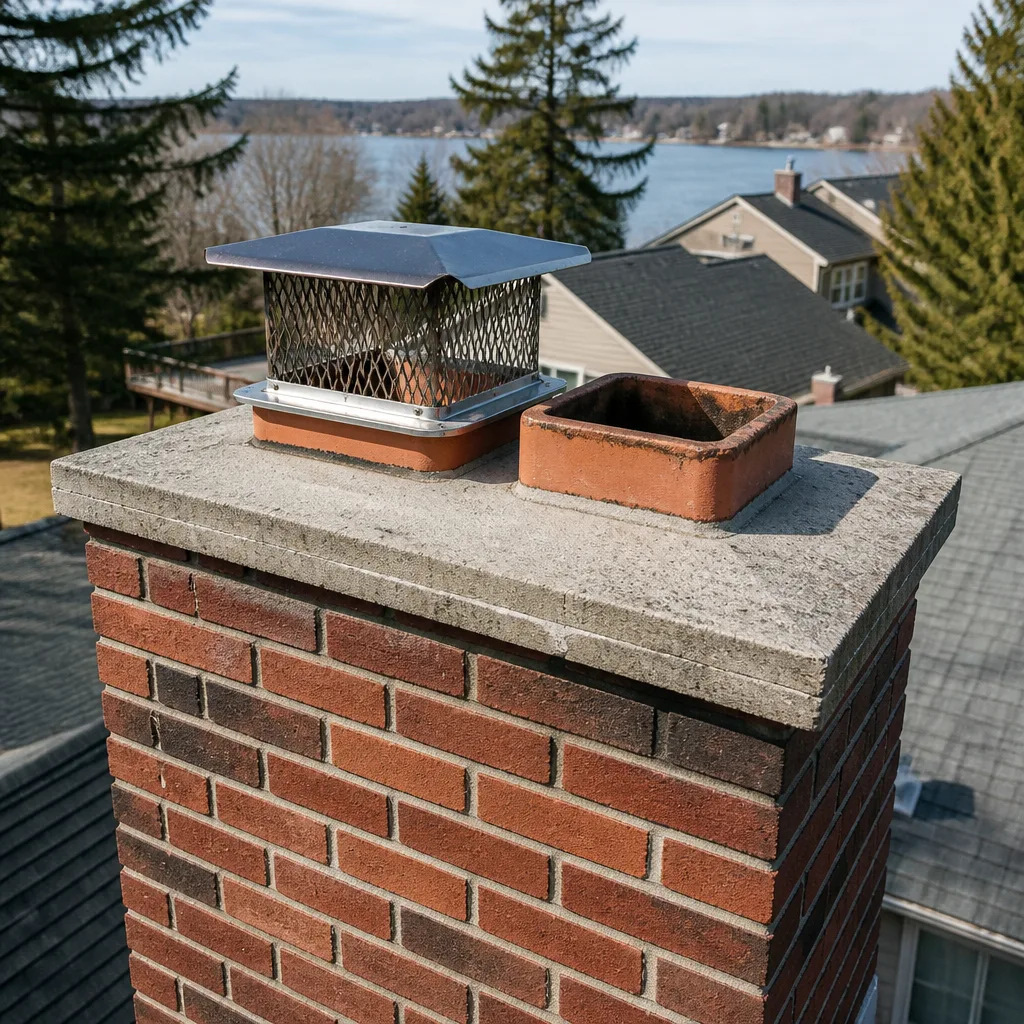 Sweep & inspection
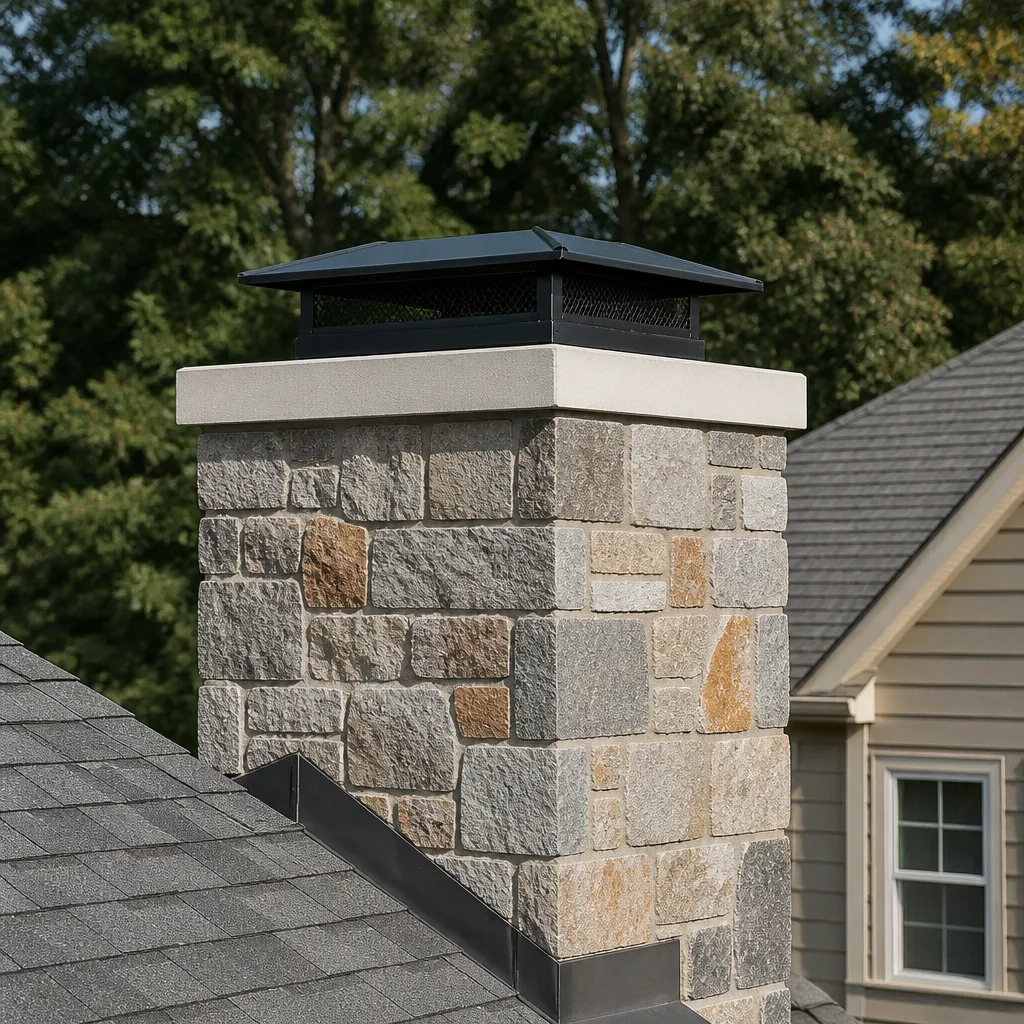 Caps & crowns
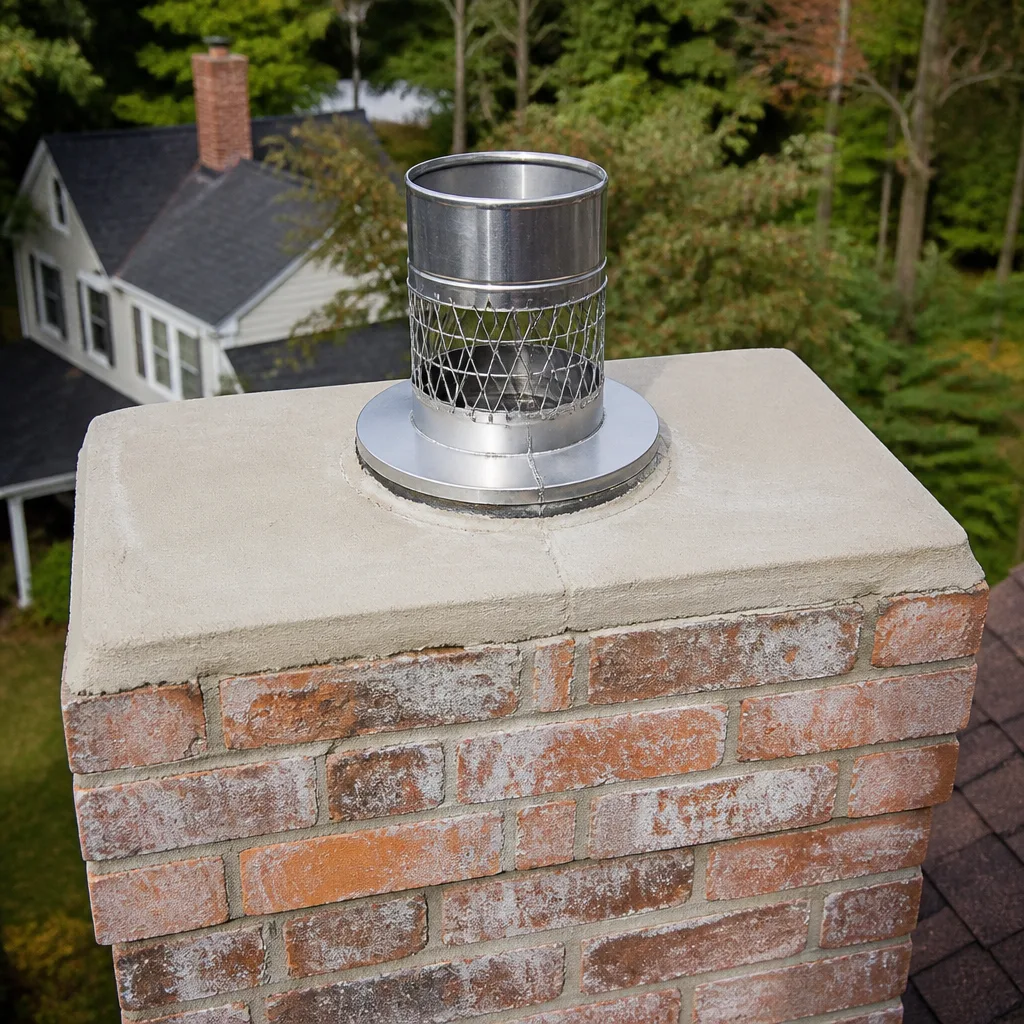 Flue relining
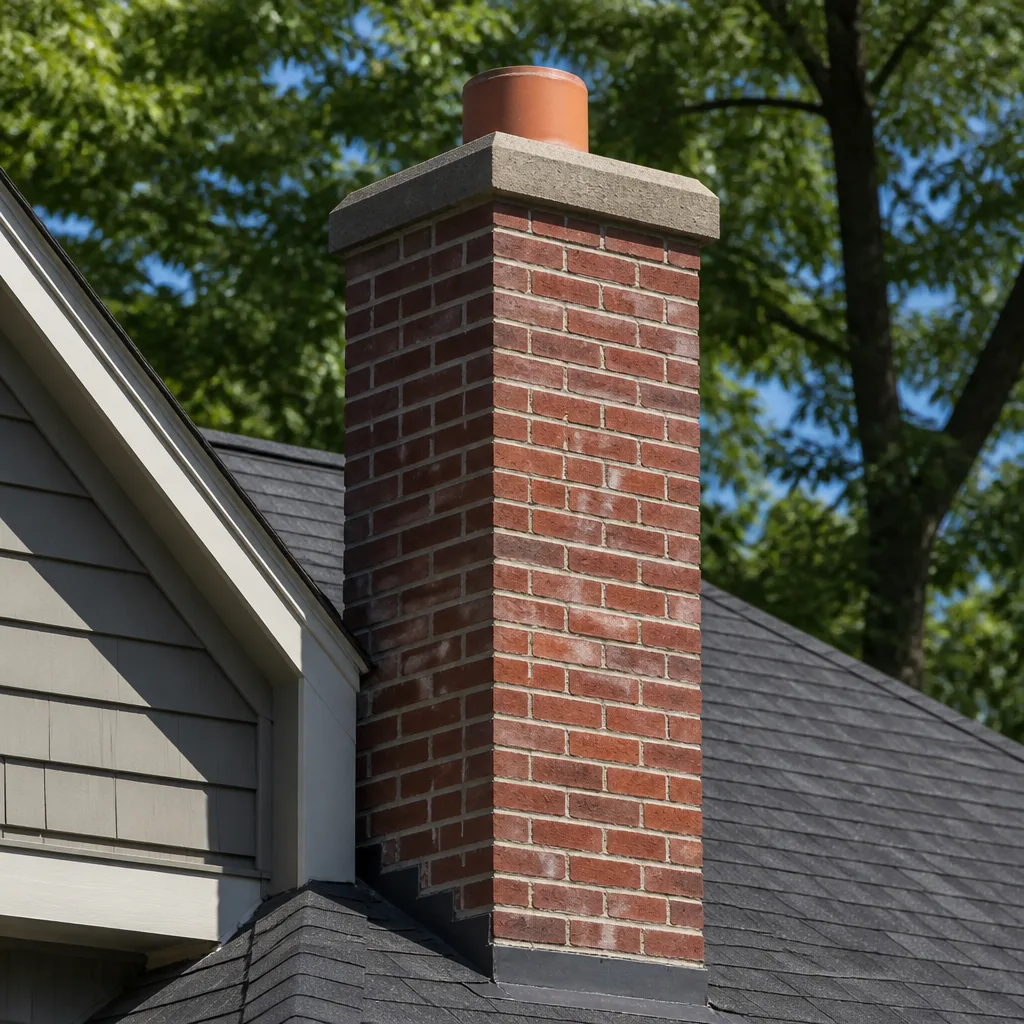 Masonry repair
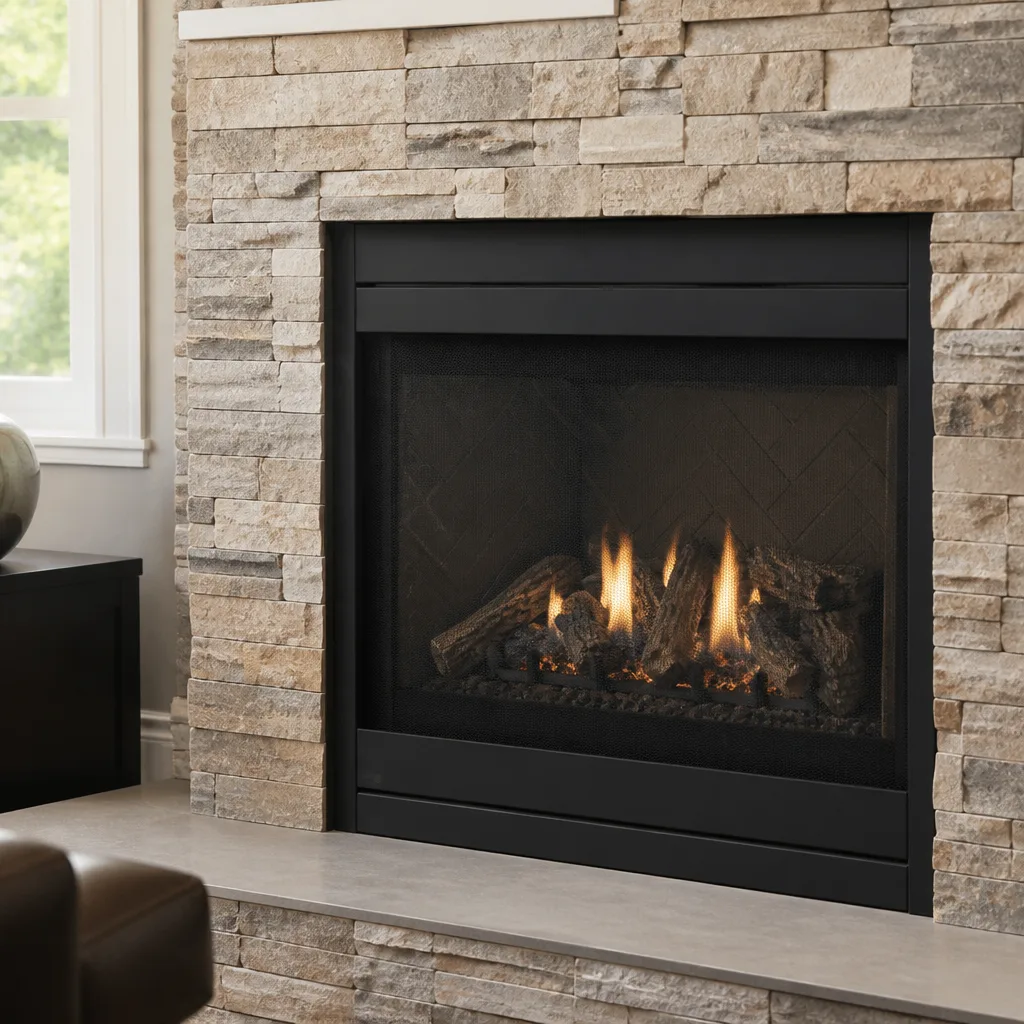 Gas fireplace service
Level 1 sweep and inspection to the NFPA 211 annual standard - flue, crown, cap, and flashing checked and photographed
Chimney sweep logs do not sweep chimneys. They loosen some creosote - which then falls where a brush and vacuum still have to collect it.
How to Hire a Chimney Cleaning Contractor in Tallahassee: A Step-by-Step Guide
Most homeowners assume the person advertising chimney cleaning has some kind of license to do it. In Florida, there isn’t one. No state license exists specifically for chimney sweeping, which means anyone who buys a brush and prints a business card can legally market themselves as a chimney professional in Tallahassee. That’s the honest starting point, and it changes how you should shop. Credentials in this trade come from voluntary certification bodies, not from the state, so verifying them is entirely on you. This guide gives you a vetting framework you can use before the first phone call, so you can disqualify the wrong operators early and hire someone whose work you can actually trust.
Quick Answer
Hiring a chimney cleaning contractor in Tallahassee means verifying certification directly with the issuing body (CSIA or NFI), asking which professional-grade brands they work with, and refusing any quote given without an on-site inspection. A legitimate specialist inspects before quoting, documents findings in writing, and never prices a job blind over the phone. If a contractor can’t tell you their certification number or what materials they use, that’s your answer.
Styles & brands we work with
- Sweep & inspection
- Caps & crowns
- Flue relining
- Masonry repair
- Gas fireplace service
Table of Contents
- Why Florida Has No Chimney Sweep License
- The Certifications That Actually Matter (and How to Verify Them)
- Questions That Separate Specialists From Generalists
- Red Flags in a Chimney Cleaning Quote
- Why Sourcing Supplies Mid-Job Is a Liability Problem
- How to Read a Chimney Inspection Report
- A Step-by-Step Hiring Walkthrough
- The Tallahassee Market: Generalists vs. Specialists
Why Florida Has No Chimney Sweep License
Florida does not issue a chimney sweep license. There’s no state exam, no state registry, and no state agency that checks whether the person on your roof understands flue dynamics or just owns a vacuum. Roofing, plumbing, and electrical work are licensed here. Chimney sweeping is not. That gap is worth sitting with for a moment, because it explains almost everything about how this market works.
What fills the gap is certification from independent trade bodies. The two that matter are the Chimney Safety Institute of America (CSIA) and the National Fireplace Institute (NFI). A CSIA-certified sweep has passed a proctored exam, agreed to a code of ethics, and holds current certification that can be checked in a public database. NFI certification goes deeper into hearth appliance installation and venting. Neither is required by law in Tallahassee. Both are the closest thing this trade has to a real credential.
The consequence is a market split into three rough groups:
- Certified chimney specialists who do this work exclusively, hold current certification, and carry proper insurance.
- General handymen who add chimney cleaning as a side line to gutter work, pressure washing, and small repairs.
- Out-of-scope operators who advertise chimney service but are really selling duct cleaning, air-duct sanitizing, or a “full home air quality package” that has nothing to do with your flue.
In a warm-weather city like Tallahassee, fireplaces get used lightly and often neglected for years, so demand is thin and the specialist pool is small. That scarcity is exactly why generalists drift in to fill it. Knowing this going in keeps you from assuming that a chimney company truck in a driveway means a chimney specialist showed up.
The Certifications That Actually Matter (and How to Verify Them)
Certification is only useful if you confirm it yourself. Plenty of contractors describe themselves as “certified” without saying by whom, and that word means nothing until you can trace it to an issuing organization. Verification is free and takes a few minutes.
How to verify a chimney sweep’s certification
- Ask for the certification body by name. A real credential has an issuer: CSIA or NFI. “Certified” alone is not an answer.
- Ask for the certification number or the name as it appears in the registry. Certification records are tied to a person, not a company, so ask for the individual who will actually be in your home.
- Look them up yourself. Both CSIA and NFI maintain searchable online directories. Check the number against the name.
- Confirm the certification is current. These credentials require renewal and continuing education. An expired certification is not a certification.
- Ask whether the company carries liability insurance. Ask for a certificate of insurance before work starts. Any legitimate operation will provide one without hesitation.
If a contractor gets defensive at step two, you’ve learned something important. Certification questions aren’t hostile. Every professional in this trade answers them routinely, because they know the state doesn’t screen for them.
What certification does and doesn’t prove
Certification tells you the person has been tested on chimney fundamentals, safety codes, and inspection standards. It doesn’t guarantee a quality job, but it sets a floor. When generalists start guessing at flue clearances or liner requirements, certified specialists know the standards behind the answers. That difference shows up in what they find, what they recommend, and what they tell you can safely wait.
Questions That Separate Specialists From Generalists
You can tell a lot in the first five minutes of a phone call. Specialists answer product and code questions without hesitation because those questions are the core of their work. Generalists hedge, generalize, or change the subject. Here’s what to ask, and what a good answer sounds like.
- “What brands and materials do you work with?” Listen for recognized professional-grade lines rather than “whatever the supply house has.” Specialists work with a consistent set of industry brands – DuraFlex for flexible stainless liners, HeatShield for ceramic resurfacing, Gelco and Famco for caps and venting, Olympia Chimney and Copperfield for related components. They know these products because they install them repeatedly.
- “Do you sweep, inspect, and repair, or just sweep?” If they only sweep, you’ll be coordinating three contractors for one system. That’s a real problem when the sweep finds damage and hands you off.
- “What’s in your inspection report?” This is the tell. A real answer describes documented photos, written findings, and a formal record of system condition. A weak answer describes “telling you what I see.”
- “How do you determine what needs repair?” The right answer is camera evidence. Nothing gets recommended that you haven’t seen yourself.
- “Are you certified, and by whom?” You already know the follow-up: verify it.
- “Is the liner a DIY job?” Any answer other than no is disqualifying. Flue liners sit against combustion byproducts and must be installed to specific clearances and standards.
We’ve watched homeowners in Tallahassee get burned by the two-contractor shuffle: a sweep who only sweeps, a “repair guy” who turns out to be a handyman with a caulk gun, and a third estimator for the liner. One company that handles all three disciplines removes that problem entirely. Sweep, repair, and inspect in-house isn’t a marketing line. It’s the thing that keeps responsibility for your chimney in one place.
Red Flags in a Chimney Cleaning Quote
The single biggest red flag is a price quoted before anyone has seen the chimney. A phone estimate is a guess dressed up as a number, and it usually exists to get someone through the door. Here’s what to watch for.
- Unusually low pricing for a “full cleaning.” Sweeping is unglamorous labor. When a price is far below everyone else’s, something has been dropped from scope – typically inspection, or a proper camera check of the flue. That’s the part you actually need.
- A firm quote given over the phone, sight unseen. Serious operators inspect first and price from what they find.
- Pressure to decide on the spot, or escalation to major repairs mid-visit. A liner or resurfacing recommendation should follow documented evidence and a written scope, not a hard sell on your kitchen floor.
- Vague answers about materials. If they can’t name the brands they install, they’re probably buying from the nearest big-box store when a job comes up.
- “Certified” with no issuer. Certification without a body name is a marketing word, not a credential.
- Recommending repairs before inspecting. Anything can wait that hasn’t been inspected yet. If you’re told you need thousands of dollars in liner work on the strength of a glance from the hearth, get a second look.
- No written estimate. The final price should be set by a written estimate you can read and compare before anything starts.
One more red flag specific to warm-climate markets: chimney work bundled into a duct-cleaning offer. They’re different systems with different standards. A company selling both as a package is telling you which one they take seriously.
Why Sourcing Supplies Mid-Job Is a Liability Problem
When a contractor outsources materials from a hardware store in the middle of a job, three problems show up at once: consistency, quality, and liability. All three land on you eventually.
Consistency. A crew that buys supplies per job gets a different product each time, whichever store is closest or whatever’s on the shelf. Two identical repairs on two houses get two different liners. That’s not a market problem, it’s a traceability problem: nobody can tell you exactly what’s inside your flue after the fact.
Quality. Professional-grade liners and caps are designed for the conditions chimney systems actually see – heat, creosote, condensate, and constant thermal cycling. General hardware-store substitutes are not specified for those conditions. If a flexible line is being fitted into a flue, it should be a proper stainless system. DuraFlex is the line professionals reach for because it’s built to go in and stay put, with the fittings to match.
Liability. This is the one nobody thinks about. If a contractor picks up parts mid-job, there’s no manufacturer relationship, no specified installation method, and no clear chain of responsibility if the part fails. The installer’s advice stops where the receipt begins. When a specialist works with a fixed portfolio of brands, that chain stays intact from product spec to installation.
We work exclusively with professional-grade brands – DuraFlex and HeatShield for the structural work, Gelco and Famco for caps and venting – because that’s how these systems are meant to be put together. Your flue liner is not a DIY project, and the materials shouldn’t be an improvisation either.
How to Read a Chimney Inspection Report
A chimney inspection should produce a document, not a verbal summary. The difference matters most when you’re buying a home, filing for insurance, or trying to decide whether a repair can wait. Here’s what a professional write-up looks like.
What a proper report includes
- Photos of every component inspected. Flue interior, firebox, damper, smoke chamber, cap, crown, and the visible exterior. If it was looked at, it was photographed.
- A description of condition, not a verdict. “Moderate glazed creosote on the upper flue” tells you what’s there. “Needs work” tells you nothing.
- Clear separation between findings and recommendations. First what was observed, then what’s recommended, then why.
- Line-item scope and written estimate for anything recommended. The estimate sets the final price, and you should be able to hold it next to the photos.
- Camera evidence for any liner or masonry recommendation. If a repair is proposed, there should be imagery of the actual defect.
- A record you can file. Inspection documentation is useful for real estate transactions, insurance, and your own maintenance history.
What a vague report looks like
One paragraph. No photos. The word “clean” with no detail on what was checked. Recommendations delivered verbally, priced on the spot, with no connection between the finding and the evidence. If that’s what you get, you didn’t get an inspection. You got a visit.
The safest way to read any report is to ask the inspector to show you the photos themselves and walk through what the camera found. Nothing is recommended without evidence you can see. When work can safely wait, a straightforward specialist says so.
A Step-by-Step Hiring Walkthrough
Here’s the sequence we’d follow ourselves, from first search to signed estimate.
- Search for chimney specialists, not “chimney cleaning near me.” Terms that suggest a full-service chimney company filter out the generalists. Look for a business whose entire focus is chimneys.
- Check certification first. Verify CSIA or NFI certification with the issuing body before you call. This single step removes most of the weak candidates.
- Ask the brand question. “What materials do you work with?” A specialist names real industry products. A generalist names a hardware store.
- Confirm the full scope. Sweep, inspect, and repair together means one company, one inspection standard, one point of responsibility.
- Book an inspection, not just a cleaning. A proper inspection comes with photos and a written record. The sweep is what happens along the way.
- Read the report, then the estimate. Findings first, recommendations second, written estimate to set the price.
- Ask what can wait. A specialist will tell you which items are urgent and which can sit until next season. Get that in writing too.
For homeowners who want to start at the top of the funnel, our Tallahassee Chimney Sweep page covers the basics of scheduling and what to expect. From there, the chimney repair and chimney sweep pages lay out each service line in more detail.
The Tallahassee Market: Generalists vs. Specialists
Tallahassee is a mid-size metro surrounded by older residential neighborhoods and a steady supply of handymen. The ratio of generalists advertising chimney services to actual certified specialists is high here, and the mild climate is part of the reason. Fireplaces get used lightly. Chimneys sit unattended for years. Demand stays spread thin, so people who own a brush pick it up as a side job, and homeowners who’ve never had an inspection don’t know what they’re missing.
That’s normal in a warm-weather market, but it means the vetting work is yours. A few things worth knowing as you hire in Tallahassee:
- Chimneys here still need inspection, even with light use. Soot, creosote, and debris accumulate on their own schedule, and a flue that hasn’t been looked at in several years can have a damaged liner without any obvious symptoms.
- Buying a house with a fireplace is a common trigger. If you’re new to a home with a wood-burning or gas fireplace, an inspection gives you a documented starting point.
- Pest and debris activity is a real issue in North Florida. Caps and venting components keep birds and debris out. Gelco and Famco caps are a properly fitted fix, not improvised hardware.
- Homeowner supply stores are not the standard here. It’s easy to walk into a hardware store and pick up a liner that looks close enough. It isn’t.
Our technicians have up to 14 years of experience across sweeping, repair, and inspection. That experience is built on looking at flues, not guessing at them. If you’re trying to figure out who to call in this market, the vetting framework above will point you toward the people who treat this work as a discipline. Our Tallahassee coverage page ties the local picture together.
Common Mistakes to Avoid
- Hiring on price alone. The lowest bid is often a throwaway number from a generalist who hasn’t seen the job. Cheapest usually means something was dropped from scope.
- Taking “certified” at face value. Florida doesn’t check certifications. If you don’t verify through CSIA or NFI, nobody does. Ask for the issuer and the number, and look it up.
- Skipping the inspection and booking only a sweep. A sweep without an inspection misses the flue interior entirely. In Tallahassee, where chimneys sit idle for long stretches, the inspection is the half that matters.
- Accepting a rep recommendation without camera evidence. If you can’t see the defect in a photo, don’t approve the repair. It’s that simple.
- Coordinating three contractors for one system. A sweep who hands you off to a repair guy who hands you off to an estimator means nobody owns the outcome. One specialist across all three disciplines is the safer structure.
- Treating the liner as a weekend project. Flue liners and flexible stainless systems are not DIY work. They require proper clearances and installation to standards, and improper installation creates a hazard.
- Ignoring the report after you get it. File it. Insurance, real estate transactions, and your own maintenance history all benefit from a documented condition record.
See the difference
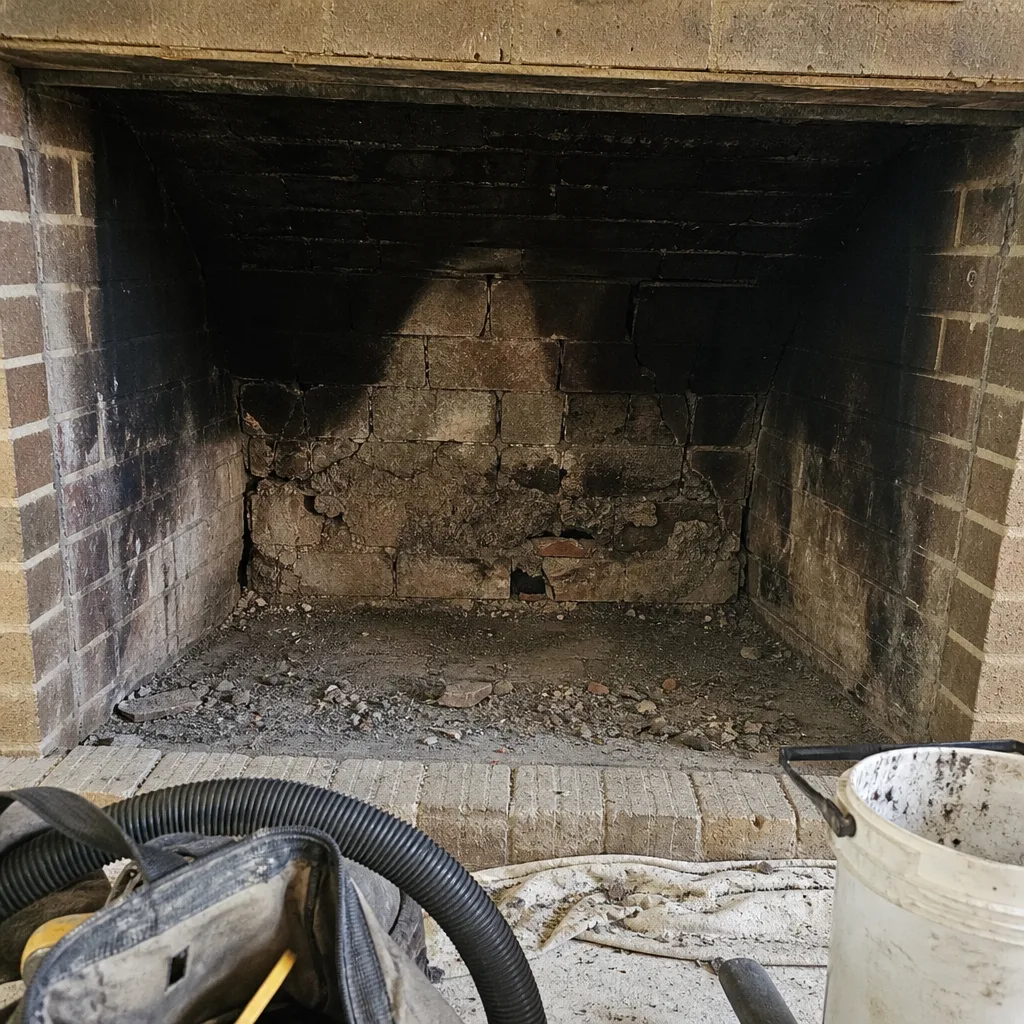 Before
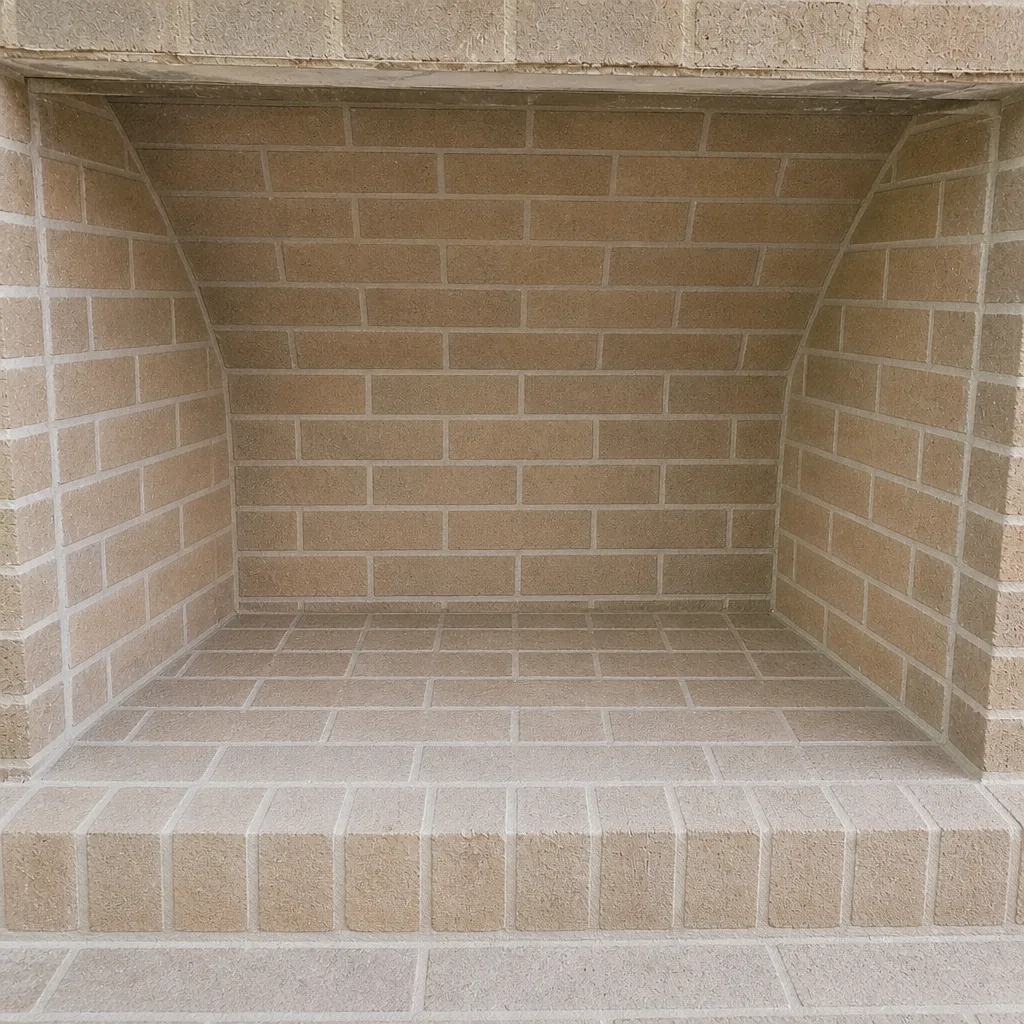 After
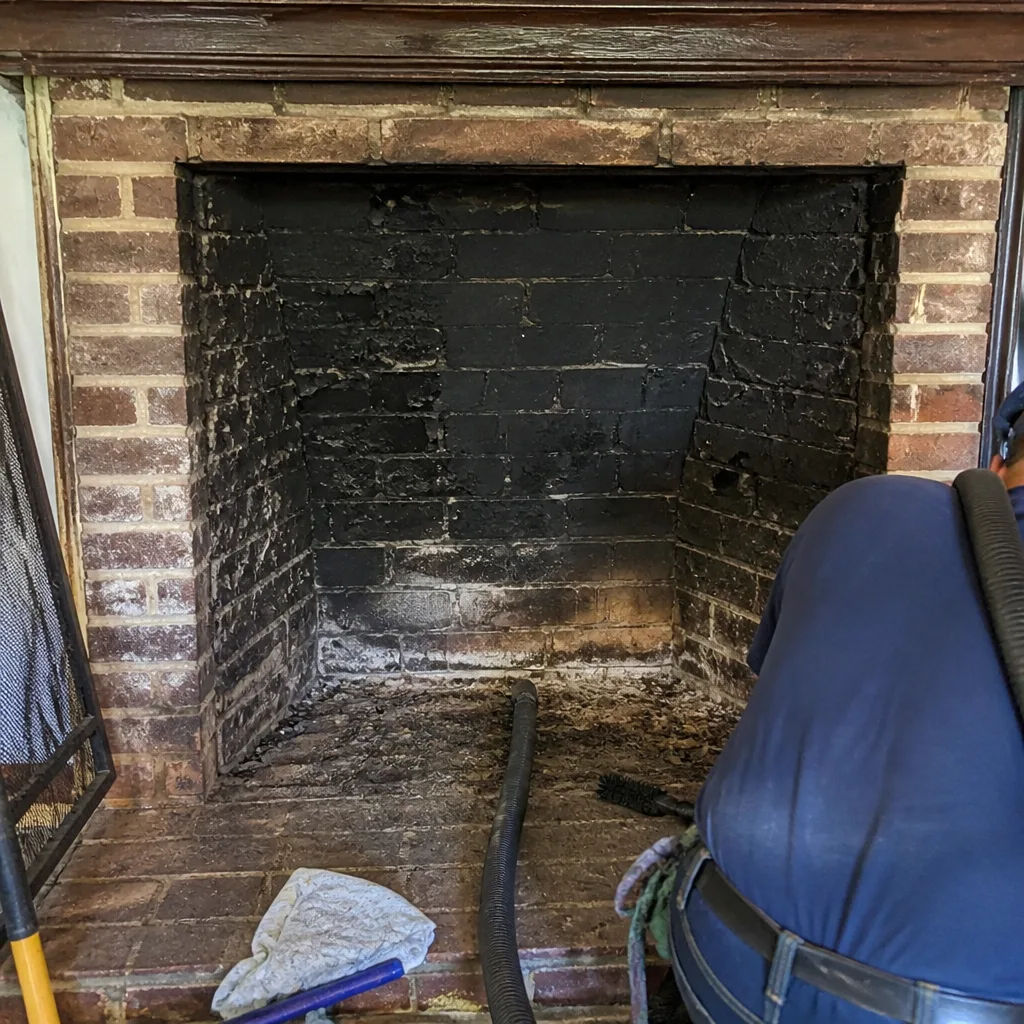
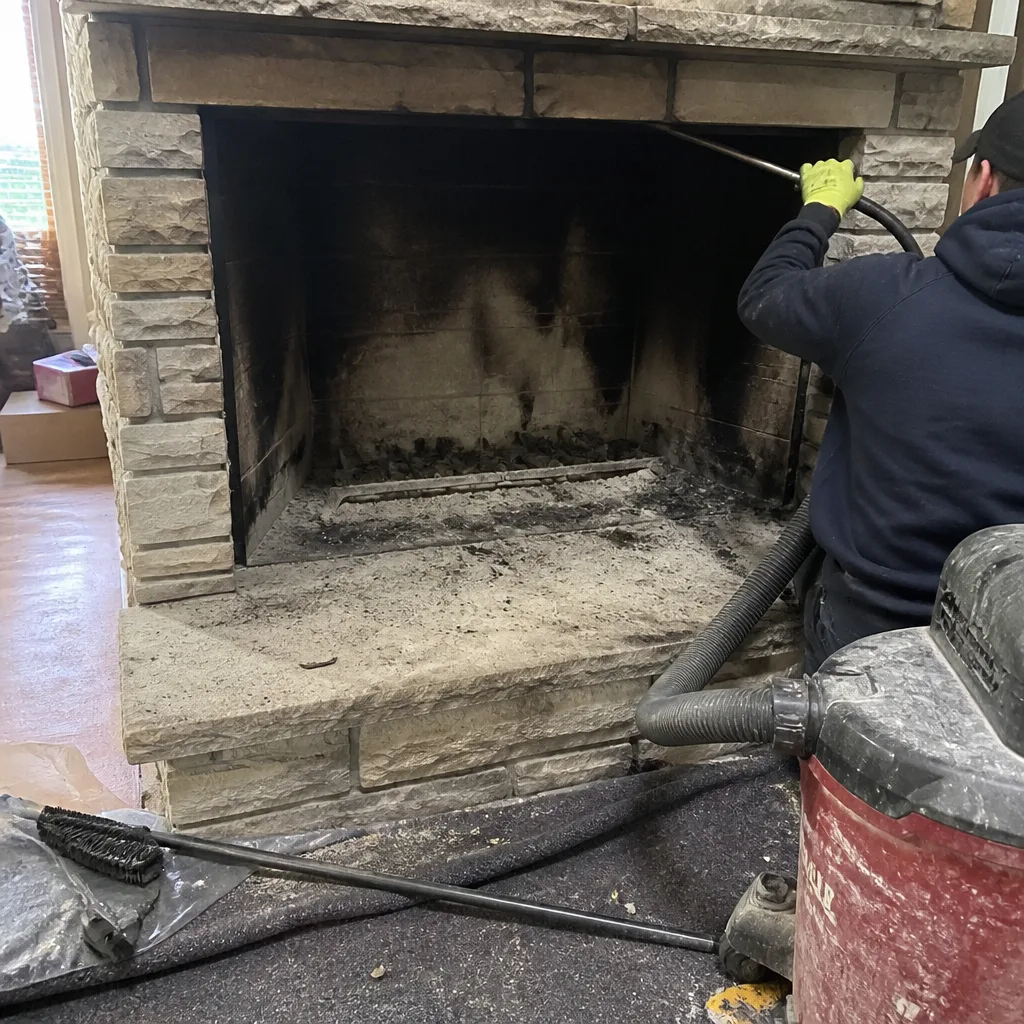 Before
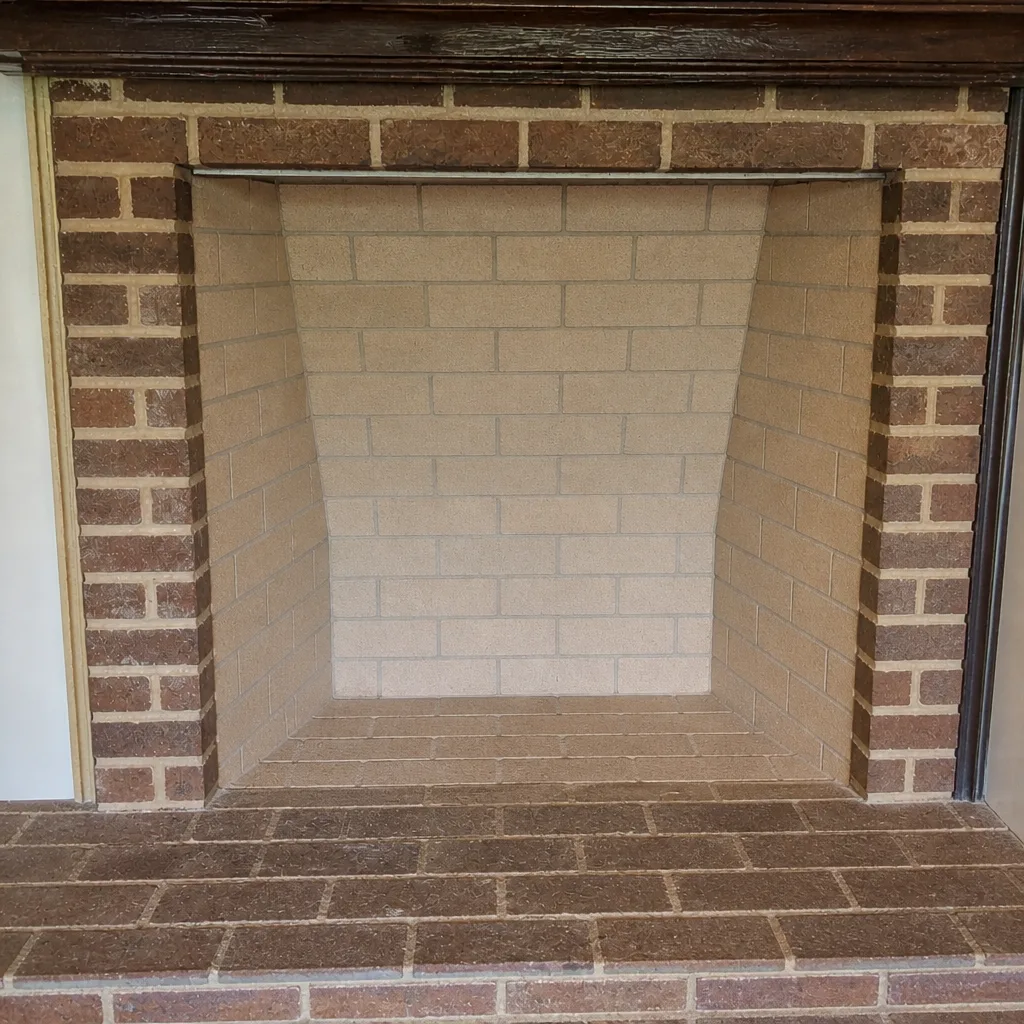
 After
 Before
 After
When to Call a Professional
Some chimney situations call for a scheduled inspection, and some call for attention sooner. Call a professional when you’ve moved into a home with a fireplace you’ve never had inspected, when it’s been several years since the last look at the flue, or when you notice smoke spilling into the room, a persistent odor, or visible deterioration on the firebox, crown, or cap. These are the signals that something needs to be seen up close, not diagnosed from the couch. Safety is a real reason to act – chimney fires and carbon monoxide risk are tied to poorly maintained or damaged venting – but not every concern turns out to be urgent. Part of a proper inspection is telling you plainly what can wait.
Tallahassee Chimney Sweep offers free estimates in Tallahassee – call (855) 904-4110. We answer 24/7. Fast dispatch from 7am to 7pm, Sunday through Friday. Skip a step and see what an inspection actually turns up.
Frequently Asked Questions
A wood-burning chimney should generally be inspected once a year, with sweeping when the inspection shows creosote buildup or obstruction. In Tallahassee’s light-use climate, the annual inspection matters more than a fixed sweeping schedule. Light use doesn’t mean no maintenance – soot and debris accumulate whether or not the fireplace runs often. If you’ve recently bought a home with a fireplace, start with an inspection regardless of what a previous owner told you. Call (855) 904-4110 for an exact quote on an inspection – estimates are free.
No. Florida doesn’t issue a specific license for chimney sweeping. The credential that matters is voluntary certification from the Chimney Safety Institute of America (CSIA) or the National Fireplace Institute (NFI), and it’s on you to verify it through the issuing body. Any contractor who won’t give you an issuer name and number is one to skip. Call (855) 904-4110 for an exact quote – estimates are free.
Only if the inspection shows the existing liner is compromised – cracks, gaps, deterioration, or an improper flue material – and the recommendation is backed by camera evidence you can see. A liner isn’t something to replace on a guess. If the flue interior is sound, there’s no reason to touch it. Ask to see the photos before you approve anything. Call (855) 904-4110 for an exact quote – estimates are free.
You lose the ability to catch a damaged liner, cracked crown, or blocked flue before it becomes a bigger problem. Creosote buildup and blockages are tied to chimney fires, and a compromised flue can let combustion gases into the home, including carbon monoxide. That’s the accurate risk – no scare tactics needed. A documented annual inspection is how you catch these things while they’re still small. Call (855) 904-4110 for an exact quote – estimates are free.
We set the price per job from a written estimate after inspecting the chimney, because a sweep without an inspection misses the flue interior and a blind phone quote misses the actual condition. The estimate is free, and the written estimate sets the final price – no surprises after the work starts. Are you in Tallahassee proper, or just outside the city? Either way, call (855) 904-4110 for an exact quote – estimates are free.
Ask four things: who certified them and can you verify it, what brands and materials they install, whether they handle sweep, inspection, and repair in-house, and what their inspection report includes. A specialist answers all four without hesitation. A generalist usually stumbles on at least two. Call (855) 904-4110 for an exact quote – estimates are free.
The Bottom Line
Hiring a chimney contractor in a state with no chimney license comes down to verification. Check CSIA or NFI certification yourself, not the word “certified.” Ask what brands they work with, because the answer tells you whether you’re getting a specialist or a supply run. Confirm they handle sweeping, inspection, and repair together so responsibility stays with one company, and refuse any repair recommendation that doesn’t come with camera evidence. Read the report before the estimate, and ask what can wait. Do those three things in that order and the generalists disqualify themselves before you’ve wasted a visit.
We do all three disciplines in-house – sweep, inspect, repair – with the same professional-grade brands on every job. Our technicians have up to 14 years of experience, and the written estimate sets the price. Call (855) 904-4110 for a free estimate. We answer 24/7. Fast dispatch from 7am to 7pm, Sunday through Friday.
Written by the team at Tallahassee Chimney Sweep.