
Last updated November 15, 2026
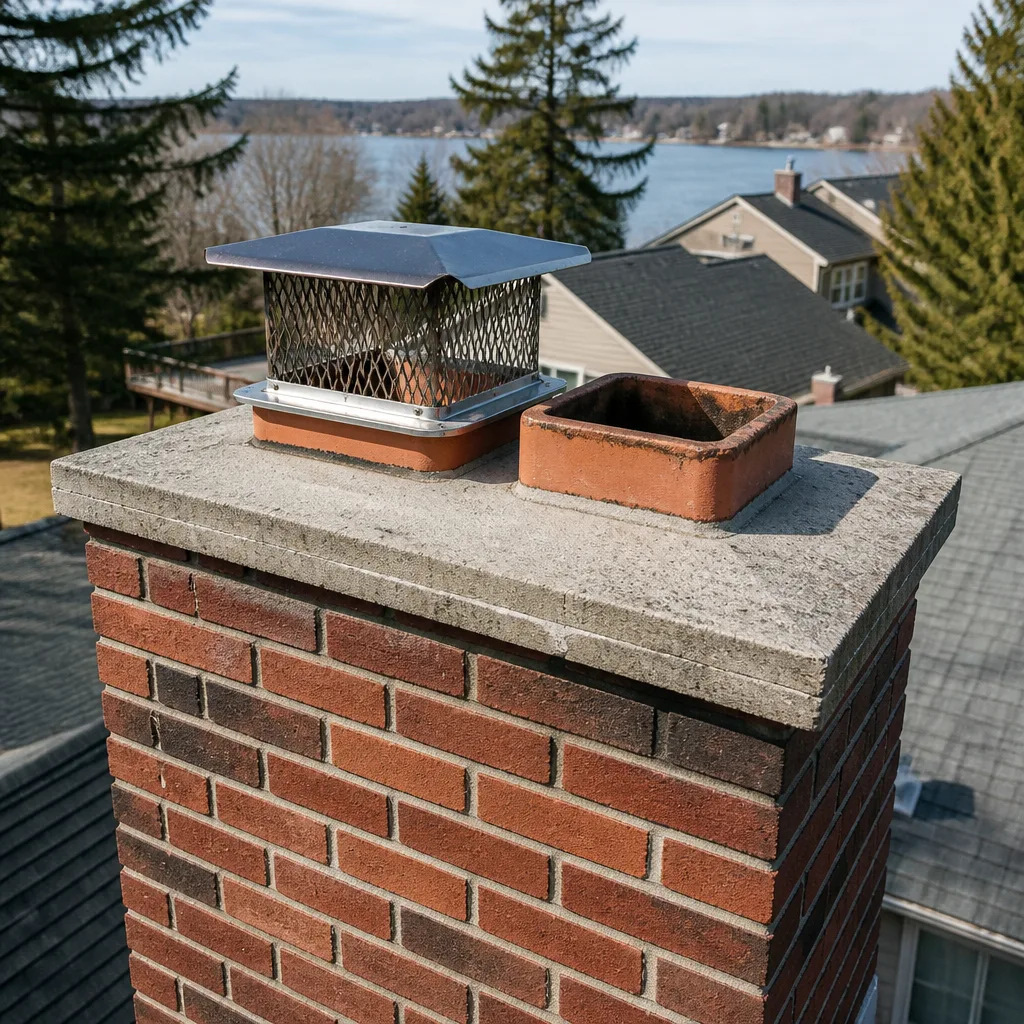 Sweep & inspection
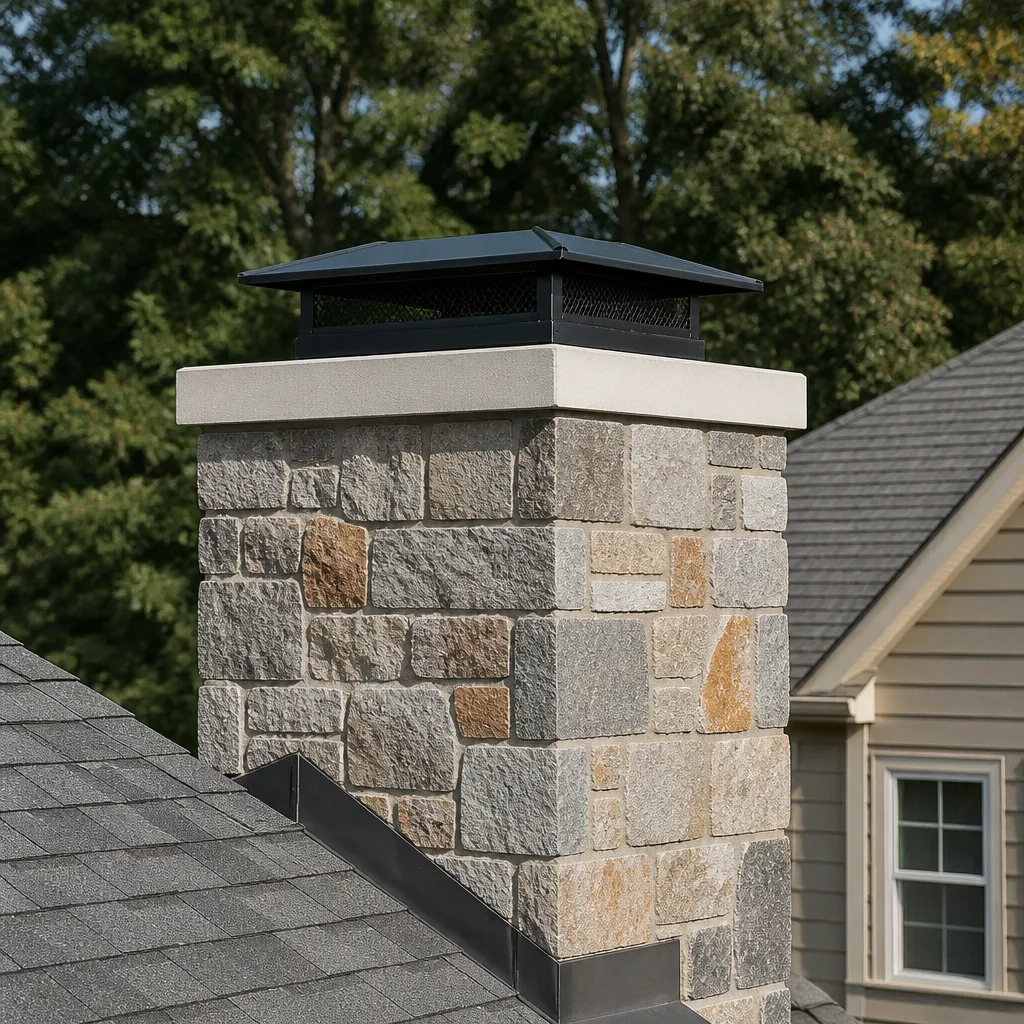 Caps & crowns
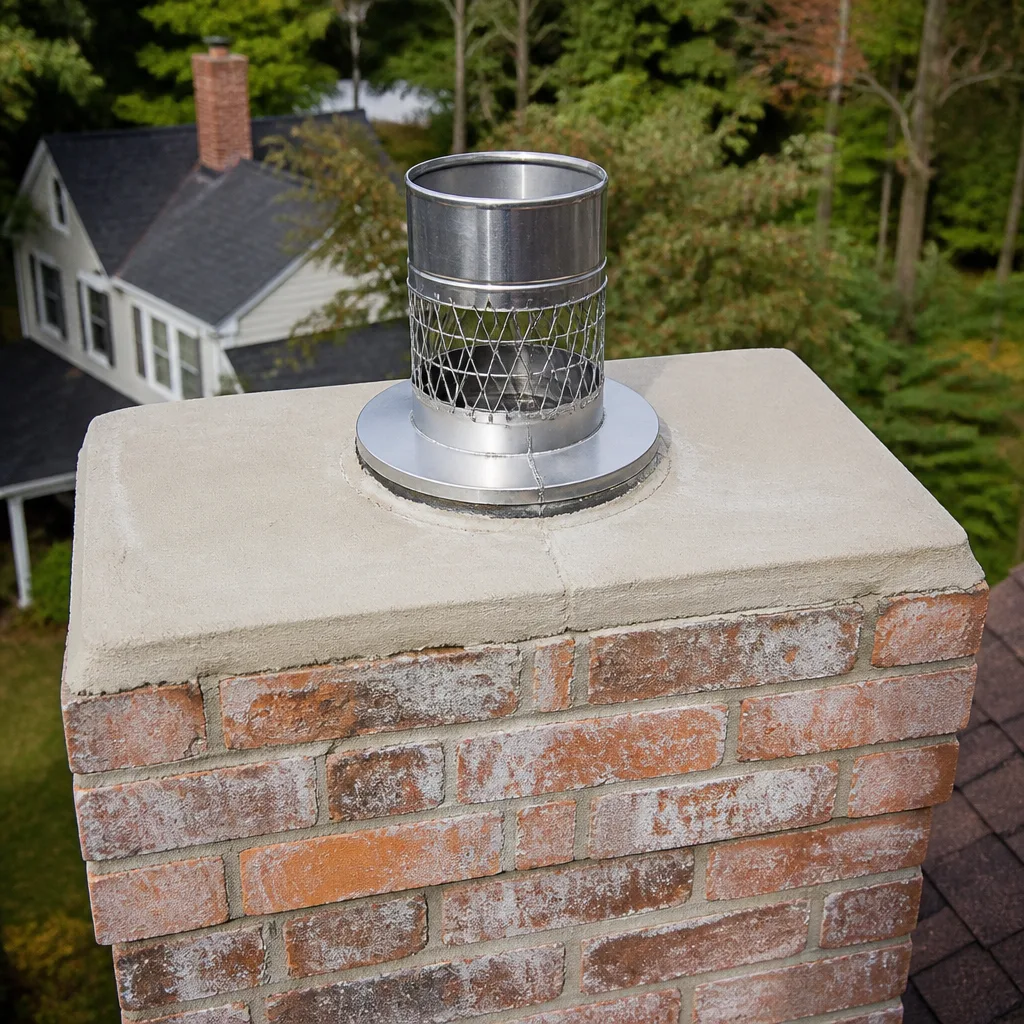 Flue relining
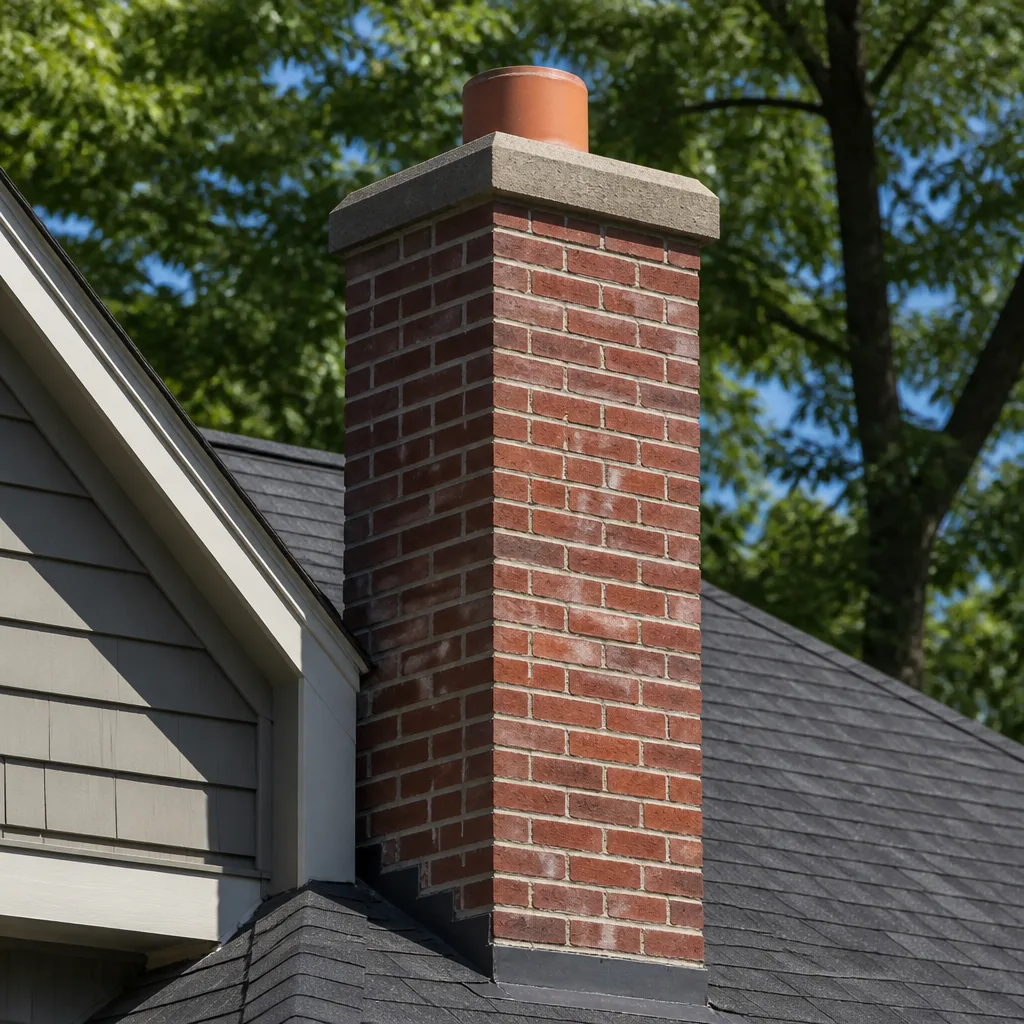 Masonry repair
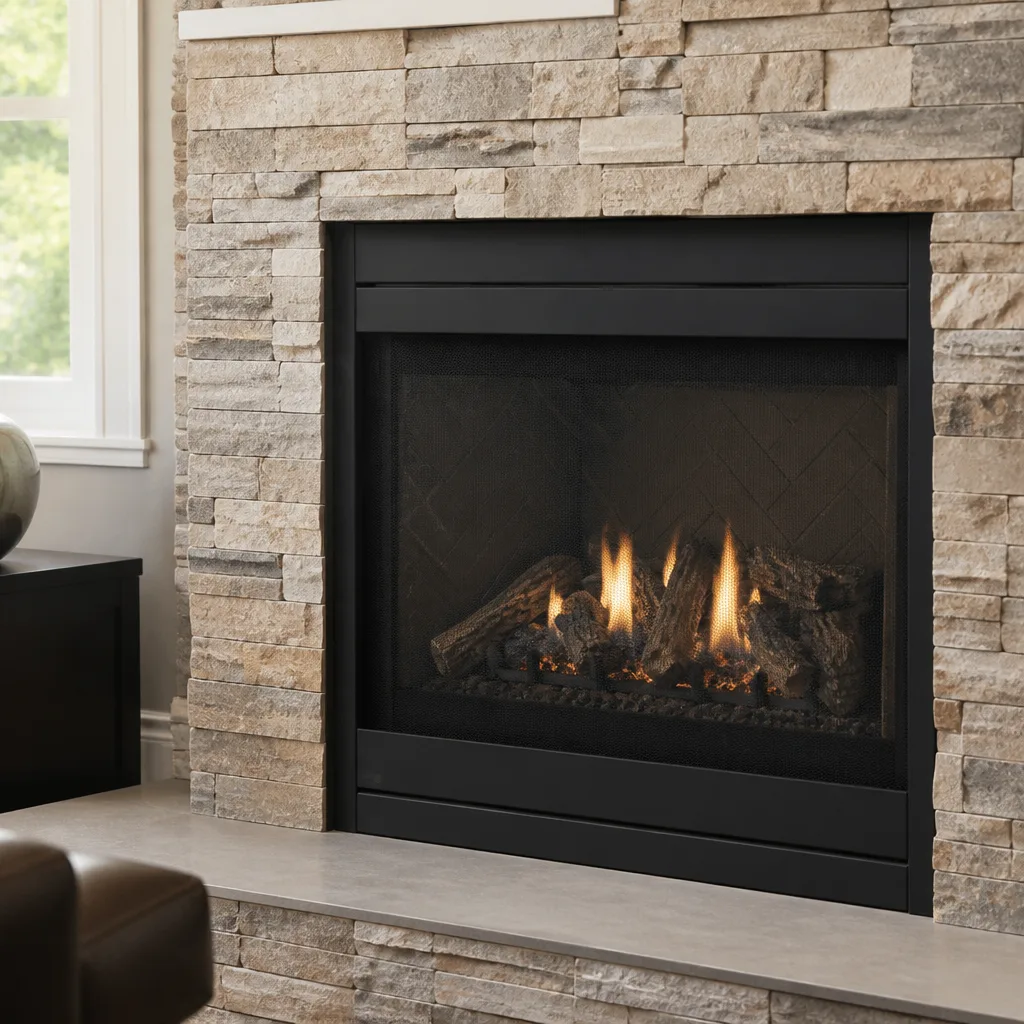 Gas fireplace service
Level 1 sweep and inspection to the NFPA 211 annual standard - flue, crown, cap, and flashing checked and photographed
Chimney sweep logs do not sweep chimneys. They loosen some creosote - which then falls where a brush and vacuum still have to collect it.
Seasonal Chimney Cleaning Care for Tallahassee: Year-Round Homeowner’s Guide
Scheduling your chimney sweep in March makes sense in Minnesota. In Tallahassee, it means your chimney sits through eight months of humidity, nesting season, and hurricane activity with no one checking it before you light your first fire in December. Most chimney care calendars are written for cold climates with long winters and short summers. Ours runs the other way: a short burning season and a long, wet off-season that does more to your flue than any fire ever will. This guide walks through what actually happens to a Tallahassee chimney across the year, why late summer and early fall are the right time to book, and what to check in between.
Quick Answer
In Tallahassee, the best time to schedule chimney cleaning is late summer through early fall, roughly August into October – after nesting season ends and before the first fire of the year. Spring sweeping, the standard advice in cold climates, leaves your flue unchecked through the wettest, most humid months and the height of storm season. A yearly inspection and sweep in that late-summer window keeps creosote, moisture, and animal debris from compounding before you burn.
Styles & brands we work with
- Sweep & inspection
- Caps & crowns
- Flue relining
- Masonry repair
- Gas fireplace service
Table of Contents
- Why Tallahassee’s Chimney Calendar Is Different
- Why August to October Is the Optimal Service Window
- How Florida’s Rainy Season Creates Moisture Problems
- Bird and Animal Nesting: Species, Timing, and Legal Constraints
- What Summer Thunderstorms Do to Crowns and Flashing
- Maintaining Airflow and Preventing Mold in the Humid Off-Season
- A Year-Round Maintenance Checklist for Tallahassee Homes
- Signs Your Chimney Needs Attention Before Burning Season
Why Tallahassee’s Chimney Calendar Is Different
Chimney care advice is almost always written for a climate with a long heating season and a short, dry summer. That advice travels badly to north Florida. Here the burning season is short – most households light fires from December into February, and only on the handful of genuinely cold nights in between. The off-season, by contrast, is long, hot, and wet. That flips the logic of when to service a chimney.
In a cold climate, spring sweeping clears out a winter’s worth of creosote and gives the chimney the dry summer months to air out. In Tallahassee, a spring sweep means the flue then sits through the rainy season, the most humid stretch of the year, and the peak of hurricane season with nothing checking it again. Any moisture problem that develops in June goes unnoticed until December, when it’s discovered by a smoky fire or a smell in the living room.
The other factor is that Tallahassee chimneys deal with things cold-climate guides barely mention: heavy rain driven sideways by thunderstorms, animal nesting during a long warm season, and humidity that keeps a masonry chimney damp for months. Creosote is only part of the picture. Moisture, debris, and blocked airflow matter just as much here, and they all get worse during the off-season, not during it.
So the Tallahassee calendar puts the service visit at the end of the off-season, not the beginning. You want the chimney inspected and swept as close to the first fire as practical, so the condition you confirm is the condition you burn in. If you’re new to the area or have just bought a home, it helps to start with a proper chimney sweep and inspection before you rely on the fireplace at all.
Why August to October Is the Optimal Service Window
Late summer into early fall is the sweet spot for chimney service in Tallahassee, and the reasons are practical rather than arbitrary. By August, nesting season is winding down and young birds have fledged. By October, the rainy season has typically eased. Booking in that window means the sweep happens after the season that fills flues with debris and before the season you actually burn.
Here’s how the timing breaks down:
- Nesting season ends. Birds and small mammals that moved into an open flue in spring have usually cleared out by late summer. Sweeping after they’ve gone avoids disturbing active nests and the legal complications that come with them.
- Rainy season tapers. Florida’s wet season runs roughly May through October. Booking toward the end of it means you’re inspecting after the heaviest moisture exposure, not before it.
- Storm season peaks and passes. Hurricane season runs June through November. A late-summer or early-fall inspection catches any crown or flashing damage from summer storms before the first fire.
- You beat the cold-weather rush. When the first genuinely cold night arrives in Tallahassee, everyone with a fireplace wants service at once. Booking in August or September means your chimney is ready before that scramble.
- The inspection matches the burning condition. What you confirm in September is what you burn in December, with no wet months in between to undo the work.
If you can only remember one thing from this guide, make it this: in Tallahassee, the chimney’s hardest season is summer, not winter. Service it after summer, before winter.
How Florida’s Rainy Season Creates Moisture Problems
Moisture is the quiet destroyer of chimneys in this climate. Florida’s rainy season, roughly May through October, delivers heavy, frequent rain, often driven at an angle by thunderstorms. A chimney is essentially a vertical shaft open at the top, and everything about that design invites water in if the cap and crown aren’t doing their job.
The damage compounds in predictable ways:
- Water reaches the flue. An uncapped or poorly capped flue lets rain straight down the inside, where it mixes with soot and creosote to form a corrosive, sticky mess that’s harder to sweep and rough on a metal liner.
- Masonry soaks and stays wet. Brick and mortar absorb water and, in this humidity, hold it far longer than in a dry climate. Repeated wetting and slow drying weakens mortar joints over time.
- Rust takes hold. A stainless liner, damper, or firebox component exposed to moisture can rust. Rust shortens the life of a liner and, in a bad case, compromises it.
- Interior damage follows. A persistent leak shows up as staining on the chimney breast or fireplace surround indoors, and eventually as damaged framing or ceiling near the chimney.
The fix is mostly preventive, and it starts at the top. A properly fitted cap keeps rain and animals out. A sound crown sheds water away from the masonry instead of letting it pool. Flashing sealed where the chimney meets the roof keeps water from working into the roof structure. We fit caps and venting components from professional-grade lines like Gelco and Copperfield because a cap that’s improvised or loosely fitted is exactly what lets the rainy season in. If you’ve noticed staining, a musty smell, or visible water in the firebox after storms, that’s a sign to get the chimney looked at before the problem grows.
Bird and Animal Nesting: Species, Timing, and Legal Constraints
An open chimney looks like a ready-made cavity nest to a lot of wildlife, and Tallahassee’s long warm season gives them plenty of time to use it. Birds are the most common culprits, but squirrels and other small mammals find their way in too. A nest in the flue is more than a nuisance: it blocks the flue, creates a fire hazard, and can bring parasites and droppings into the living space.
Timing matters because of the law as much as because of the animals. Many nesting birds, including several species common in this part of Florida, are protected under federal law, and it is illegal to disturb an active nest with eggs or young in it. That’s a real constraint on removal, not a formality. In practice it means:
- Check before you sweep. A sweep scheduled during active nesting can run into a protected nest, which legally can’t simply be pulled out.
- Wait out the nesters. Once the eggs have hatched and the young have fledged, the nest can be removed safely and legally.
- Cap it afterward. The permanent fix is a proper cap fitted over the flue, sized to keep animals out while letting smoke and gases through.
This is one more reason the August-to-October window works so well in Tallahassee. By late summer, most nesting has finished, so a sweep can clear whatever was built during the season without running into the legal and ethical problem of an active nest. If you hear scratching, chirping, or flapping from the chimney during spring or early summer, don’t light a fire and don’t try to flush anything out yourself – get it assessed so the removal can be timed correctly. A properly fitted cap from a line like Gelco or Olympia Chimney closes the door for good.
What Summer Thunderstorms Do to Crowns and Flashing
Summer in Tallahassee means afternoon thunderstorms and, at the peak of the season, the risk of hurricane activity. Over a single off-season, wind and driving rain put real stress on the parts of a chimney that keep water out. The crown and the flashing are where that stress shows up first.
The crown is the concrete or masonry cap at the very top of the chimney that sheds water away from the flue and the masonry below it. Hairline cracks in a crown are common and easy to overlook. Over a storm season, water works into those cracks, and in this humidity it doesn’t dry out quickly. Left alone, a cracked crown turns into a crumbling one, and water starts reaching the masonry and the flue.
The flashing is the metal seal where the chimney passes through the roof. It’s the joint most likely to fail, because it’s exposed to wind-driven rain from every direction and it moves slightly as the roof and chimney expand and contract. Lifted or deteriorated flashing lets water straight into the roof structure, and the first sign indoors is often a ceiling stain far from the chimney itself.
What a storm season typically exposes:
- Cracks in the crown that widen with each wet-and-dry cycle.
- Flashing that has pulled away, cracked, or lost its sealant.
- Loose or missing caps and spark arrestors knocked by wind.
- Debris – leaves, twigs, shingle grit – blown onto the crown or into the flue.
A late-summer inspection catches these before they become interior damage. Catching a cracked crown early means a repair; catching it late can mean rebuilding the top of the chimney. If a storm has passed through and you can see missing pieces, a tilted cap, or staining on the ceiling near the chimney, that’s worth a look from someone who inspects chimneys for a living. Our chimney repair work covers crowns, caps, flashing, and liners, and we use HeatShield ceramic resurfacing to restore a compromised flue rather than jumping straight to a full rebuild.
Maintaining Airflow and Preventing Mold in the Humid Off-Season
A fireplace that sits sealed and unused through a Tallahassee summer is a damp, dark, enclosed space, and that’s an inviting environment for mold and mildew. The smell is often the first clue – a musty, sour odor from the firebox when the weather turns. It’s not a sign the chimney is failing. It’s a sign the space hasn’t been allowed to breathe.
Airflow is the whole game here. A little routine attention through the off-season keeps the firebox and flue from going stale:
- Keep the damper position in mind. A fully sealed firebox traps humid air. Many homeowners find a slightly open damper through the humid months helps the space breathe, though it needs to be balanced against letting rain and animals in, so a proper cap matters.
- Clear out ash before summer. Old ash holds moisture and odor. Emptying the firebox at the end of the burning season gives the space a dry start.
- Check for damp after storms. If you notice water in the firebox or a sudden musty smell after heavy rain, the cap or crown may not be doing its job.
- Run a small fan nearby now and then. Moving a little air through the room helps the firebox dry out, especially in the most humid weeks.
- Get it inspected before you burn. A sweep and inspection at the end of summer clears out whatever the off-season left behind and confirms the flue is clear and dry.
Mold in a firebox is a comfort and air-quality issue, not usually a structural emergency, but it’s a symptom worth chasing. If it keeps coming back, the underlying moisture source – a missing cap, a cracked crown, failed flashing – needs fixing, not just cleaning. Our Tallahassee Chimney Sweep service handles the sweep and inspection side of this, and we’ll tell you plainly whether the moisture is a simple airflow problem or something bigger.
A Year-Round Maintenance Checklist for Tallahassee Homes
Working backward from the late-summer service window, here’s how a Tallahassee chimney’s year should go. None of this is heavy work. It’s mostly a matter of knowing what to look at and when.
Spring (March to May): Empty the firebox of ash at the end of the burning season. Do a visual look at the firebox, damper, and the cap from the ground if you can see it. This is when nesting season begins, so if you hear birds or scratching, note it and leave the nest alone until it’s clear.
Summer (June to August): Keep an eye out after storms for water in the firebox, ceiling stains, or a musty smell. Let the space breathe. Check the cap from the ground for obvious damage after any big storm. This is also when you should be booking your late-summer or early-fall appointment, before the cold-weather rush.
Late summer to early fall (August to October): This is the service window. Book a sweep and inspection so creosote, animal debris, and any storm damage are dealt with before the first fire. Address any crown, flashing, or cap issue the inspection turns up.
Burning season (December to February): Burn dry, seasoned wood. Don’t overload the fire. Keep an eye on draft and smoke, and if something changes – smoke rolling into the room, a strong smell, poor draw – stop and get it looked at rather than pushing through.
That’s the whole rhythm: clear it out in spring, watch it in summer, service it in late summer, burn it in winter. If you’d rather someone else track it, our Tallahassee inspection service documents the system’s condition formally, which is useful for your own maintenance records, for insurance, and for a real estate transaction.
Signs Your Chimney Needs Attention Before Burning Season
Most chimney problems announce themselves before they become serious, if you know what to watch for. In a Tallahassee home, where the off-season is long, the warning signs usually show up during the humid months rather than during burning. Run through this list before you light the first fire of the year:
- Smoke rolling into the room instead of drawing up the flue. This can mean a blockage, a damaged flue, or a draft problem.
- A strong, sour, or musty smell from the firebox, especially when the weather turns – often a moisture or airflow issue.
- Water or dampness in the firebox after rain, which points to a cap, crown, or flashing problem.
- Staining on the chimney breast or ceiling near the chimney, a sign water is getting in.
- Visible damage from the ground: a cracked or crumbling crown, a loose cap, missing mortar, or flashing that’s pulled away.
- Scratching, chirping, or flapping from the chimney, which means an animal or nest is in the flue.
- Heavy creosote – a thick, glossy, or flaky buildup inside the flue – which raises the risk of a chimney fire.
Any one of these is a reason to get the chimney inspected before you burn. Two or more together is a reason not to light a fire until it’s been checked. The good news is that most of these are straightforward to address when they’re caught early in the off-season. Left until the first cold night, they turn into a scramble. If you’re seeing any of these signs, call (855) 904-4110. We answer 24/7. Fast dispatch from 7am to 7pm, Sunday through Friday.
Common Mistakes to Avoid
- Following the spring-sweeping rule from cold climates. In Tallahassee, a spring sweep leaves your flue unchecked through the wet, humid, storm-heavy months. Sweep in late summer or early fall instead, so the inspection is close to the first fire.
- Leaving the flue uncapped. An open flue invites rain, birds, and squirrels straight in. A poorly fitted or improvised cap is nearly as bad as none. A proper cap from a line like Copperfield or Olympia Chimney is a small cost against a season of water and nesting damage.
- Disturbing active nests. Chasing birds or a nest out of the flue during nesting season can break federal protections for nesting birds and make a mess. Wait until the young have fledged, then remove and cap.
- Ignoring a cracked crown until it crumbles. Hairline cracks are easy to dismiss. In this climate they widen with every wet-and-dry cycle, and a small repair becomes a rebuild if ignored for a couple of seasons.
- Sealing the firebox tight all summer. A fully closed, unused firebox in Tallahassee’s humidity grows mold and smells musty by fall. Let the space breathe and clear ash before summer sets in.
- Burning unseasoned or wet wood. Green or damp wood produces more creosote and more smoke. Burn dry, seasoned wood, and don’t overload the fire.
- Skipping the inspection because the fireplace “worked fine last year.” A chimney can develop a blockage, a crack, or a nest over a single off-season without any obvious sign until you light a fire. A yearly inspection catches it before the first cold night.
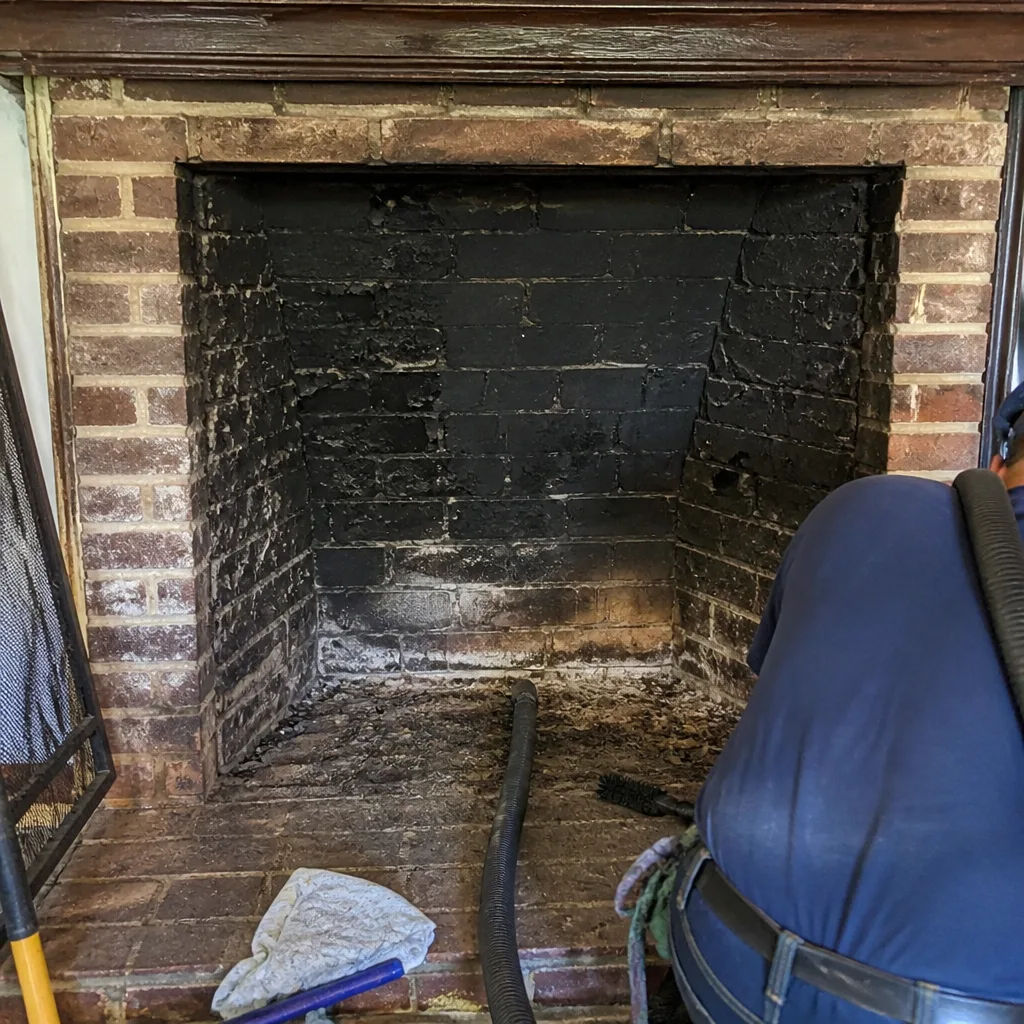
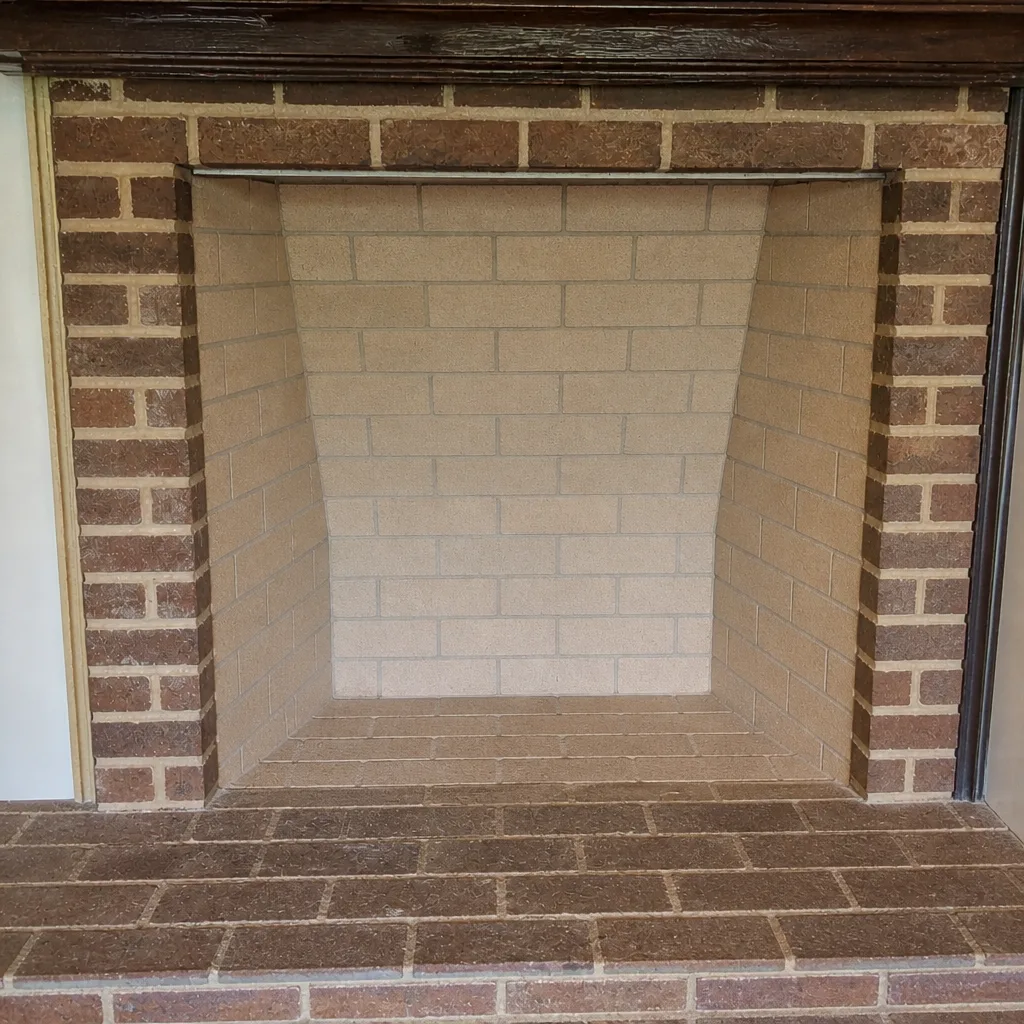
See the difference
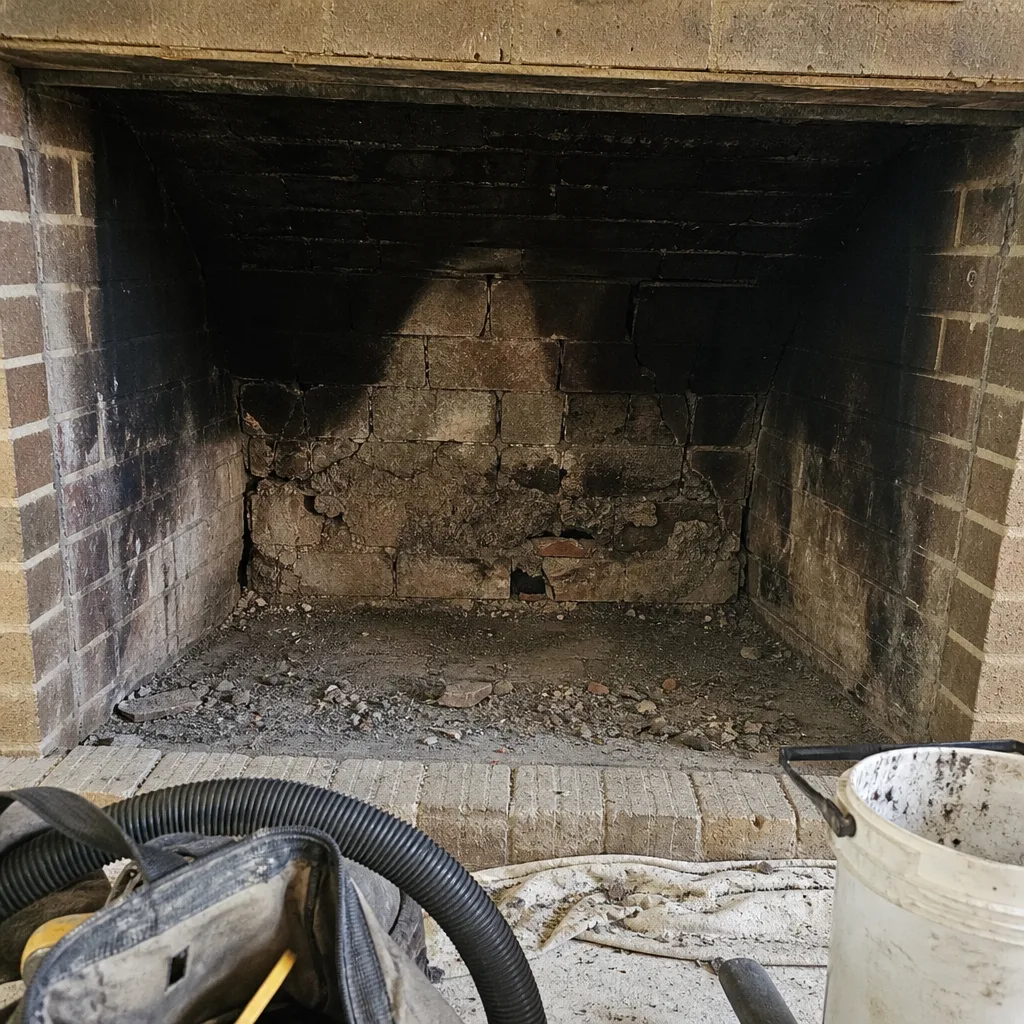 Before
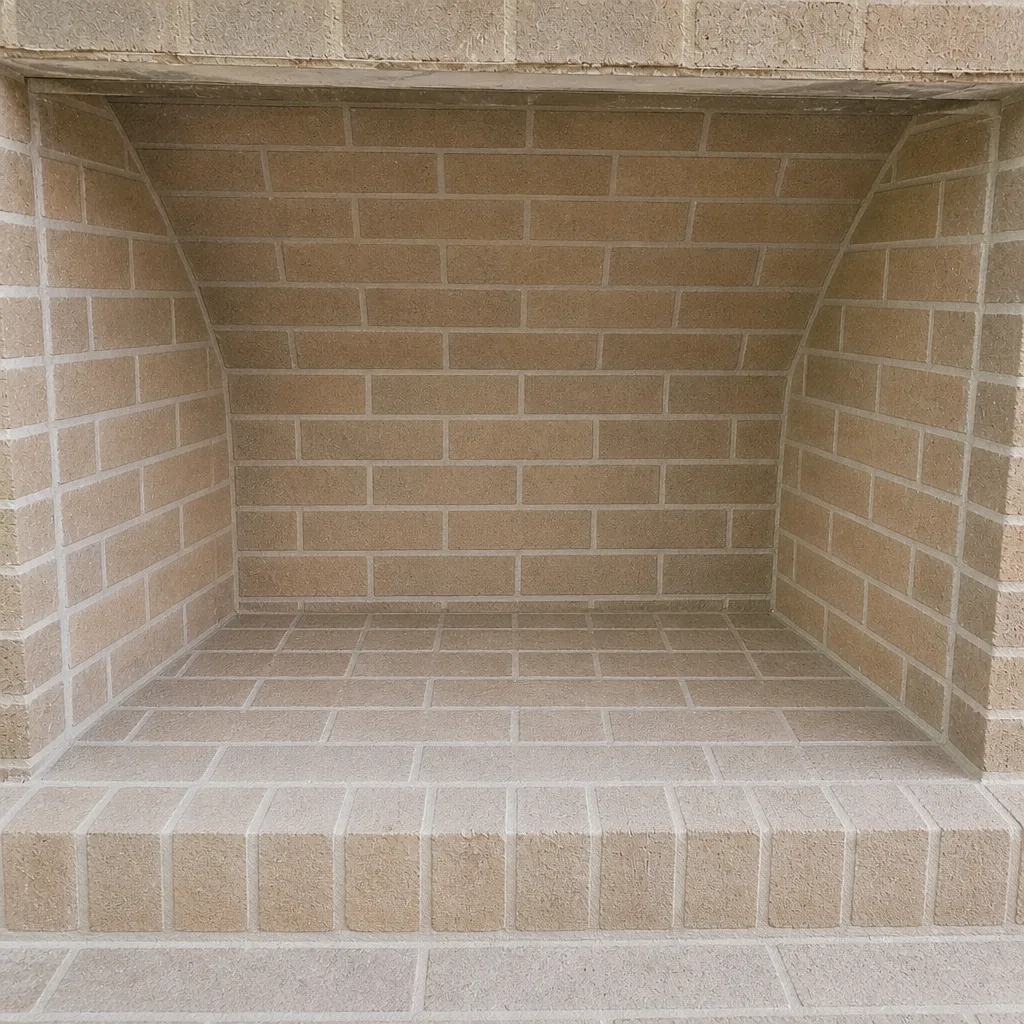 After
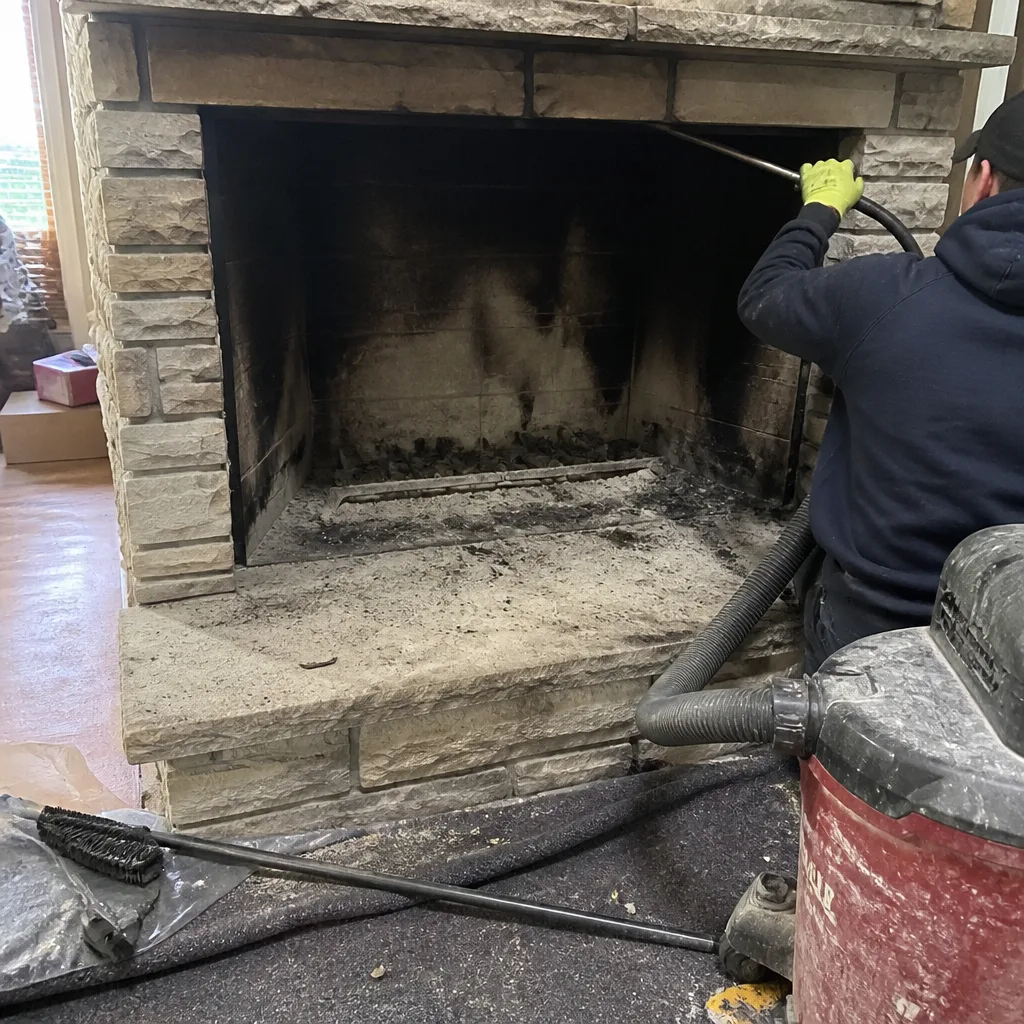 Before
 After
 Before
 After
When to Call a Professional
Some chimney work is routine maintenance you can plan for. Some is a reason to stop and call someone. Get a professional involved if you’ve never had the chimney inspected, if it’s been several years since the last inspection, if you’ve just bought the home, or if you’ve noticed any of the warning signs above – smoke in the room, a musty smell, water in the firebox, visible crown or flashing damage, or animals in the flue. Also call before you burn for the first time each season if anything about the system seems off. A flue liner and firebox are not DIY territory; the work belongs to someone who does it every day. Tallahassee Chimney Sweep performs sweeping, repair, and inspection as its core work, and estimates are free. Call (855) 904-4110. We answer 24/7, with fast dispatch from 7am to 7pm, Sunday through Friday.
Frequently Asked Questions
Late summer into early fall – roughly August, September, or October – is the best time in Tallahassee. That window falls after nesting season and the worst of the rainy and storm season, and before the first fire of the year. It leaves the fewest wet months between your inspection and your first burn.
Yes, but for different reasons than in a cold climate. In Tallahassee, a chimney’s biggest threats over the off-season are moisture, animal debris, and storm damage, not heavy creosote from constant burning. A yearly inspection catches those problems before they turn into a smoky fire or a costly repair. Call (855) 904-4110 for an exact quote – estimates are free.
Not if the nest is active. Many nesting birds are protected under federal law, and disturbing an active nest with eggs or young is illegal. Wait until the young have fledged, then have the nest removed and a proper cap fitted so it doesn’t happen again.
A musty smell in summer usually means the firebox is damp and hasn’t been allowed to breathe. In Tallahassee’s humidity, a sealed, unused firebox grows mold and mildew. Clearing out old ash before summer, letting a little air through, and checking for water getting in after storms usually resolves it. If it keeps coming back, there’s likely a moisture source – a cap or crown problem – that needs fixing.
Once a year is the standard, and in this climate the yearly inspection should fall in late summer or early fall, before burning season. Even if you burn lightly, the off-season is long and wet enough that moisture, nests, and storm damage can develop between inspections. Call (855) 904-4110 for an exact quote – estimates are free.
Small problems compound. A hairline crown crack becomes a crumbling crown. A missing cap lets in rain and animals year after year. Creosote builds up and raises the risk of a chimney fire, and a compromised flue can let carbon monoxide into the home. None of that happens overnight, which is exactly why it’s easy to put off – and why a late-summer inspection is worth keeping on the calendar.
The Bottom Line
Tallahassee doesn’t follow the standard chimney care calendar, and treating it like a cold-climate market is the most common mistake homeowners make here. Your chimney’s hardest season is the long, humid, stormy summer, not the short winter. Service it in late summer or early fall, after nesting season and the worst of the rain, and before the first fire. Keep the cap and crown sound, let the firebox breathe through the humid months, and watch for the warning signs – smoke, smell, water, or visible damage – before you burn. Sweeping, repair, and inspection are the three things that keep a chimney working, and they’re all work for a specialist rather than a DIY project. When you’re ready to get on the calendar, call (855) 904-4110. We answer 24/7, with fast dispatch from 7am to 7pm, Sunday through Friday, and estimates are free.
Written by the team at Tallahassee Chimney Sweep.