
Last updated November 15, 2026
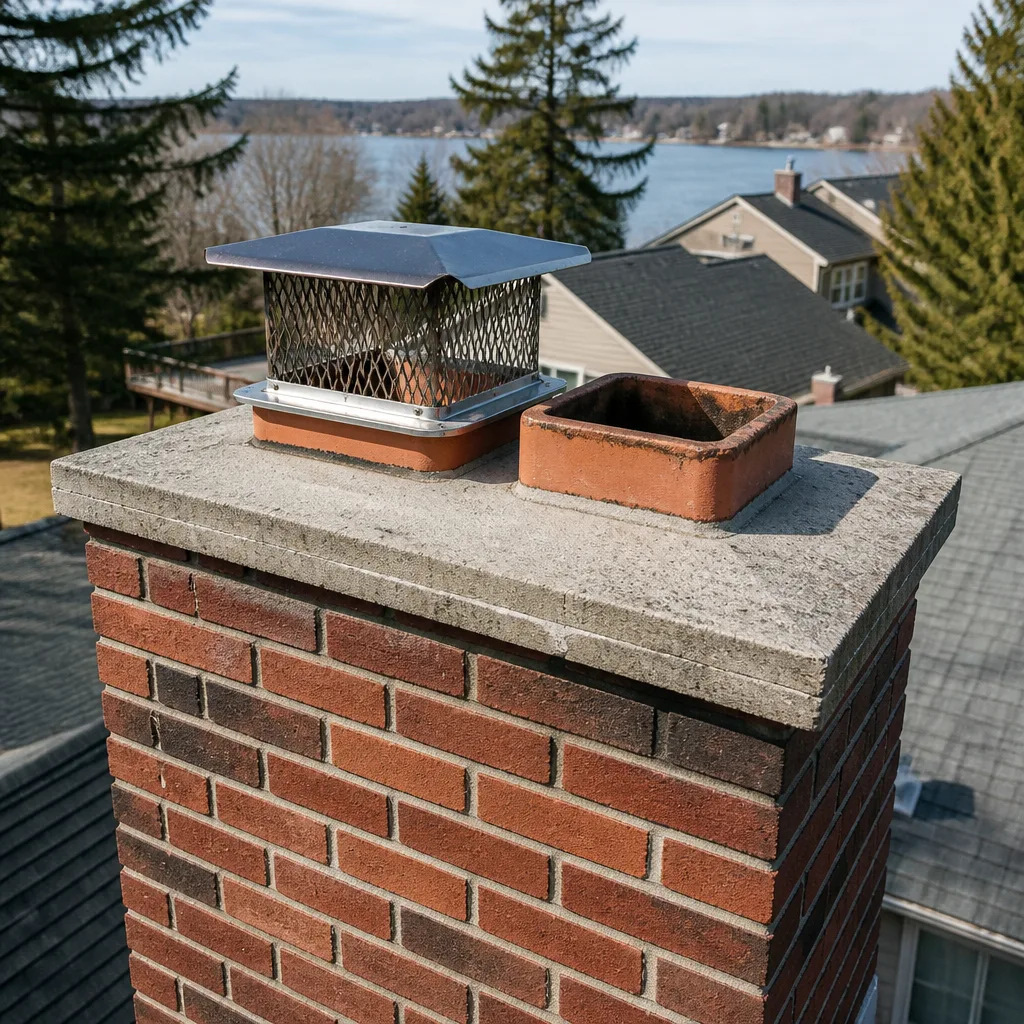 Sweep & inspection
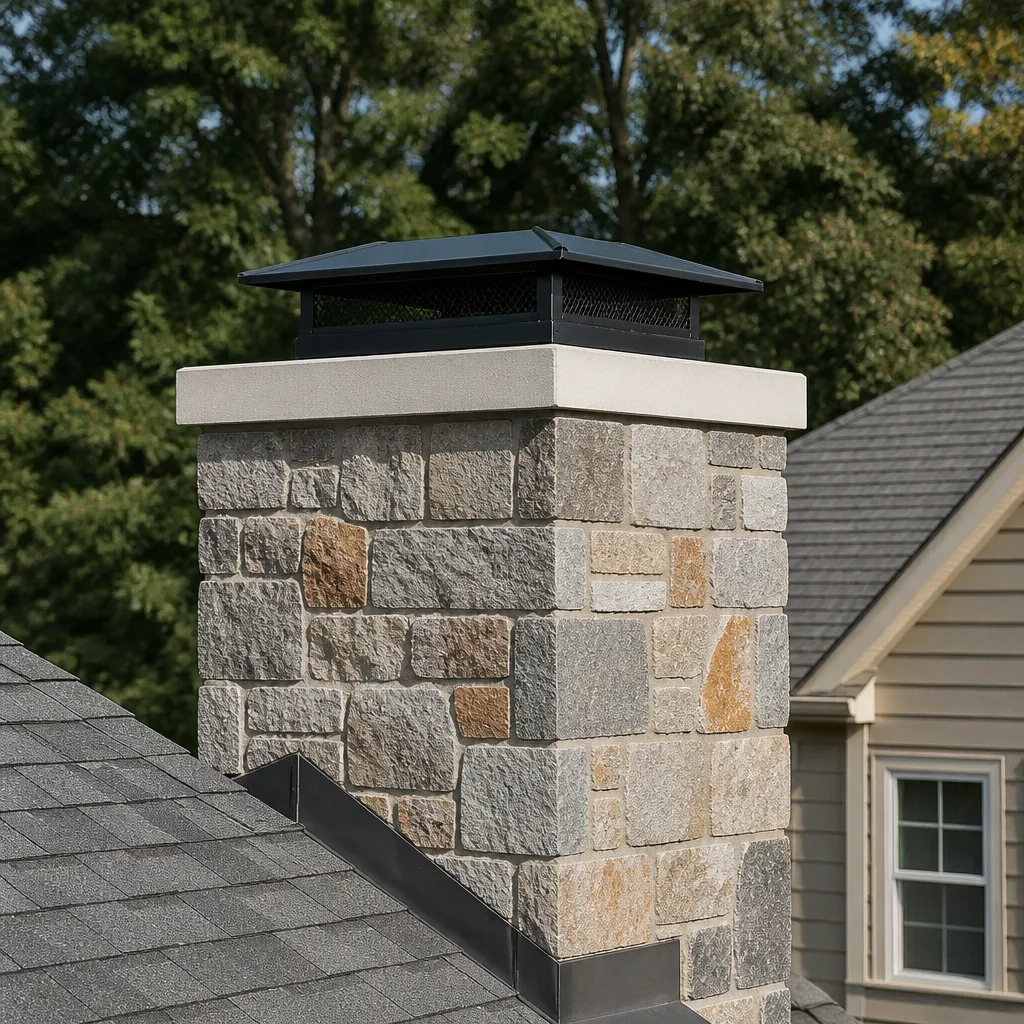 Caps & crowns
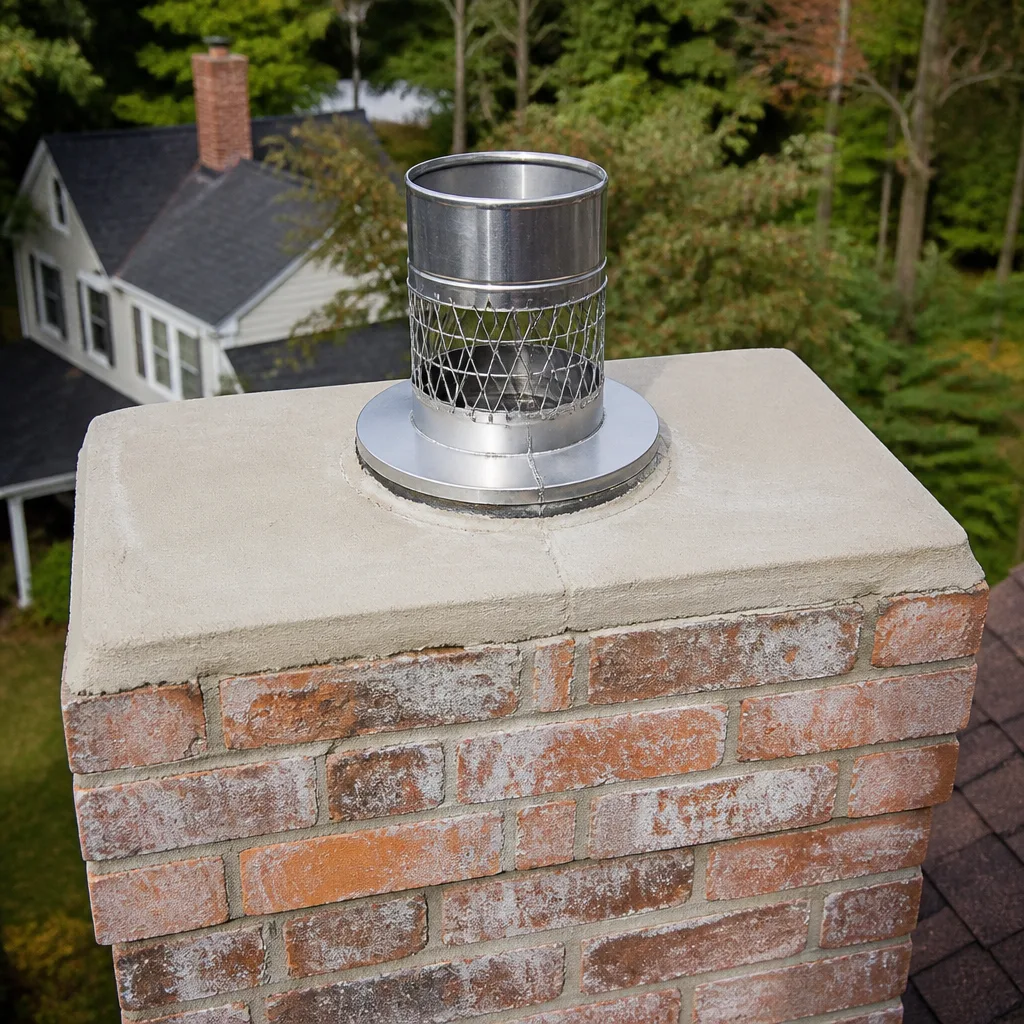 Flue relining
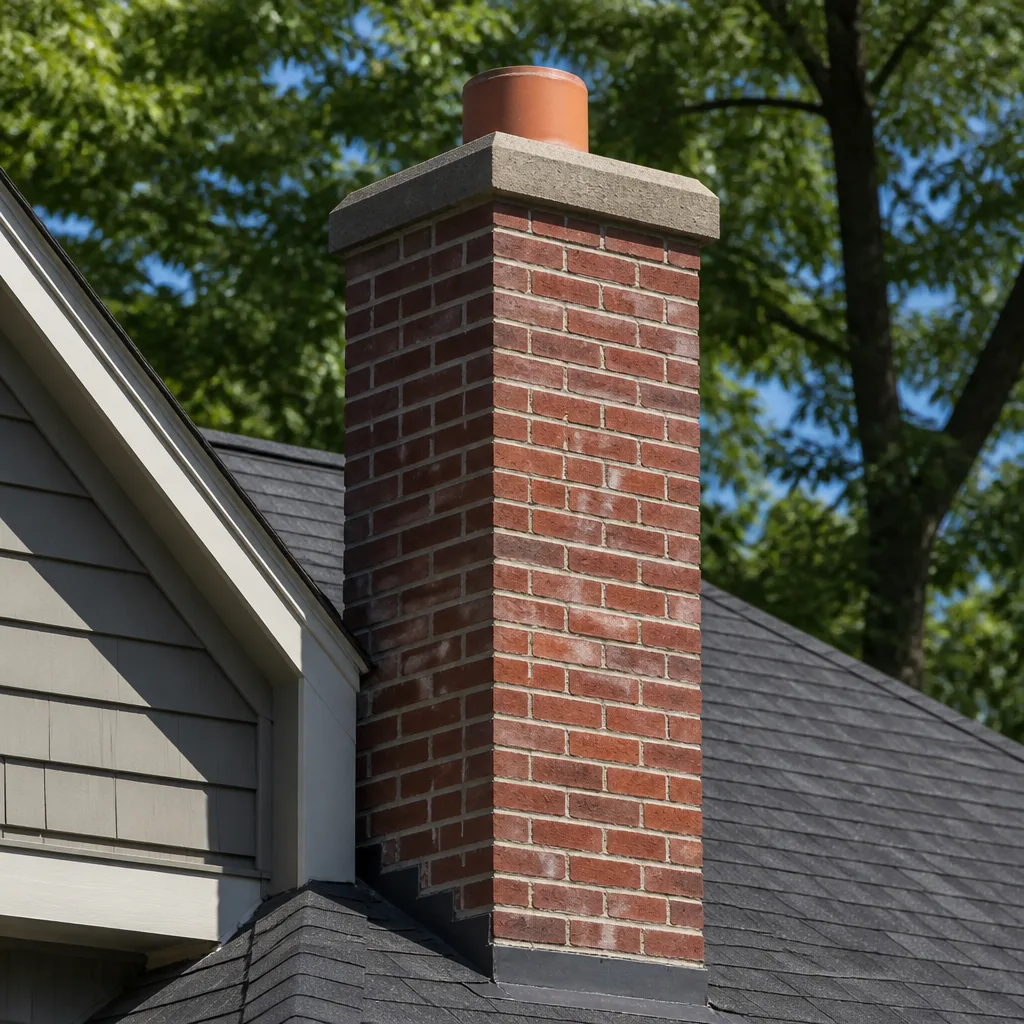 Masonry repair
 Gas fireplace service
Level 1 sweep and inspection to the NFPA 211 annual standard - flue, crown, cap, and flashing checked and photographed
Chimney sweep logs do not sweep chimneys. They loosen some creosote - which then falls where a brush and vacuum still have to collect it.
Chimney Cleaning Permits, Codes & Inspections in Tallahassee, FL: What You Need to Know
Most Tallahassee homeowners assume chimney work is chimney work, and that whatever happens after a sweep is just part of the same job. The truth is messier. In Florida, the cleaning itself almost never requires a permit. The repairs that turn up once the flue is open to inspection often do. That gap between a $200 sweep and a liner or firebox job that legally needs a building permit is exactly where homeowners get caught, usually months later, at resale or after an insurance claim. In this Tallahassee guide we’ll walk the actual boundary between cleaning and repair, show where the Florida Building Code comes in, explain what NFPA 211 means on a real residential job, and lay out the permit path for the repairs we see most often after an inspection.
Quick Answer
A routine chimney cleaning (sweep) in Tallahassee does not require a permit. Structural repairs – relining, firebox rebuilds, crown replacement, damper replacement, cap and chase changes – generally do require a permit through the local building department, and the work must meet the Florida Building Code alongside NFPA 211 standards. Unpermitted repair work usually surfaces at resale, during an insurance claim, or when a future inspector identifies it, and the correction cost lands on the property owner. If a contractor recommends a repair after a sweep, ask which permit it needs before work begins.
Styles & brands we work with
- Sweep & inspection
- Caps & crowns
- Flue relining
- Masonry repair
- Gas fireplace service
Table of Contents
- Where Does Cleaning End and Permitted Repair Begin?
- How the Florida Building Code and NFPA 211 Apply to a Tallahassee Chimney
- What an Inspection Actually Covers, and Why It Comes Before Any Repair
- The Permit Pathway for the Repairs We See Most Often
- How Unpermitted Work Affects Homeowners Insurance
- Why Tallahassee’s Climate and Housing Shape the Timing of the Work
- Keeping Records That Hold Up
Where Does Cleaning End and Permitted Repair Begin?
Cleaning is maintenance; repair is construction. That single sentence is the clearest line in the code landscape, and it’s the one most homeowners don’t get a chance to learn until they’re deep into a project. A standard sweep – brushing the flue, clearing creosote and soot, cleaning the firebox, checking the cap and damper operation, and reporting on what’s visible – is maintenance. It does not change the structure of the chimney, so it doesn’t require a building permit in a normal Tallahassee residential setting. What comes next is where the rules tighten.
If the inspection turns up cracked or missing flue tiles, a deteriorated smoke chamber, a damaged crown, a failed damper, or a firebox with deteriorated mortar joints, those items are structural repairs and are usually permitted. Liners are a good example. A stainless liner installation disturbs or replaces the flue system itself, so it falls under construction work, not maintenance.
In our experience, the split feels cleanest when you ask one question: does this change the chimney as a structure, or restore it to function?
- Maintenance, no permit typically required: sweeping, soot removal, cap screening that doesn’t alter the chimney’s structure, minor hardware tightening, visual checks.
- Repair, usually permitted: relining (including HeatShield resurfacing of the flue), firebox rebuilding, crown repair or replacement, damper replacement, top-seal and chase work, and any cap or venting system that involves a structural change (Famco and Copperfield components are installed here).
- Gray area – ask: swapping a standard cap for a different style, adding a spark arrestor, re-pointing limited mortar at the top. Some of these are covered under minor-repair language and some aren’t; the safe move is a quick call to the Tallahassee/Leon County building department before work starts.
If you’re new to the area, our Tallahassee Chimney Sweep overview walks through the three core disciplines – sweep, repair, and inspection – so you know which one to ask for.
How the Florida Building Code and NFPA 211 Apply to a Tallahassee Chimney
Two rule sets govern a Tallahassee chimney. The Florida Building Code is the law that gets enforced locally, and NFPA 211 (Standard for Chimneys, Fireplaces, Vents, and Solid Fuel-Burning Appliances) is the national standard the code references for how those systems are built and maintained. The two work together: the code tells you what’s legally required to pass inspection; NFPA 211 tells you how to get there.
Florida Building Code Section 1001 is the section that addresses chimneys, fireplaces, and vents – outlining clearance to combustibles, flue dimensioning, materials, hearth extensions, and the general requirement that the system perform its function safely. What inspectors actually look at on a Tallahassee residential job usually covers:
- Clearance from the flue and chimney to combustible materials, checked against the code minimums rather than “whatever looks fine”.
- Condition of the flue liner, including cracked or displaced tiles and whether the flue geometry matches the appliance it serves.
- Smoke chamber and damper function, and whether the damper closes and seats properly.
- Hearth extension, firebox dimensions and clearances.
- Crown and cap – water shedding and the top seal.
- Whether the chimney height and termination meet the roof-line requirements.
NFPA 211 compliance in practice usually means a few things homeowners can verify for themselves: the flue has a continuous liner that’s in good condition, the chimney is cleaned of creosote at the intervals its usage requires (a minimum of annually for most residential systems), the cap excludes water and animals, and any appliance connected to the flue is properly vented. A sweep that produces a clean flue and a documented inspection that confirms the liner is intact is NFPA 211 compliance, day to day.
The intersection with local code matters because a repair that technically “works” (a liner that fires up and drafts) can still fail a code inspection if it skips clearances or materials. That’s why we use industry-standard liner brands – DuraFlex flexible liner systems on relining jobs, HeatShield ceramic resurfacing where the flue is compromised but not fully failing – because a properly permitted repair is judged on those materials and methods, not just on how it looks.
What an Inspection Actually Covers, and Why It Comes Before Any Repair
An inspection is the piece that decides whether you need a permit at all. A proper inspection – not a glance from the firebox floor – documents the system from top to bottom and gives both you and the local building department something concrete to work from. It’s the reason we say: before we recommend a repair, we inspect; before we inspect, we listen to what the chimney is doing.
Here’s how a chimney inspection typically runs on a Tallahassee home:
- Talk first. We ask about draft issues, smoke spillage, odors, water intrusion, when the chimney was last used, and what type of appliance it serves (wood, gas, or a mix).
- Exterior check. Crown condition, cap condition, flashing, chase and masonry soundness, and any visible deterioration at the top.
- Flue and firebox. Visual examination of the flue liner, smoke chamber, damper, firebox and hearth, with a camera where deeper views are needed.
- Documentation. A written report describing condition and any defects, with photos. This is useful for real estate transactions, insurance, and your own maintenance records.
- Recommendations, ranked. What’s urgent, what’s maintenance, and what can safely wait – with a permit note when one is needed.
That “what can wait” step matters. A chimney inspection that produces a camera report you can see is also an inspection you can push back on. If someone is telling you that you need a liner before they’ve shown you why, get a second opinion before signing anything.
For a focused walk-through of inspection cost and what’s covered, see our chimney sweep page.
The Permit Pathway for the Repairs We See Most Often
The relining, crown, and damper jobs that show up most often after a Tallahassee inspection generally follow a shared path. The steps are similar even though the work itself differs, and the sequence is what protects the homeowner in the end.
- Inspection and written report. The inspection produces the justification the permit application needs.
- Scope of work. A written scope describing exactly what will be replaced or restored, and to which code standard.
- Permit application. The contractor files with the local building department for the jurisdiction where the home sits. If your home is inside Tallahassee city limits, the city handles it; if it’s unincorporated Leon County, the county does. A quick call confirms which.
- Work performed to code. Liner, crown, damper, or Firebox components installed to the code and manufacturer specifications – this is where products like DuraFlex, HeatShield, and Copperfield matter because they’re made for permitted installations, not improvised ones.
- Inspection and sign-off. The building inspector verifies the work, and the permit closes.
- Records kept. Permit number, final inspection, and the contractor’s written statement of completed work go in the homeowner’s file.
A liner job is the most common permit-triggering repair. A crown replacement or damper replacement on an existing chimney is usually a smaller scope but is still typically a permitted repair because it addresses the chimney structure. Ongoing maintenance like a sweep does not reset the permit status of an earlier job; if a permitted repair was never closed out, that shows up on the property record independent of any cleaning.
For repair specifics on relining, crowns and dampers in our market, our chimney repair team handles the full scope in-house, including the permit pathway for each repair type.
How Unpermitted Work Affects Homeowners Insurance
Insurers care because the claim they’ll actually face on a chimney is a fire or a carbon monoxide event, and both are the outcome a permitted repair is designed to prevent. When a chimney fire damages the home, the adjuster looks at the property record. If a liner, firebox, or damper was installed or rebuilt without a permit, that unpermitted work can complicate the claim – the insurer may question whether the loss ties back to non-compliant construction, whether the work was ever inspected, and whether the policy’s duty-to-maintain language was met. That’s not an accusation; it’s just how the file gets reviewed.
A closed permit with a final inspection is the cleanest possible answer to those questions. It’s also why we push paperwork on every permitted repair: the permit number, the final inspection, and the contractor’s written statement go in the same folder as the policy.
Two things tend to surprise Tallahassee homeowners:
- Cleaning is documented too. A sweep record with a date and observations can be just as useful at claim time as a permit, because it shows the chimney was being maintained to the NFPA 211 schedule.
- A new property owner inherits the record. Unpermitted repair work that predates your ownership can still show up at resale or after a loss, and correcting it falls to the current owner.
None of this means every homeowner needs to panic over old work. It does mean that when a repair is being recommended, you’re entitled to know whether it needs a permit – and to expect one.
Why Tallahassee’s Climate and Housing Shape the Timing of the Work
Tallahassee winters are mild, and that changes how chimneys age. Fireplaces here are used in shorter, more concentrated bursts during the cooler months, so creosote tends to build during heavy-use weeks rather than over the course of a whole heating season. Cold snaps around the holidays, followed by long stretches with no fire, can leave glazed creosote layered in a flue with nothing on the outside to signal a problem. A sweep before burning season is the practical answer, not a sweep after.
The climate is also wet. North Florida’s spring and summer rains put steady pressure on chimneys from the top, which is where the crown and cap earn their keep. A failed crown is a water entry point, and water entry is what turns a repaired cap job into a much larger masonry problem. If you’ve noticed staining on the ceiling near the chimney or a persistent smell in the summer, the crown or cap is a likely culprit.
The housing stock across Tallahassee includes a wide range – older homes near the Midtown and Myers Park neighborhoods where the original fireplace and chimney chase can date to the original build, and more recently built homes where the sealed combustion or factory-built venting is a different system entirely. Each requires a different inspection approach. A relining scope on an older masonry chimney is not the same as service on a modern prefab system, and the permit requirements can differ too.
One more local factor: the shoulder seasons. Scheduling inspection and repair in spring, before the summer rains and before the fall cool-down, gives the permit timeline room to breathe. A permit that closes in October works just as well as one that closes in April, but the wait for inspection can lengthen during the busy fall window.
Keeping Records That Hold Up
The simplest insurance against the permit question is paperwork. Every sweep, inspection, and permitted repair should have a document behind it. In our experience, the Tallahassee homeowners who have the least trouble at resale are the ones who can produce a tidy file on request. Here’s what belongs in it:
- Sweep records: date, who performed it, and a short description of what was found.
- Inspection reports: the written report and camera documentation, with recommendations.
- Permit numbers and final inspections: for every relining, crown, damper, firebox or chase job.
- Installer statements: the written confirmation from the contractor of exactly what was installed and to what standard (this is where product names like DuraFlex and HeatShield appear, and where Olympia Chimney or Famco venting components may be noted for the cap and venting scope).
- Insurance-file copy: a duplicate of the permit and inspection documents passed to your homeowners insurer if you’ve had a claim or a major repair.
If you don’t have any of this for your current home, an inspection is the way to rebuild the record from scratch. For anyone buying in Tallahassee, an inspection before closing is the single most useful document you can walk away with.
Common Mistakes to Avoid
- Treating a cleaning as a repair warranty. A sweep confirms the flue is clear; it doesn’t confirm the liner is in good shape. Ask for an inspection report before you assume the system is fine.
- Letting a repair get done without a permit because “it’s small”. A damper or crown replacement can be quoted in the hundreds of dollars, but it still changes the chimney structure and usually needs a permit. Skipping it puts the liability on your property record.
- Trusting a quote that arrives without an inspection report first. If a contractor recommends relining without showing you the camera footage or a written inspection, ask for one. That’s the single question we’d want every Tallahassee homeowner to ask.
- Ignoring water entry from the top while the flue is being addressed. Fix the flue and leave a cracked crown, and next rainy season you’ll be back in the same room for the same reason.
- Buying a home with a fireplace and skipping the inspection. In Tallahassee, a fireplace that has been decorative for years is common. Its flue condition is unknown until it’s inspected.
- Assuming a general handyman can do permitted chimney work. Permitted work requires the paperwork and the inspection to close the job. A chimney-only specialist with an established supplier portfolio (DuraFlex, HeatShield, Gelco, Olympia Chimney, Famco, Copperfield) is the safer call when the scope is structural.
- Filing the permit paperwork in a drawer. If the permit number and final inspection aren’t where you can find them at claim or resale time, they may as well not exist.
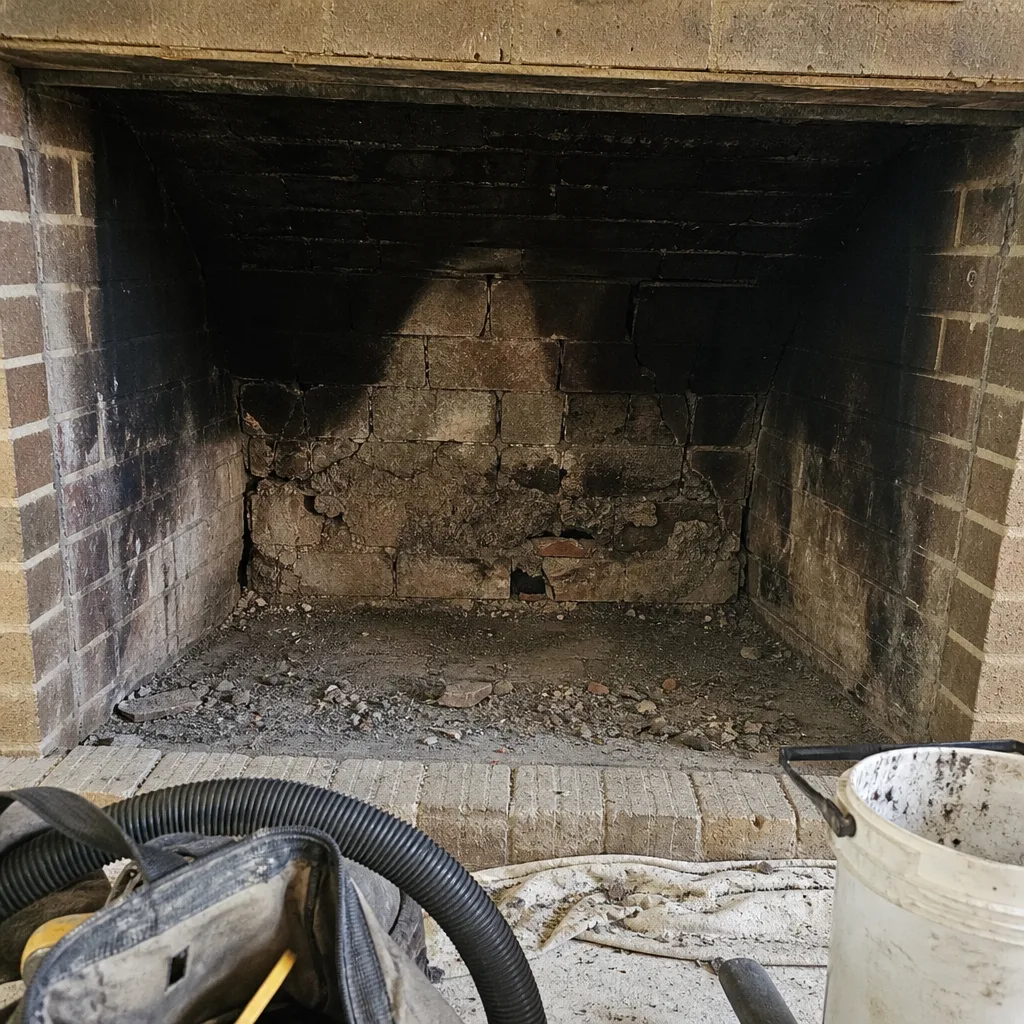
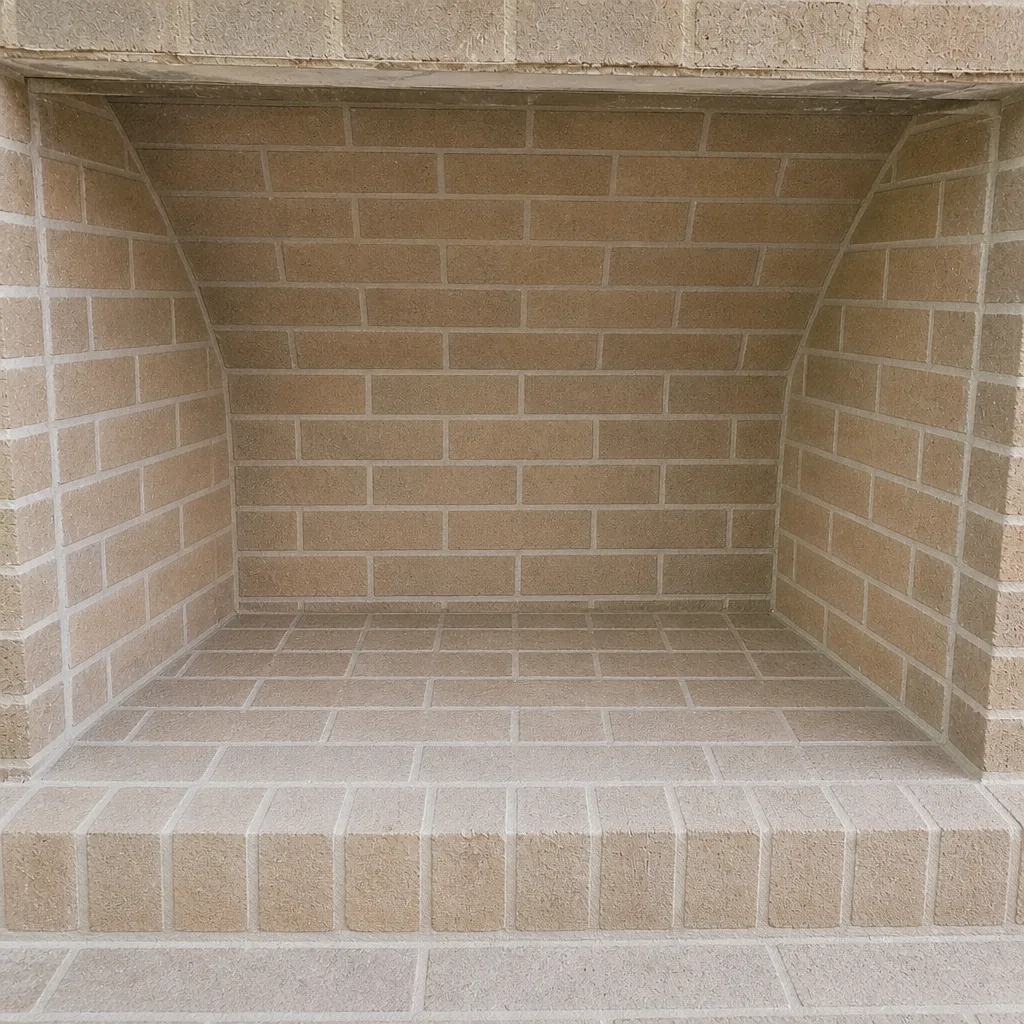
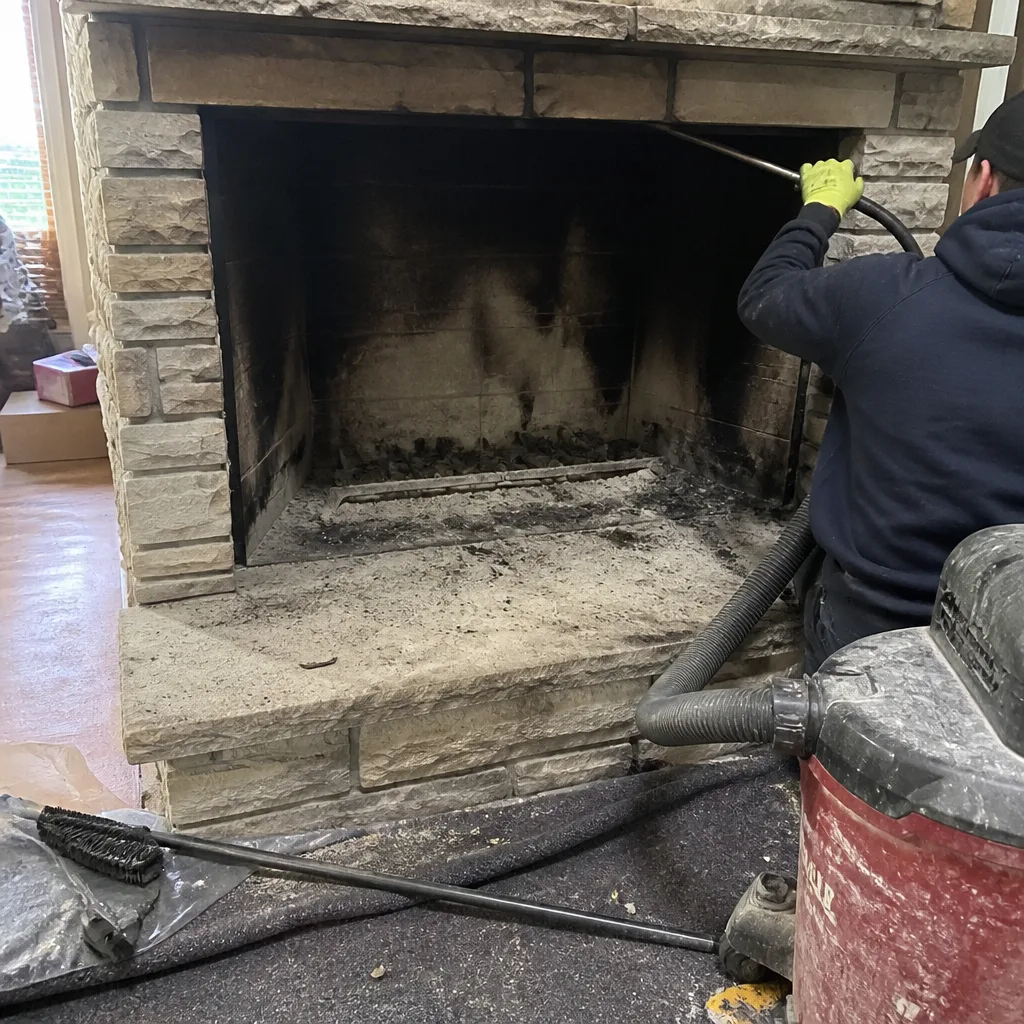
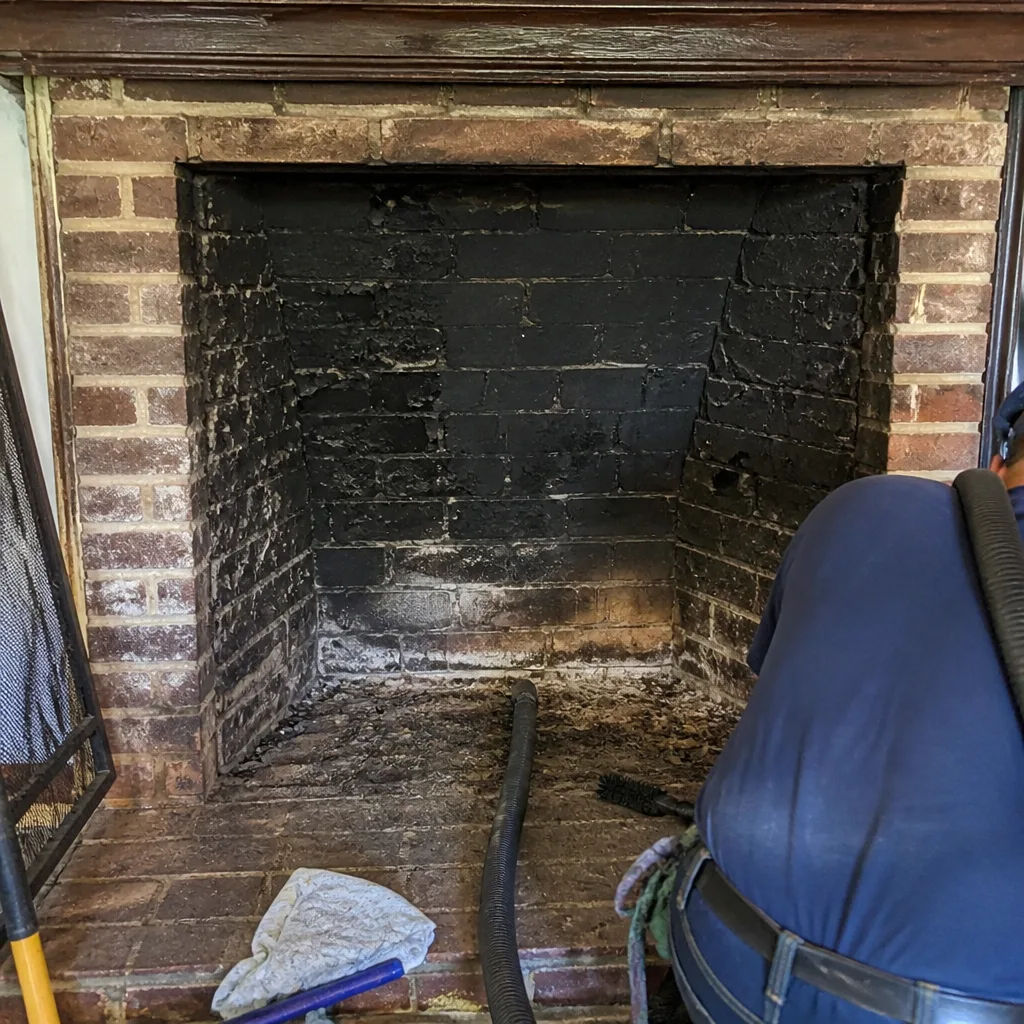
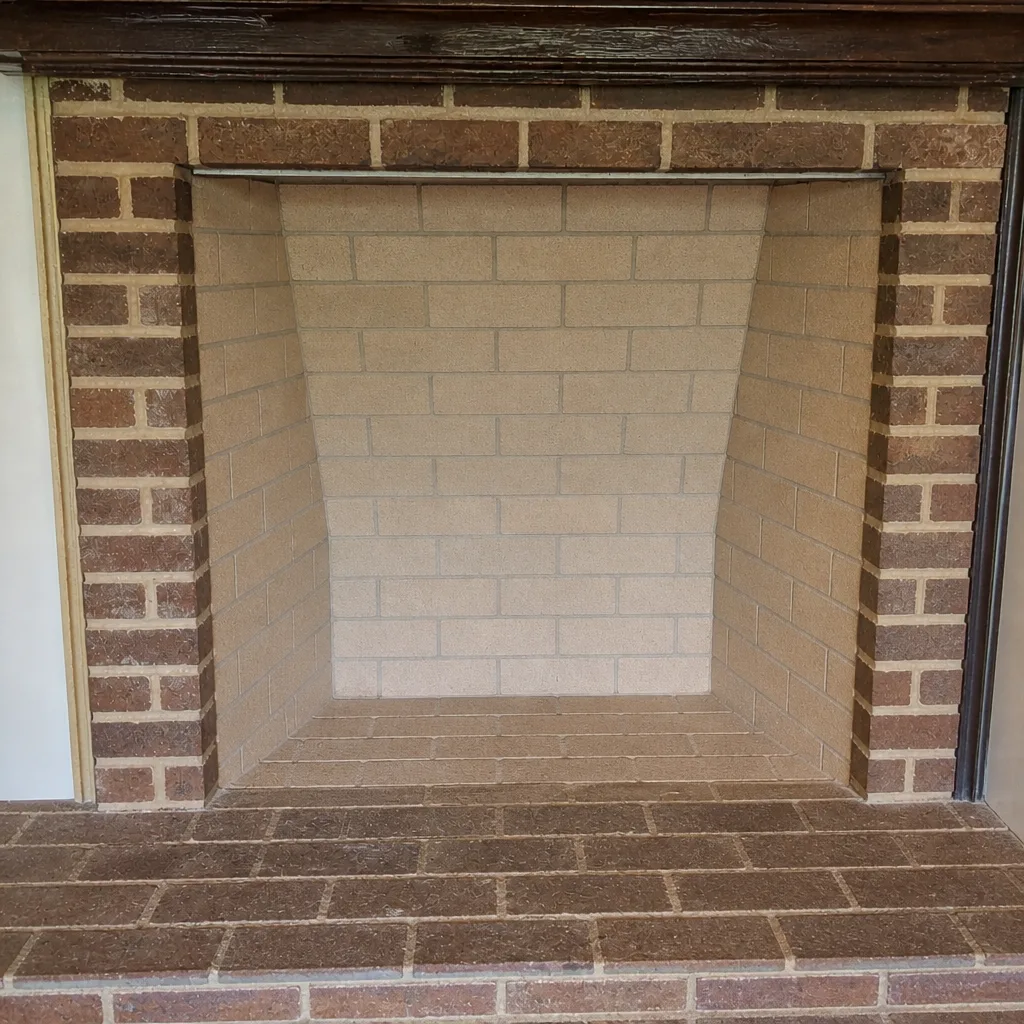
See the difference
 Before
 After
 Before
 After
 Before
 After
When to Call a Professional
Call a professional when the issue involves anything you can’t see from the firebox, or anything that changes the chimney’s structure. That includes: smoke spilling into the room on a cold start, a smell in the summer, visible deterioration in the firebox or crown, water staining near the chimney, a chimney that hasn’t been inspected in several years, and any home purchase where the fireplace will be used. It also includes the case where a contractor has recommended a liner or rebuild: the recommendation deserves a second look and a permit conversation before signatures. The safety side matters too – cracked flues, deteriorated fireboxes and blocked vents are the pathway to a chimney fire or carbon monoxide in the home, and neither is something to defer. Tallahassee Chimney Sweep offers free estimates in Tallahassee – call (855) 904-4110. We answer 24/7.
Frequently Asked Questions
No. A standard chimney cleaning (sweep) in Tallahassee does not require a permit because it’s maintenance, not construction. A permit becomes relevant when the inspection finds a repair that changes the chimney’s structure – relining, firebox work, crown replacement, or damper replacement. If a sweep uncovers one of those, ask which permit it needs before the work starts. Call (855) 904-4110 for an exact quote – estimates are free.
Most residential sweeps in Tallahassee fall in the low-to-mid hundreds of dollars, depending on the system and whether an inspection report is included. The written estimate sets the final price. If the sweep turns up a repair, that’s a separate scope and a separate quote. Call (855) 904-4110 for an exact quote – estimates are free.
NFPA 211 calls for an annual inspection and cleaning as needed for most residential systems; many Tallahassee homeowners on wood fireplaces sweep once a year, before the burning season. Homes with heavier use or unseasoned wood should be checked more often. Call (855) 904-4110 for an exact quote – estimates are free.
You need a new liner when the existing flue is cracked, unlined, or no longer sized for the appliance – and a proper inspection with camera evidence is the way to know. Nothing should be recommended without documentation you can see. If a contractor quotes a relining without an inspection report, get a second opinion. Call (855) 904-4110 for an exact quote – estimates are free.
Skipping inspection raises the risk of two things an inspection is designed to catch: a chimney fire from built-up creosote or a compromised liner, and carbon monoxide from a blocked or deteriorated vent. Neither is guaranteed to happen, and that’s exactly why the inspection matters – it’s the only way to know whether the system is in good condition. Call (855) 904-4110 for an exact quote – estimates are free.
It can. Insurers review the property record after a fire loss, and unpermitted structural work on the chimney can complicate the claim because the work was never inspected. A closed permit with a final inspection is the cleanest defense. If you’re not sure whether prior work was permitted, an inspection can establish what’s there and what needs correcting.
Crown replacement is normally treated as a structural repair because it changes the chimney top and the water-shedding system, so it typically needs a permit. Small maintenance items may not. When the scope is unclear, the correct move is to call the Tallahassee/Leon County building department and confirm before the work starts rather than after.
The Bottom Line
The permit question isn’t really about paperwork. It’s about who carries the liability when a repair goes wrong. Cleaning doesn’t need a permit, repair usually does, and the line between them – relining, firebox work, crown, damper – is where homeowners get caught. NFPA 211 sets the standard, the Florida Building Code enforces it, and the inspection report is what ties them together. Keep the records, ask for camera evidence before any repair, and confirm the permit pathway before a job begins. If you’re in Tallahassee and want the whole system checked under one specialist (sweep, repair, and inspection in-house), call (855) 904-4110. We answer 24/7. Fast dispatch from 7am to 7pm, Sunday through Friday. Free estimates.
Written by the team at Tallahassee Chimney Sweep.