
Last updated November 15, 2026
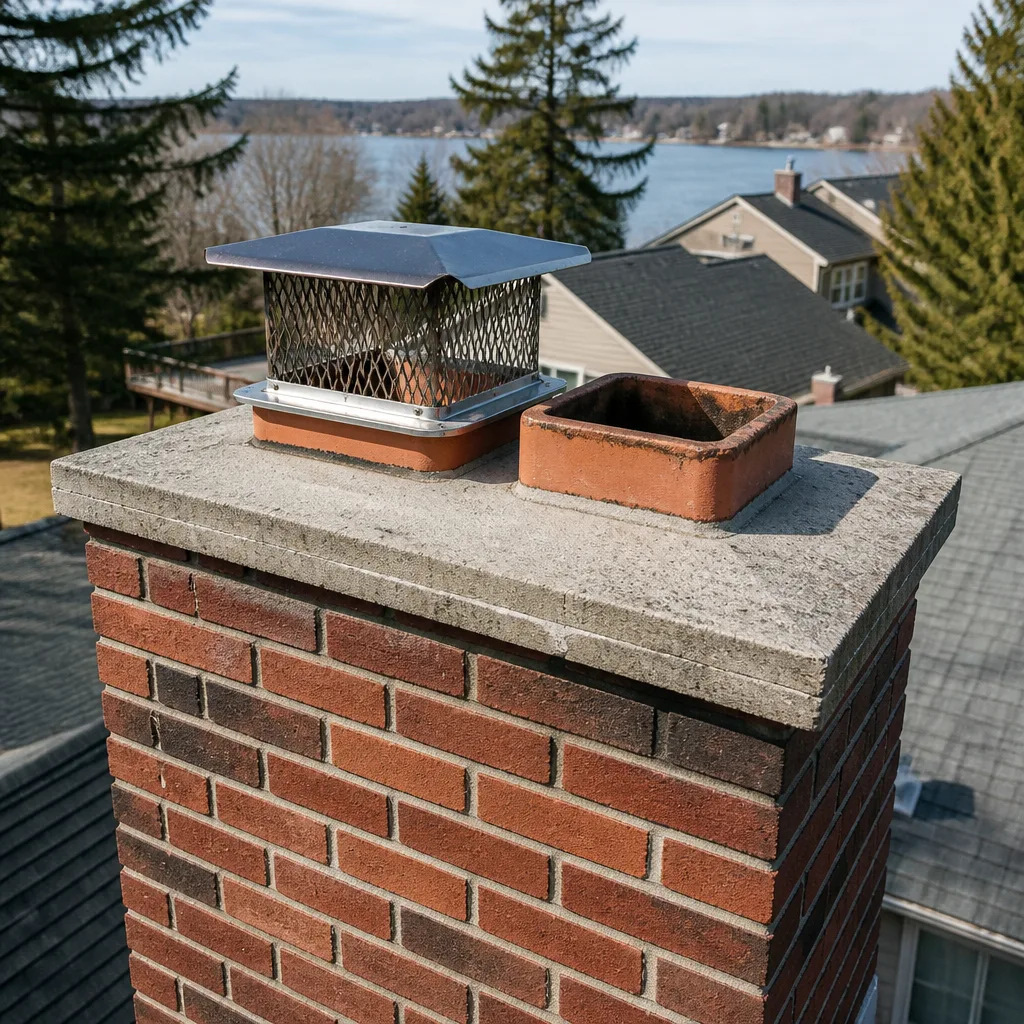 Sweep & inspection
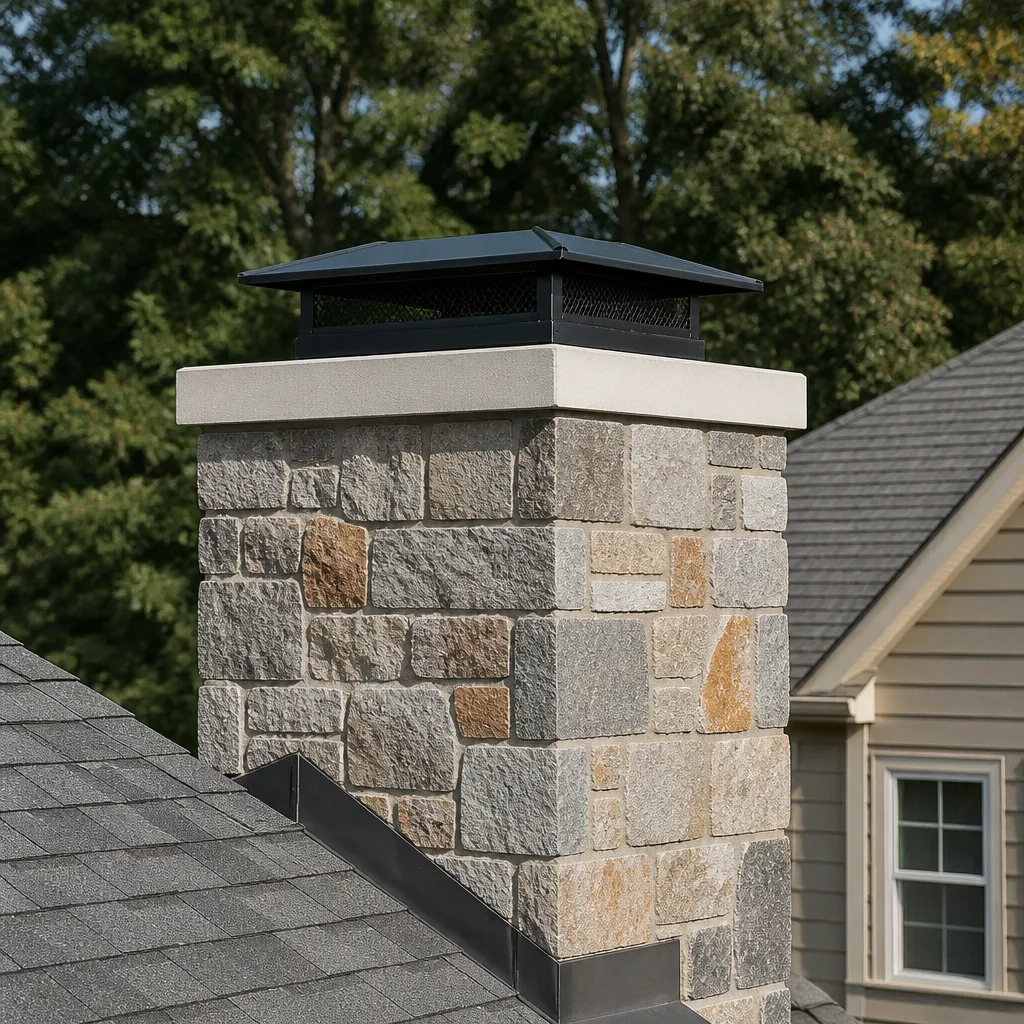 Caps & crowns
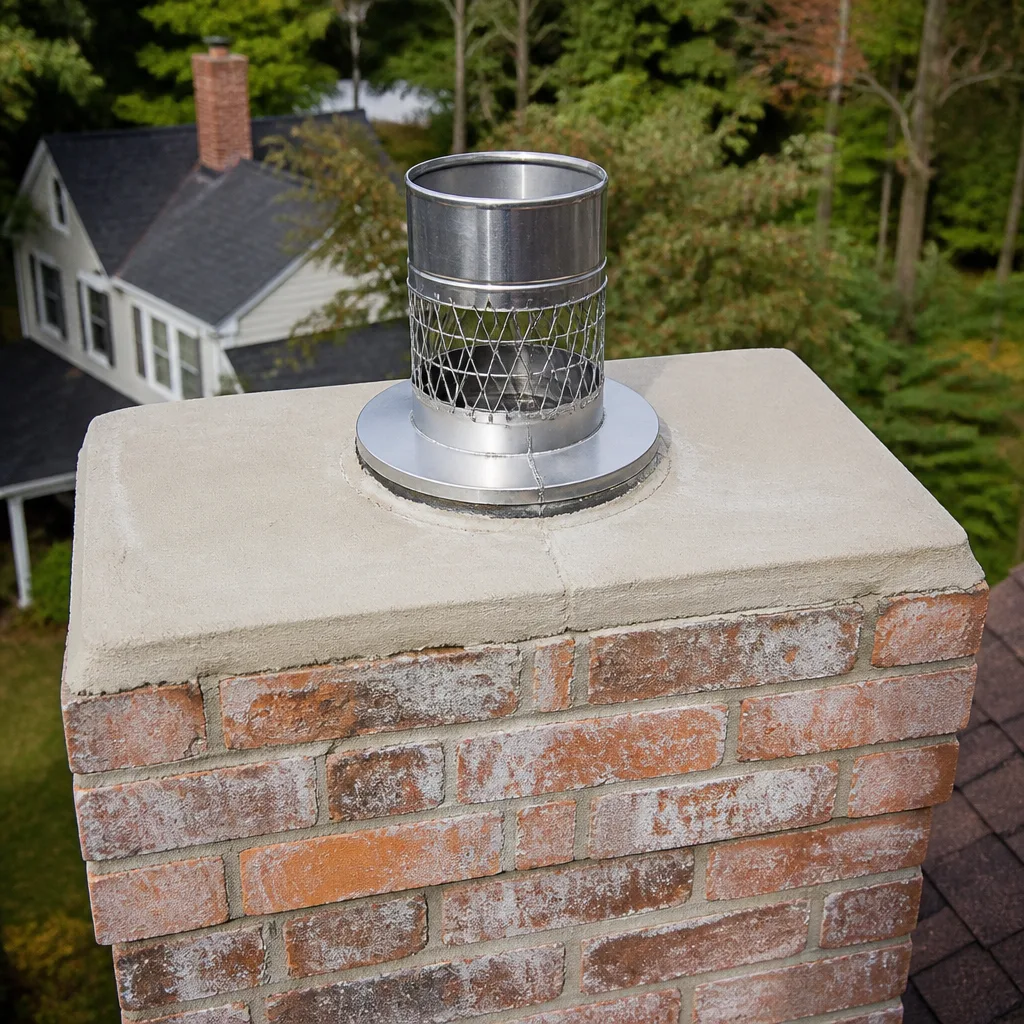 Flue relining
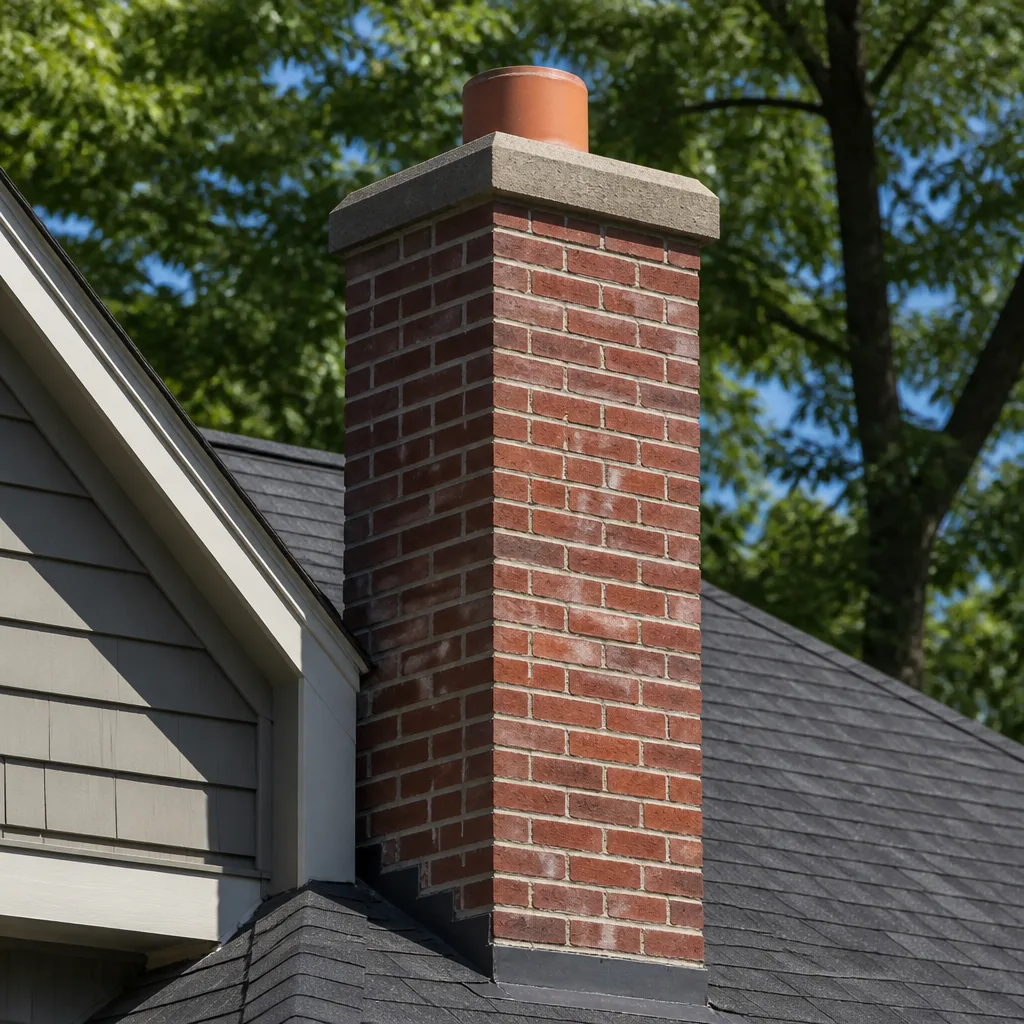 Masonry repair
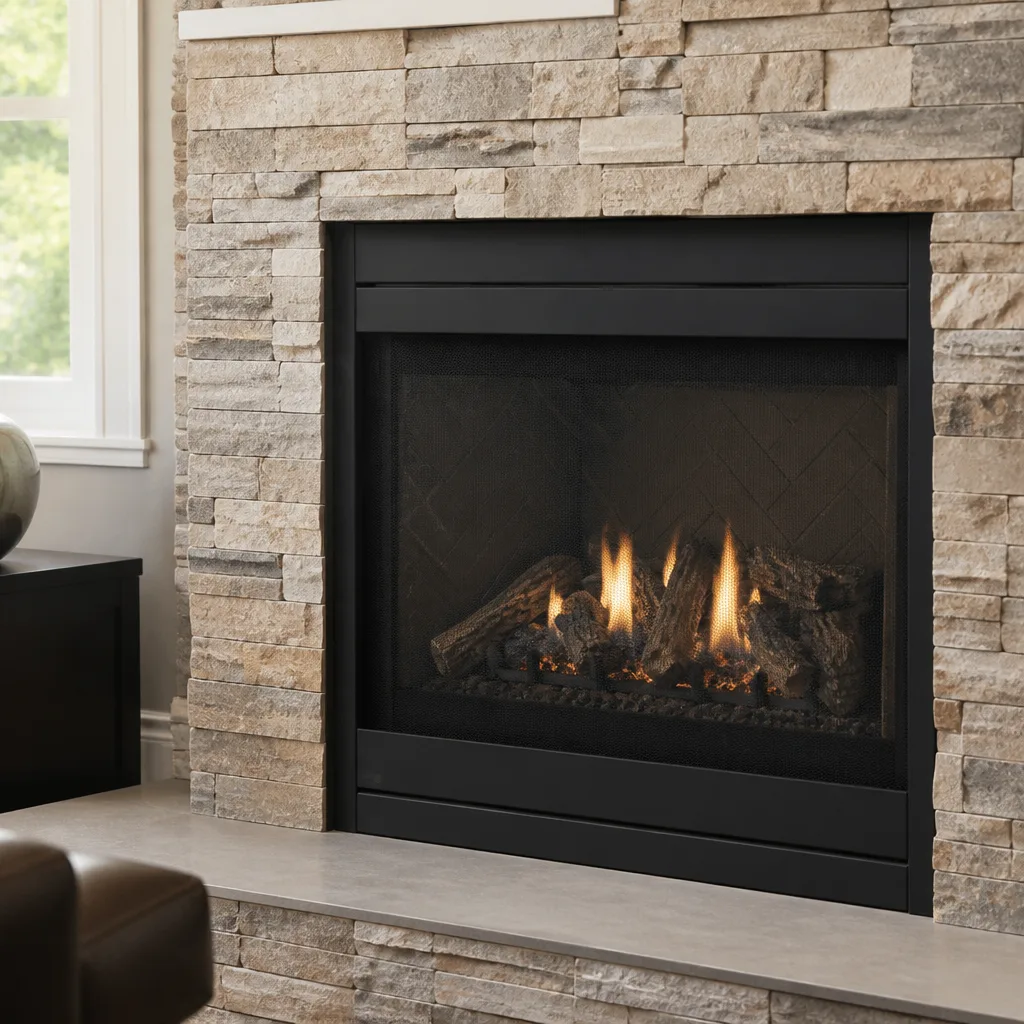 Gas fireplace service
Level 1 sweep and inspection to the NFPA 211 annual standard - flue, crown, cap, and flashing checked and photographed
Chimney sweep logs do not sweep chimneys. They loosen some creosote - which then falls where a brush and vacuum still have to collect it.
Chimney Cleaning Emergency Preparedness Guide for Tallahassee Homes
Most chimney guides hand you one emergency plan: fire. That’s the wrong frame for Tallahassee. Here, a chimney system faces two genuinely different threats. One is a flue fire sparked by a creosote load you didn’t know you had. The other is a blocked or damaged flue after a tropical system rolls through, when downed limbs, leaf packs, or a shifted cap leave you with a chimney that vents nothing. A fire and a storm blockage both raise carbon monoxide risk, but the response to each is opposite in almost every way. This guide walks both paths, step by step, so a Tallahassee homeowner knows what to do in the first minute, the first day, and the first week.
Quick Answer
Chimney emergency preparedness in Tallahassee means having two plans ready before the season starts: a fire-response plan for a creosote-fed chimney fire, and a post-storm plan for checking your flue before the first burn after a hurricane or severe weather. A professional sweep and inspection before burning season catches the creosote load, and a check after any major storm catches the blockage. Carbon monoxide alarms placed correctly in the living space complete the picture, and any sign of a compromised flue means a same-day call, not a wait-and-see.
Styles & brands we work with
- Sweep & inspection
- Caps & crowns
- Flue relining
- Masonry repair
- Gas fireplace service
Table of Contents
- The Two Emergency Scenarios Tallahassee Homeowners Actually Face
- What to Do in the First 60 Seconds of a Chimney Fire
- How to Check Your Chimney After a Hurricane or Major Storm
- Carbon Monoxide Detection: Placement Specific to Fireplaces and Flues
- Which Chimney Problems Are Emergencies and Which Can Wait
- Documenting Chimney Damage for a Florida Insurance Claim
- The Pre-Season Preparedness Checklist
- Common Mistakes to Avoid
The Two Emergency Scenarios Tallahassee Homeowners Actually Face
Tallahassee sits in a part of the country where wood-burning fireplaces still get real use in the cooler months, and where tropical weather systems pass through with enough regularity that storm damage to a chimney is a live concern rather than a hypothetical. Those are two separate risk profiles, and treating them as one leaves gaps. The fire scenario plays out over a burning season as creosote accumulates in the flue. The storm scenario can happen in a single afternoon and leave a chimney that looks untouched from the ground but is blocked or fractured higher up.
Here’s why the difference matters for your response. A chimney fire needs you to stop feeding air and get out. A storm blockage needs you to keep the fire unlit entirely until the flue is checked. If you respond to a storm blockage as though it’s a fire, or vice versa, you can make things worse.
The overlap is carbon monoxide. Both a fire that damages a flue liner and a storm that blocks or cracks a flue can let combustion gases into your living space. That’s why detection and correct placement matter as much as the physical response, and why we treat preparedness as one system: the sweep, the inspection, the alarms, and the plan, all in place before you need any of them. Our technicians have up to 14 years of experience reading flue condition across both scenarios, and the patterns are consistent enough that a proper inspection catches most problems long before they turn into an emergency.
If you’ve bought a home in Tallahassee recently and don’t have any record of the chimney being looked at, that’s the single most common gap we find. A documented chimney sweep and inspection gives you a baseline you can actually work from.
What to Do in the First 60 Seconds of a Chimney Fire
The first sixty seconds of a chimney fire decide how bad it gets. The instinct to throw water on it or to keep watching is wrong. What you need is to cut the air supply, get everyone out, and call for help, in that order, fast.
A chimney fire often announces itself with a low roar that sounds like a distant train, a dense rush of air up the flue, popping or cracking, or flames and sparks visible at the top of the chimney. Not every chimney fire is loud and dramatic, though. Some burn quietly and do their damage on the inside, which is why the inspection matters even after a fire you think was minor.
Here is the response protocol. These steps are about staying safe, not about fighting the fire yourself.
- Close the damper. This is the single most important first action. The damper is the metal flap above the firebox that controls airflow up the flue. Closing it starves the chimney fire of oxygen. Reach up, pull or push the handle to the closed position, and do it without hesitation. If the damper is already open because you were burning, close it now.
- Get everyone outside. No stopping to gather belongings. Get people out of the house and away from the chimney side of the building.
- Call 911 from outside. Fire departments respond to chimney fires, and they need to know what’s happening. Don’t wait to see if it goes out.
- Don’t put water on it. Throwing water into a hot firebox or onto a hot flue can crack the liner or the masonry through thermal shock, and it can send steam and smoke back into the room.
- Stay out until cleared. Even if the roar stops, the fire can reignite in creosote deposits above. Wait for the fire department to clear the structure before going back in.
After any chimney fire, the flue needs a professional inspection before it’s used again. A fire can crack a clay tile liner, warp a stainless liner, or leave a heavy glaze of creosote that’s more flammable than what fed the fire. If you suspect a fire happened, or you’re not sure, that’s a same-day call to us. We can schedule a chimney repair assessment once the flue is cool and safe to inspect. When a liner is compromised, resurfacing with HeatShield or a DuraFlex stainless liner rebuild is often the right path, and we handle both.
How to Check Your Chimney After a Hurricane or Major Storm
After a storm passes, the chimney is one of the last things people think to check, and it’s one of the most important before the first burn of the season. A hurricane or strong line of storms can drop limbs onto a chimney, pack leaves and debris into the flue, shift the cap, or crack masonry without leaving obvious damage visible from the ground. Lighting a fire into a blocked or damaged flue pushes combustion gases into the house instead of up and out.
Here’s what to check after a storm, and what not to touch.
Check, from the ground and inside
- Look at the cap and crown. From outside and at a safe distance, see whether the chimney cap is still seated, tilted, or missing. The cap is the fitted top piece that keeps rain, animals, and debris out of the flue. Using a fitted chimney sweep-grade cap, like the Gelco and Famco components we install, is what prevents the post-storm debris problem in the first place.
- Inspect the firebox and damper area. Look for fallen masonry, soot staining that wasn’t there before, or a damper that won’t move freely. Don’t force a stuck damper.
- Look for water intrusion. Water staining on the firebox walls or a damp smell in the firebox suggests the crown, cap, or flashing is compromised.
- Check the roof for downed limbs. From a safe vantage point, look for limbs resting on the chimney or the roof near it. Don’t climb onto a wet or storm-damaged roof to move them.
What not to touch
- Don’t reach into the flue. You can’t see what’s above you, and a loose clay tile or a chunk of debris can come down.
- Don’t light a fire to “test” the chimney. A blocked flue with a fire at the base is how carbon monoxide enters the living space. Wait for the inspection.
- Don’t climb the roof or chimney yourself. Height work on damaged masonry is a job for a trained professional.
If the storm was strong enough to bring down trees in your neighborhood, assume the chimney needs a look. A formal inspection documents the condition and gives you a written record. That record matters both for your own safety and for an insurance claim, which we cover below. Olympia Chimney and Copperfield components are part of what we use when a cap or venting piece needs replacing after storm damage.
Carbon Monoxide Detection: Placement Specific to Fireplaces and Flues
Carbon monoxide is the reason both emergency scenarios in this guide matter. It’s colorless, odorless, and comes from incomplete combustion, and a compromised flue, whether cracked in a fire or blocked after a storm, is one of the ways it reaches a living space. Standard advice says “put a CO alarm near the bedrooms,” and that’s true, but it leaves gaps specific to a home with a fireplace and flue.
Here’s where detection should go when you have a wood-burning or gas fireplace, and where the typical plan falls short.
- On every level of the home, including the basement level if you have one below the living area. CO is roughly the same weight as air and mixes throughout the space, so a single alarm doesn’t cover a two-story house.
- Outside each sleeping area, in the hallway. This is standard and it works, but the gap is that a chimney-related CO event often starts in the room with the fireplace, not the hallway.
- Inside or just outside the room with the fireplace. This is the placement most homes miss. A detector near the fireplace gives you an early signal specific to a flue problem, before the CO migrates to the bedrooms.
- Not directly above the firebox or inside the fireplace enclosure. Normal operation can trigger nuisance alarms there from trace amounts of combustion byproducts during startup.
- Follow the manufacturer’s mounting instructions. Some detectors specify wall versus ceiling placement and minimum distances from fuel-burning appliances. Those instructions override general rules.
Test the alarms on a schedule, and replace the units on the manufacturer’s recommended interval. A detector that’s past its service life still beeps when you press the button, which makes it easy to think it’s working. In our experience, this is one of the quietest safety gaps in a Tallahassee home. Pair a working detector layout with a documented Tallahassee Chimney Sweep and inspection, and you’ve closed the loop between the appliance and the alarm.
Which Chimney Problems Are Emergencies and Which Can Wait
Not every chimney problem needs a same-day call, and knowing the difference is what keeps a homeowner from panicking over a draft while missing a real hazard. Here’s how we sort it.
Call today (same-day service)
- Any suspected chimney fire, even one that seemed to go out on its own. The flue needs inspection before it’s used again.
- Smoke rolling into the room when a fire is burning and the damper is open. That’s a sign of a blocked or compromised flue.
- A CO alarm sounding in a home with a fireplace. Get everyone out, call 911, and don’t relight until the system is inspected.
- Visible structural damage to the chimney after a storm: a shifted cap, cracked masonry, or fallen material in the firebox.
- A strong, persistent creosote or chemical smell that doesn’t clear after the fire is out.
Can wait for a scheduled appointment
- A cold-draft smell when the fireplace isn’t in use. Common and usually fixable with a properly fitted cap or damper work.
- A damper that’s stiff but still moves. Worth servicing, not an emergency.
- Minor soot staining with no smoke spillage or CO alarm.
- Routine maintenance before burning season, when nothing is actively wrong.
The honest dividing line is this: if there’s any chance combustion gases are going into the house, or the structure has been damaged, it’s an emergency. If the system is intact and only needs servicing, it can go on the calendar. When in doubt, call. (855) 904-4110.
Documenting Chimney Damage for a Florida Insurance Claim
An insurance claim for chimney damage is only as strong as the documentation behind it. Adjusters work from evidence: clear photos, a written description of the condition, and a professional assessment that ties the damage to a specific cause. Without that, a claim for storm damage or fire damage can stall or get reduced. Here’s how to document it properly.
Photo evidence standards
- Wide shots first, then close-ups. Photograph the whole chimney from multiple angles at ground level, then close-ups of the affected area. Adjusters need context, not just a close-up of a crack.
- Include a reference for scale. A tape measure or a common object beside the damage helps the adjuster judge size.
- Photograph interior and exterior. Firebox, damper area, and any interior staining, plus the exterior cap, crown, and flue top if safely visible from the ground.
- Capture the cause where you can. A downed limb on the roof, a missing cap, or evidence of a fire all support the claim narrative.
- Don’t move debris before photographing it. Document first, then photograph again after any cleanup.
Adjuster communication
- Get the inspection in writing. A formal inspection report documents the system’s condition and is what adjusters actually use. We provide that documentation for real estate transactions, insurance, and maintenance records alike.
- Separate cause from remedy. The inspection identifies what happened. The repair estimate covers what it takes to fix it. Submit both.
- Keep a timeline. Note the date of the storm or fire, the date you noticed the damage, and the date of the inspection. A clear sequence supports the claim.
- Ask the adjuster what documentation they need before the visit. Some want contractor estimates up front, some want photos first. Knowing which saves a second trip.
If a repair is approved and a liner is involved, the documentation should specify the product and method, not just “replace liner.” A DuraFlex stainless liner system or a HeatShield resurfacing is a specific repair with a specific scope, and the report should say so.
The Pre-Season Preparedness Checklist
Preparedness is mostly a matter of doing the right things before you need them. Here’s the checklist we walk Tallahassee homeowners through before burning season, and again after any major storm.
- Schedule a sweep and inspection before the first fire of the season. Creosote builds up over a burning season, and a sweep clears it before it becomes fuel for a chimney fire. An inspection confirms the flue is intact and clear.
- Confirm your CO alarms are working and correctly placed. Test each unit, check placement against the guidance above, and replace any unit past its service life.
- Check the cap and crown. A fitted cap keeps rain, animals, and storm debris out. If yours is damaged or missing, that’s a repair worth doing before the weather turns.
- Clear the area around the fireplace and hearth. Keep combustibles back from the firebox opening, and make sure the damper handle is accessible.
- Know your damper. Find the handle, and confirm it moves freely and you know which direction closes it. In a fire, you won’t have time to figure it out.
- Post the response steps where you’ll see them. The fire protocol above, and the storm checklist, on the fridge or near the fireplace.
- After any storm, check the chimney before the first burn. Storm debris and shifted caps are the most common post-storm problems we see.
That’s the whole plan, and it fits on one page. The Tallahassee angle is simply that you run through it twice: once before burning season, once after any storm that brought down limbs in your neighborhood.
Common Mistakes to Avoid
- Treating a chimney fire as a “wait and see” event. Even a quiet fire can crack a liner. Get out, call 911, and have the flue inspected before you use it again.
- Lighting a fire after a storm without checking the flue. This is the single most dangerous post-storm mistake. A blocked flue sends combustion gases into the living space. Wait for the inspection.
- Putting a single CO alarm near the bedrooms and calling it done. A fireplace-related CO event often starts in the room with the fireplace. That room needs coverage too.
- Throwing water on a chimney fire. Thermal shock can crack a hot liner or masonry. Close the damper and get out instead.
- Trying to clear a flue or cap yourself after a storm. Height work on damaged masonry, and reaching into a flue you can’t see, are jobs for a trained professional.
- Skipping documentation because “insurance will handle it.” Without photos and a written inspection, a claim can stall. Document the condition before cleanup, and get the inspection in writing.
- Booking a sweep only when something’s wrong. A sweep before burning season is what prevents the emergency. The routine appointment is the preparedness plan.
See the difference
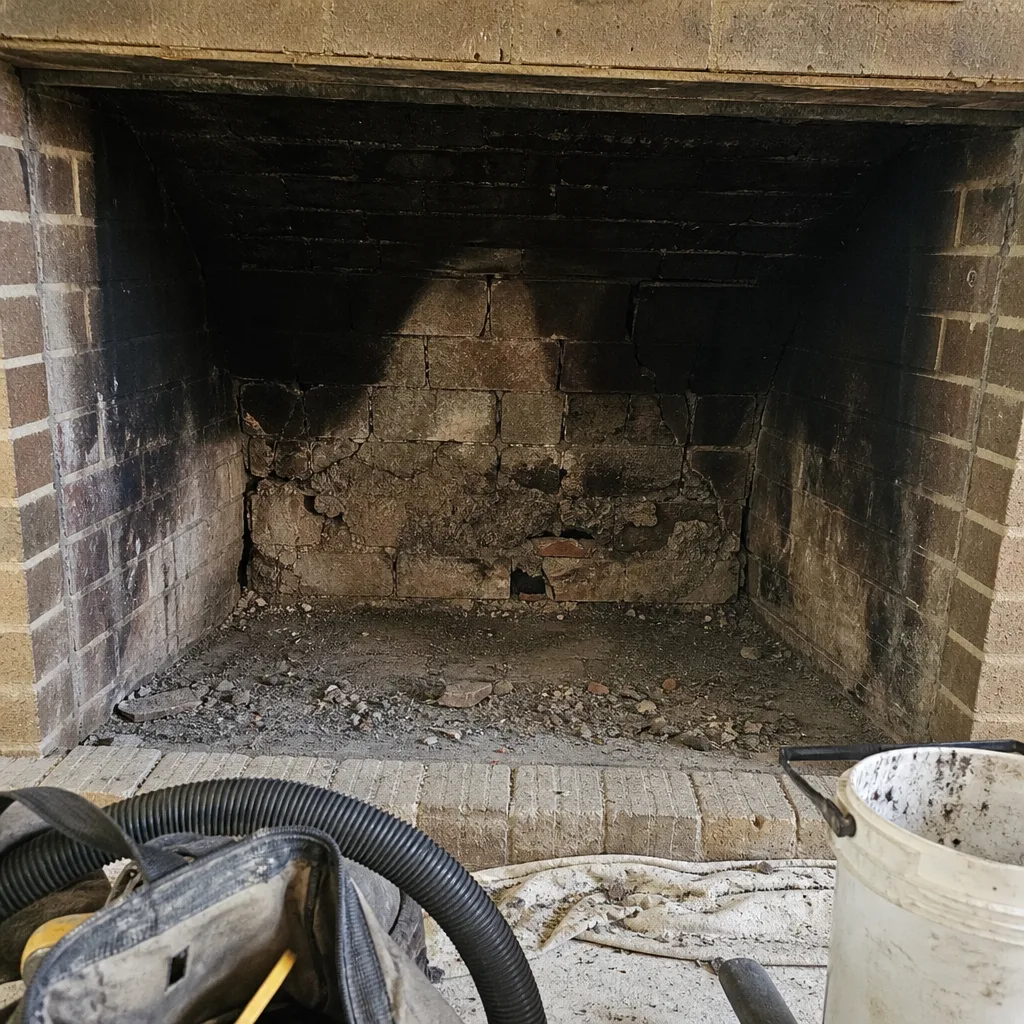 Before
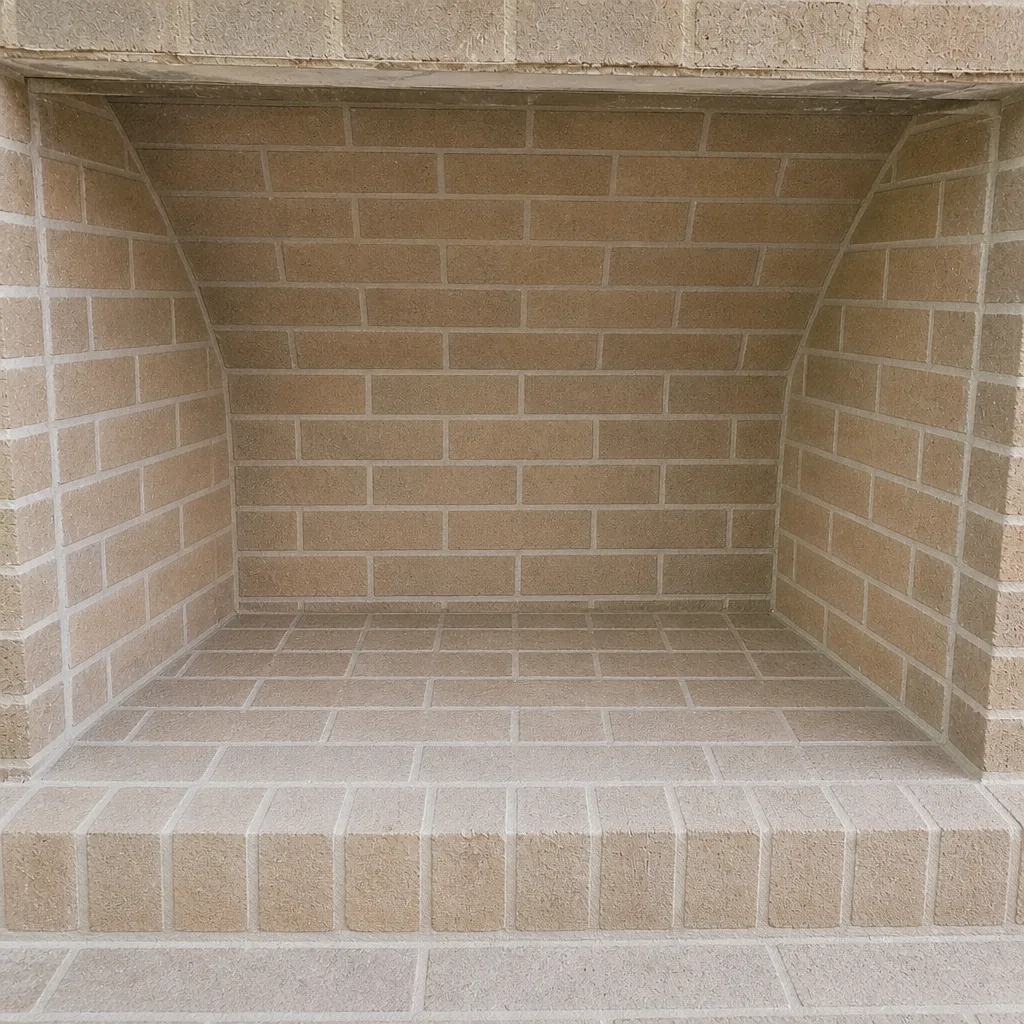 After
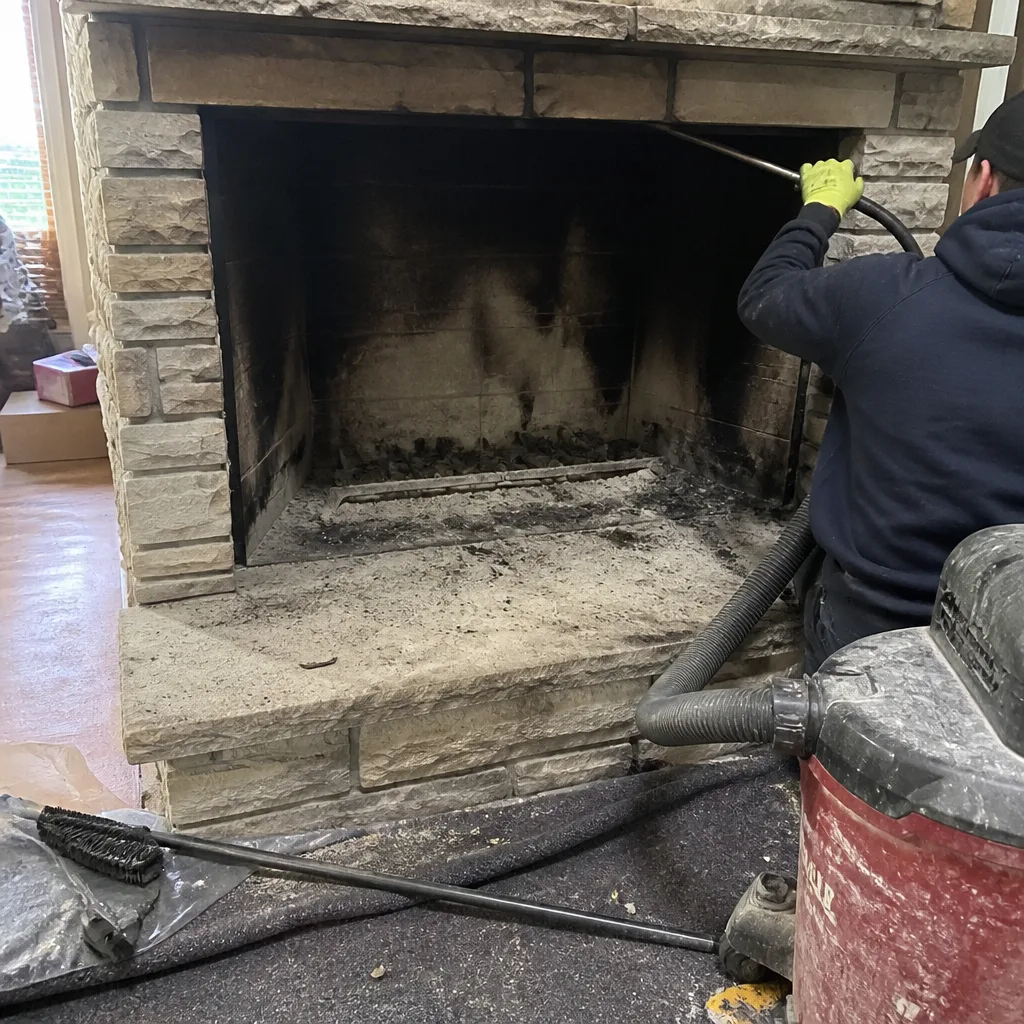 Before
 After
 Before
 After
When to Call a Professional
Call a professional if you’ve had a chimney fire, even a small one, or if you suspect one. Call if smoke rolls into the room, if a CO alarm sounds in a home with a fireplace, or if you see structural damage after a storm. Tallahassee gets enough tropical weather that “check the chimney before the first burn after a storm” is a standing rule, not a one-off. Call if you’ve bought a home and have no record of an inspection, or if it’s been several years since the last sweep. And call if you’re not sure whether something is an emergency. Tallahassee Chimney Sweep offers free estimates in Tallahassee. Call (855) 904-4110. We answer 24/7. Fast dispatch from 7am to 7pm, Sunday through Friday.
Frequently Asked Questions
A chimney sweep in Tallahassee is typically priced per job, with the exact price set by a written estimate before we book, and the estimate itself is free. The price depends on the flue configuration, the creosote load, and whether an inspection is bundled in. There’s no fee for the estimate, and the written estimate sets the final price. Call (855) 904-4110 for an exact quote, estimates are free.
A chimney fire is combustion inside the flue, usually fed by creosote, and the response is to close the damper, get everyone out, and call 911. A post-storm blockage is debris, a shifted cap, or damaged masonry that prevents proper venting, and the response is to keep the fire unlit and get an inspection before burning. They both raise carbon monoxide risk, but the first-minute response is different. Call (855) 904-4110 to book the inspection, estimates are free.
Not always. A liner needs replacing when inspection shows it’s cracked, warped, or otherwise compromised, and it can be resurfaced with HeatShield when the damage is repairable. What matters is that the recommendation comes from evidence, not a sales pitch. If the flue is intact, we say so. Call (855) 904-4110 for an inspection with a written report you can read for yourself, estimates are free.
A chimney used for wood should generally be swept before each burning season, and more often if you burn heavily or notice a heavy creosote load at inspection. Gas fireplaces still need an inspection on a routine schedule, since the flue and venting can fail without the soot clues a wood fire leaves. The right schedule comes from the inspection, not a fixed rule. Call (855) 904-4110 to book a sweep, estimates are free.
Skipping an inspection means a creosote load, a cracked liner, or a post-storm blockage can go unnoticed until it causes a fire or a carbon monoxide event. The whole point of the inspection is to catch those conditions while they’re still fixable and while the repair can be scheduled rather than rushed. Call (855) 904-4110 if it’s been several years, estimates are free.
Place CO detectors on every level of the home, outside each sleeping area, and in or just outside the room with the fireplace. The last placement is the one most homes miss, and it’s the one that gives an early signal from a flue problem. Follow the manufacturer’s mounting instructions for wall versus ceiling placement. Call (855) 904-4110 if you want the fireplace and flue checked alongside your detector plan, estimates are free.
The Bottom Line
Chimney emergency preparedness in Tallahassee comes down to two plans and one habit. The first plan is for a chimney fire: close the damper, get everyone out, call 911, and don’t put water on it. The second is for a storm: check the cap and firebox from the ground, keep the fire unlit, and get an inspection before the first burn. The habit is the pre-season sweep and inspection that catches the creosote load and flue condition before either emergency happens. Place your CO detectors to cover the fireplace room, document any damage for insurance before you clean up, and call us when something looks wrong.
We handle sweeping, repair, and inspection as a chimney-only specialist, working with professional-grade brands like DuraFlex, HeatShield, Gelco, Olympia Chimney, Famco, and Copperfield, so the fix matches the problem. Before we recommend a repair, we inspect. Before we inspect, we listen. One call covers every part of your chimney system.
Call (855) 904-4110 for a free estimate. We answer 24/7. Fast dispatch from 7am to 7pm, Sunday through Friday. Estimates are free, the price is set per job by the written estimate, and we’ll tell you plainly when work can safely wait.
Written by the team at Tallahassee Chimney Sweep.