
Last updated November 15, 2026
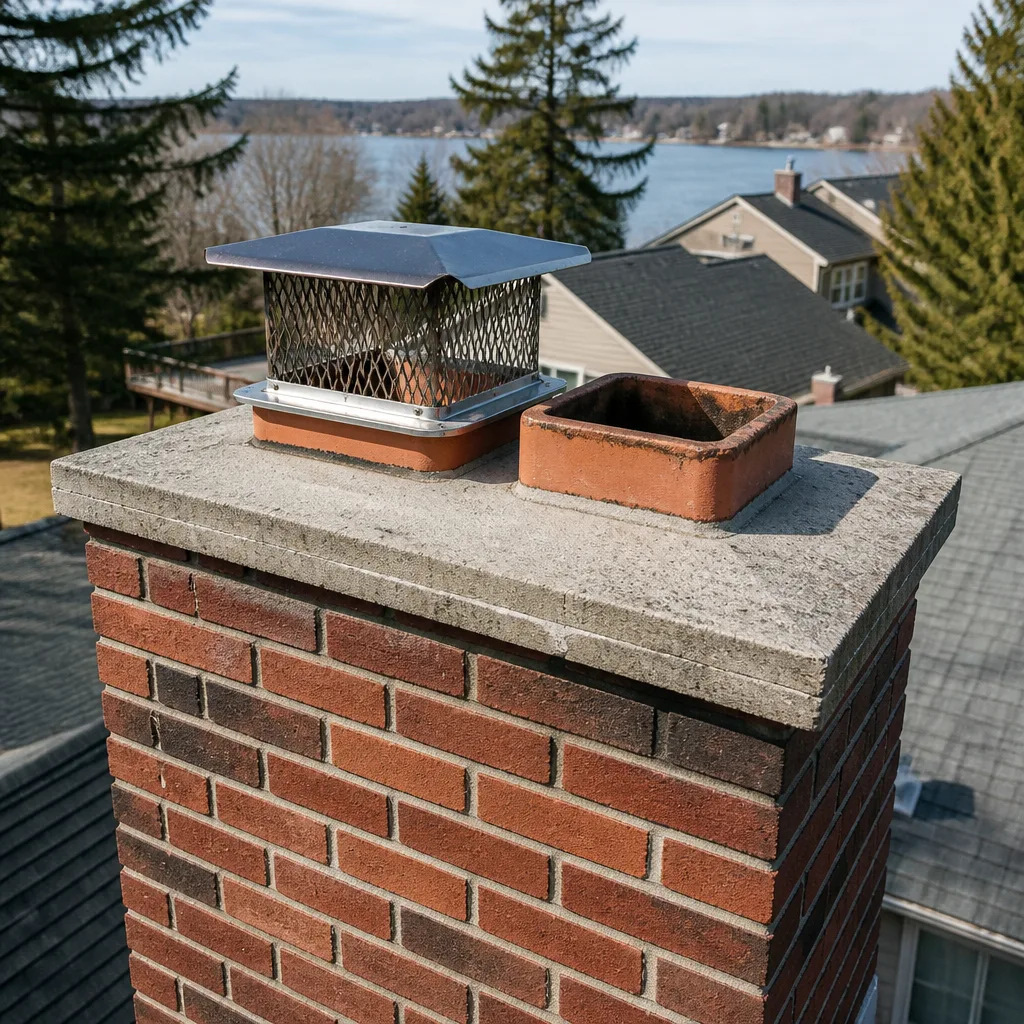 Sweep & inspection
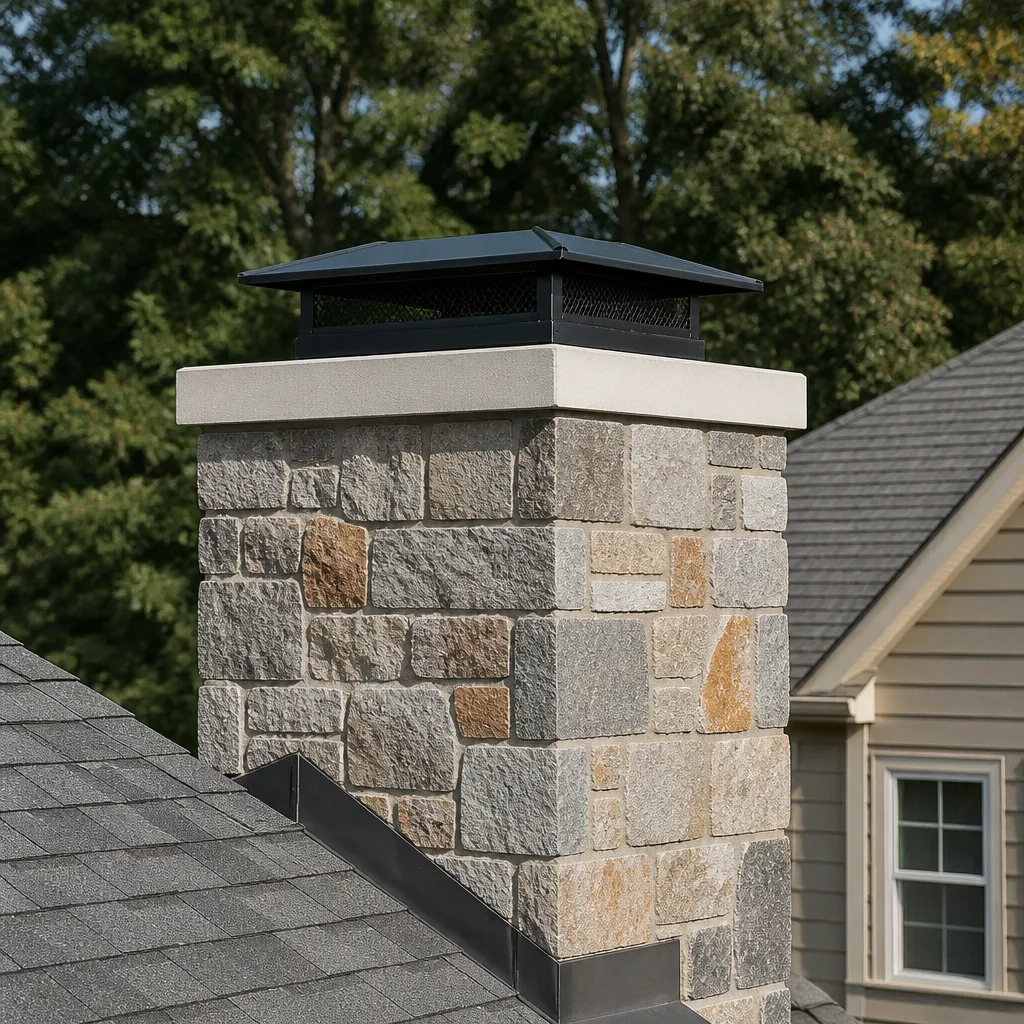 Caps & crowns
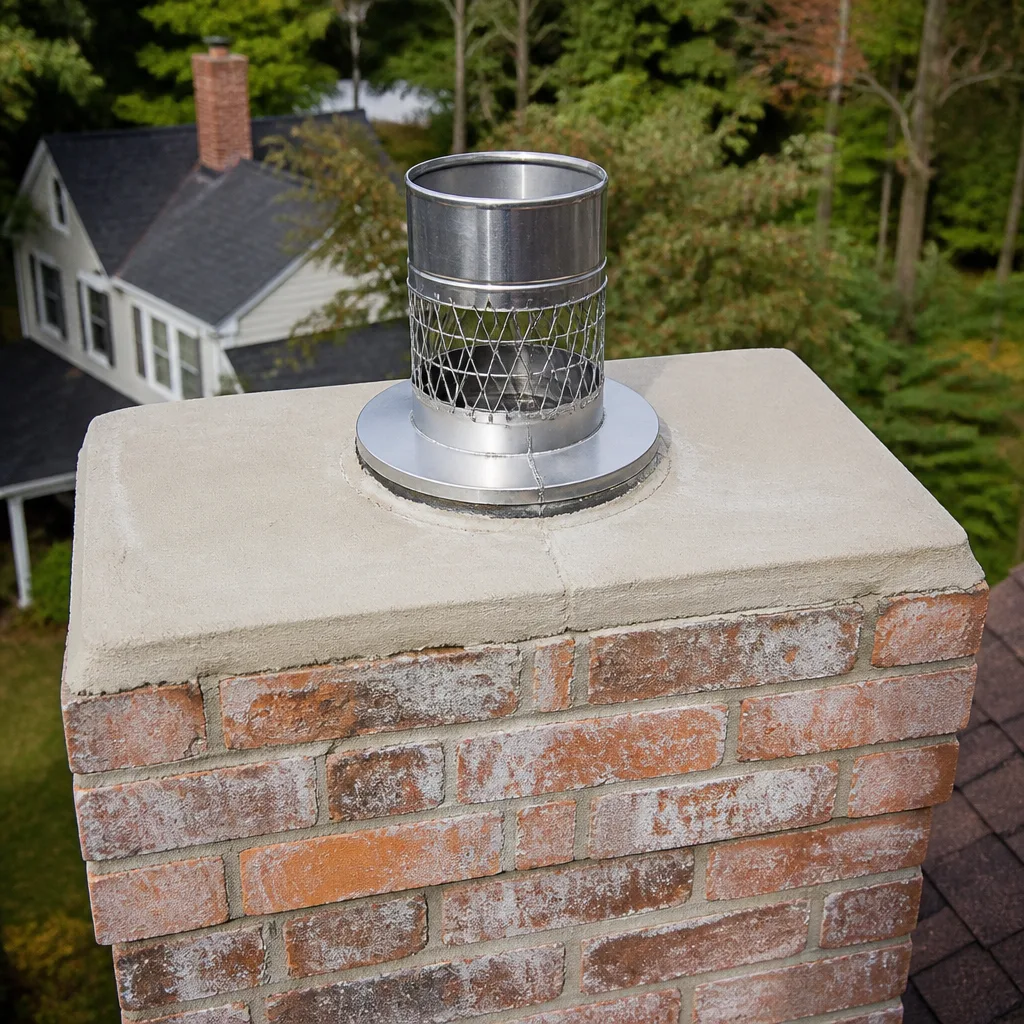 Flue relining
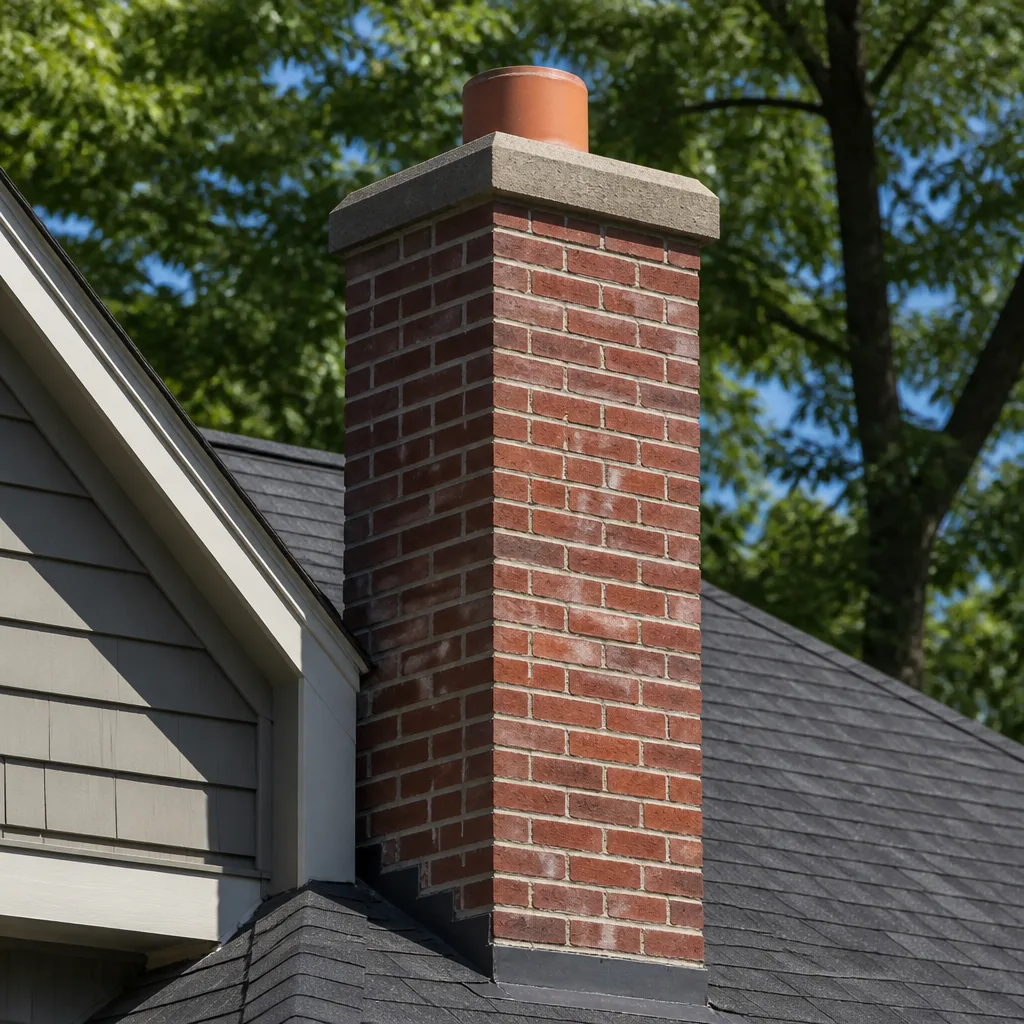 Masonry repair
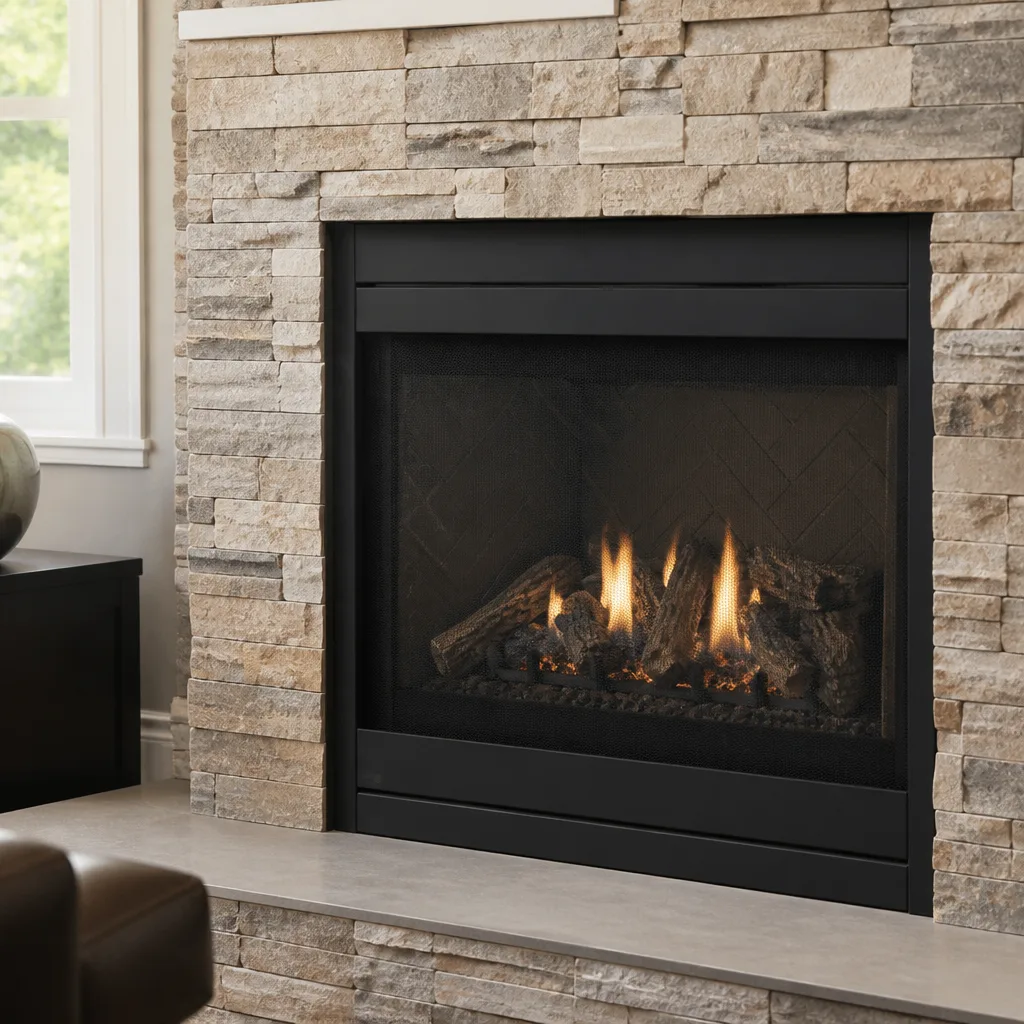 Gas fireplace service
Level 1 sweep and inspection to the NFPA 211 annual standard - flue, crown, cap, and flashing checked and photographed
Chimney sweep logs do not sweep chimneys. They loosen some creosote - which then falls where a brush and vacuum still have to collect it.
Chimney Sweep Maintenance Schedule: What to Do and When
If you’re scheduling your chimney sweep in December like everyone else, you’re doing it at the worst possible time. By then Tallahassee’s short burn season is already underway, the first cool evenings have come and gone, and the sweep who could have caught a cracked flue in September is now booked out for weeks. Chimney wear here isn’t driven by months of hard burning the way it is up north. It’s driven by sporadic use, long humid summers, and the way a flue behaves when it sits sealed and untouched from March to November. This guide lays out a maintenance calendar built around North Florida’s real fire season, not a generic national template.
Quick Answer
Get your chimney swept and inspected in September, before Tallahassee’s mid-November-to-February burn season begins, and book it every year if you burn wood at all. Occasional wood burners can stretch to every second or third year if a professional inspection says the flue is clear, but gas insert users still need an annual inspection even though there’s no creosote to sweep. The one thing you shouldn’t do is wait until December, when the season is already running and every sweep in town is booked.
Styles & brands we work with
- Sweep & inspection
- Caps & crowns
- Flue relining
- Masonry repair
- Gas fireplace service
Table of Contents
- Why the Standard Annual Schedule Doesn’t Fit Tallahassee
- The Tallahassee Month-by-Month Chimney Calendar
- Why September Is the Best Month to Book a Sweep
- Matching Your Schedule to How You Actually Burn
- What You Can Check Yourself Between Professional Visits
- What Happens to a Chimney Left Untouched Through Summer
- Level 1 vs. Level 2 Inspections: What Each One Covers
- Common Mistakes to Avoid
Why the Standard Annual Schedule Doesn’t Fit Tallahassee
Most chimney maintenance advice is written for a climate with a five-month heating season. Tallahassee doesn’t have one. Our burn season runs roughly mid-November to February, and even inside that window many households light a fire a few evenings a week rather than every night. That changes the math on creosote. Instead of accumulating steadily through a long cold stretch, deposits here build in short concentrated bursts, then sit in a warm, humid flue for eight or nine months.
The result is a pattern we see over and over in Tallahassee homes. A chimney that looked fine at the end of February can show rust on the damper, a loosened cap, or a nesting animal by the time September arrives. None of that is a sweeping problem. It’s a storage problem, and it’s specific to a climate where the chimney spends three quarters of the year doing nothing in high humidity.
A pre-winter check gives you a sweep. A pre-season check gives you something more useful: the chance to fix what summer did before it matters. The timeline is also different. National guides tell you to book in late summer, which is good advice, but they don’t say why it matters more here. Tallahassee’s first genuinely cool evenings come on fast in November, and once the season starts, appointments fill. The window where a sweep can do the most good, and where scheduling is easiest, is the one most homeowners miss.
- Short season, high humidity: creosote accumulates in bursts, then ages in warm, moist air.
- Sporadic use: a chimney that runs a few evenings a week cools and reheats repeatedly, which is harder on joints than steady burning.
- Long dormant stretch: nine months of inactivity is when caps loosen, crowns weather, and wildlife moves in.
For a closer look at what a proper visit involves, our chimney sweep page covers the process from first walk-in to final photo report.
The Tallahassee Month-by-Month Chimney Calendar
A useful maintenance schedule for Tallahassee looks nothing like a national template. Here’s what actually needs to happen and when, month by month, from the end of one season to the start of the next.
- March: Last fires of the season. Note anything odd while you can still see it in use: smoke rolling back into the room, a damper that sticks, a smell that lingers after a fire burns down.
- April: Close the flue, remove ash, and do a quick ground-level look at the cap and crown. This is also the month for a post-season sweep if you burned heavily, so creosote doesn’t sit through the humid months.
- May through August: The dormant months. Watch for rust on the firebox, water stains at the chimney breast, or scratching and droppings that suggest animals have moved in. Nothing here needs a sweep. Some of it needs repair.
- September: Book the annual sweep and inspection. This is the single most important line on the calendar. Anything found now can be fixed before the season starts.
- October: Get repairs done. Caps, crowns, dampers, and liners all need to be sorted before the first fire, not after. This is when a repair backlog is still manageable.
- November: Season opens mid-month for most households. Run the first fire or two carefully and pay attention to draft, smell, and smoke.
- December through February: Burn season. Sweep mid-season only if you’re burning heavily and the flue is sooting up. Otherwise enjoy it and log what you notice.
Every household drifts from this calendar, and that’s fine. What matters is that September stays where it is, and that repair work doesn’t get pushed past October. If your chimney is already showing signs of trouble, chimney repair is the next conversation to have, and it’s better had before the first freeze-free evening of the season, when the schedule tightens.
Why September Is the Best Month to Book a Sweep
September is the optimal service window in Tallahassee because it sits between two things: the end of summer’s humidity and the start of the burn season in mid-November. A sweep done in September evaluates a flue that has just been through its hardest stretch of the year, and it leaves six full weeks to schedule any repair before you want a fire.
Here’s what that timing actually buys you.
- You see summer damage at its worst. Rust, loosened cap screws, a hairline crack in the crown, an animal nest torn apart at the top of the flue. All of it is visible in September and easy to fix in October.
- Repair scheduling is easier. A liner replacement or a crown rebuild takes a slot on a schedule. In September that slot is open. In December it’s competing with every homeowner who just found a problem.
- The flue is dry. Sweeping a damp flue in the middle of a humid stretch doesn’t clean as well as sweeping a dry one. By September the worst of the moisture has lifted.
- You get a baseline before you burn. A September inspection tells you what condition your system is in before a season of use changes the answer.
December is the other end of the curve. That’s when the phone lines peak, when the first smoke problem shows up, and when the sweep can only tell you what’s wrong rather than preventing it. If you burned last winter without a sweep, September is the month to catch up.
Matching Your Schedule to How You Actually Burn
There’s no single correct interval. Creosote accumulation depends on what you burn, how hot you burn it, and how often. A homeowner who lights two fires a week in January is in a different category from someone running a fire most evenings from November through February. Three rough profiles cover most Tallahassee households.
The occasional wood burner
If you light a fire a few times a month during the season, or less, and you burn well-seasoned hardwood with a hot fire, annual sweeping is often more than you need. An annual inspection stays non-negotiable. The sweep itself can often go every second or third year, but only on the strength of a professional inspection that confirms the flue is clear. Don’t decide this yourself from the ground. You can’t see the inside of a flue from the outside, and a light deposit at the top tells you nothing about the sections below.
The frequent wood burner
If you run a fire most evenings through the season, especially if you burn unseasoned wood or damp wood, sweep every year and consider a mid-season check. Cool flue gases and incomplete combustion are what produce creosote, and a fire that’s damped down overnight produces the most. Frequent burners should also have the flue inspected for glazing, a hard, shiny deposit that doesn’t respond to a standard brush. Glazed creosote is a fire risk and needs a different treatment than a routine sweep.
The gas insert user
Gas inserts don’t produce creosote, so there’s nothing to sweep. They still need an annual inspection. Gas appliances can develop blockages, corrosion, or venting problems that won’t announce themselves with smoke or smell. The venting and cap assembly should be checked, seals should be confirmed, and the appliance and its connections should be looked at by someone who knows what to look for. Olympia Chimney venting components and properly fitted Famco caps are what we use when a gas venting assembly needs replacing, because generic hardware doesn’t hold up the same way in a humid climate.
What You Can Check Yourself Between Professional Visits
Several parts of chimney maintenance are genuinely homeowner-friendly, and none of them involve climbing onto the roof. Do them from the ground or from inside the house, monthly during the season and again in early spring.
- Look at the cap from the ground. Binoculars help. You want to see the cap sitting level and attached. A cap that’s tilted, missing screws, or visibly bent is a call-us item.
- Check the crown for cracks. The crown is the concrete or masonry slab at the top of the chimney that sheds water. Hairline cracks are common and not urgent. Wide cracks, missing chunks, or a crown that’s pulling away from the flue is a genuine problem, because water gets in and finds its way down.
- Watch for water stains inside. Brown streaks on the chimney breast, white chalky deposits on the firebox brick, or a damp smell after heavy rain all point to water getting in somewhere above.
- Check the damper. It should open and close fully and sit flush when closed. If it sticks or won’t seal, note it for the next visit.
- Listen and look for animals. Scratching, chirping, or nesting material visible at the top of the firebox means something is living in the flue. Don’t light a fire until it’s been cleared.
- Watch the first fire of the season. Smoke rolling into the room rather than going up, a strong smell that doesn’t clear, or a fire that’s hard to keep lit all suggest a draft or blockage problem.
What you shouldn’t do is open up the firebox, poke at the liner, or try to clean the flue yourself. The flue is the one part of the system that demands a trained eye and the right tools. We use DuraFlex liner systems whenever a liner needs replacing because the fit and the connection are what keep the system working. A liner that’s been improvised or poorly fitted is worse than the old one.
What Happens to a Chimney Left Untouched Through Summer
Tallahassee’s summers are long, hot, and humid, and they do real work on a chimney that sits sealed and unchecked from March to November. The damage isn’t dramatic. It’s slow, and most of it is invisible until you look.
Moisture cycling. Warm humid air moves through the flue and condenses on cooler surfaces. Brick and mortar absorb some of that moisture and release it slowly. Over a full summer, that cycle loosens mortar joints, softens the crown, and creates the conditions for spalling, where the face of a brick flakes away. A cracked crown makes it worse, because it gives water a direct path in.
Liner movement. Metal liners expand and contract with temperature. A stainless liner properly installed with the right clearances handles that movement. An older liner, or one fitted without proper support, can shift slightly over a long dormant stretch. That’s why the annual inspection checks the liner’s fit and its connection at the top and bottom, not just whether it’s dirty.
Animal intrusion. An uncapped or loosely capped flue is an open door. Birds, squirrels, and raccoons all find chimneys inviting. A nest blocks the flue, and a blocked flue is a carbon monoxide problem the moment you light a fire. A properly fitted cap is the single best protection, which is why we use Famco and Gelco caps rather than whatever’s on the shelf. They fit, they seal, and they last.
Rust and corrosion. Dampers, damper frames, and metal components in the firebox all corrode faster in high humidity. A damper that worked smoothly in February can be stiff or seized by September.
None of this argues for doing anything dramatic over the summer. It argues for two things: a good cap, and a September inspection that catches the rest.
Level 1 vs. Level 2 Inspections: What Each One Covers
A chimney inspection is not a sweep, and the two levels you’re most likely to encounter do different jobs. Knowing which one you need saves you from paying for work you don’t need and, more importantly, from skipping work you do.
Level 1 inspection
A Level 1 inspection covers the readily accessible parts of the system: the firebox, the damper, the flue as far as it can be seen, and the exterior from the ground or a ladder. It’s the standard annual inspection for a chimney that’s in regular use, hasn’t changed, and isn’t showing problems. It’s usually done alongside a sweep, and it’s what most Tallahassee homeowners need every year.
Level 2 inspection
A Level 2 inspection goes further. It includes everything in a Level 1 plus a closer look at accessible sections of the flue, the attic and crawl spaces where the chimney passes through, and the connections to the appliance. It’s the inspection you want when something has changed: a new home purchase, a change of fuel type, a new appliance, a chimney fire, an earthquake or other event that could have damaged the structure, or a persistent problem nobody can explain. If you’ve just bought a house in Tallahassee and don’t know the chimney’s history, a Level 2 inspection is the honest starting point. The written report it produces is also useful for insurance and for your own records.
What a proper annual visit should include
- A sweep of the flue with the right brush for the flue type
- An inspection of the firebox, damper, smoke chamber, and flue
- A look at the cap, crown, flashing, and exterior from the ground or roof
- Photos of anything that needs attention, so you can see it yourself
- A written summary of the system’s condition
- A clear distinction between what needs fixing now, what can wait, and what isn’t a problem at all
Sweep, inspect, and repair all belong to the same specialist. When a sweep and an inspection and a repair all come from one place, nothing gets lost between them. If you’re searching for a provider in Tallahassee, look for one that covers all three rather than referring the other two out.
Common Mistakes to Avoid
- Booking in December. It’s the busiest month of the year and the season is already running. A December sweep can only tell you what’s wrong. A September sweep gives you time to fix it.
- Skipping the inspection because the sweep looked clean. A clean flue is not a safe flue. Cracks, loosened connections, and crown damage don’t show up as soot, and only an inspection finds them.
- Assuming a gas insert needs no maintenance. There’s no creosote to sweep, but venting, seals, and the appliance itself all need an annual look. Gas problems don’t announce themselves with smoke.
- Deciding your own sweep interval from the ground. What you can see from the driveway tells you almost nothing about the flue. Let an inspection set the interval, not a visual guess.
- Putting off cap repairs into the rainy season. A loose cap in October becomes a water problem by January. Caps are cheap to fix and expensive to ignore in a climate this wet.
- Burning unseasoned wood to stretch the woodpile. Damp wood burns cool, produces more creosote, and is the single biggest driver of the deposits a sweep has to remove.
- Treating a chimney fire as a near miss. Even a small one can crack a liner or damage the chimney structure. Any chimney fire means a Level 2 inspection before the next fire.
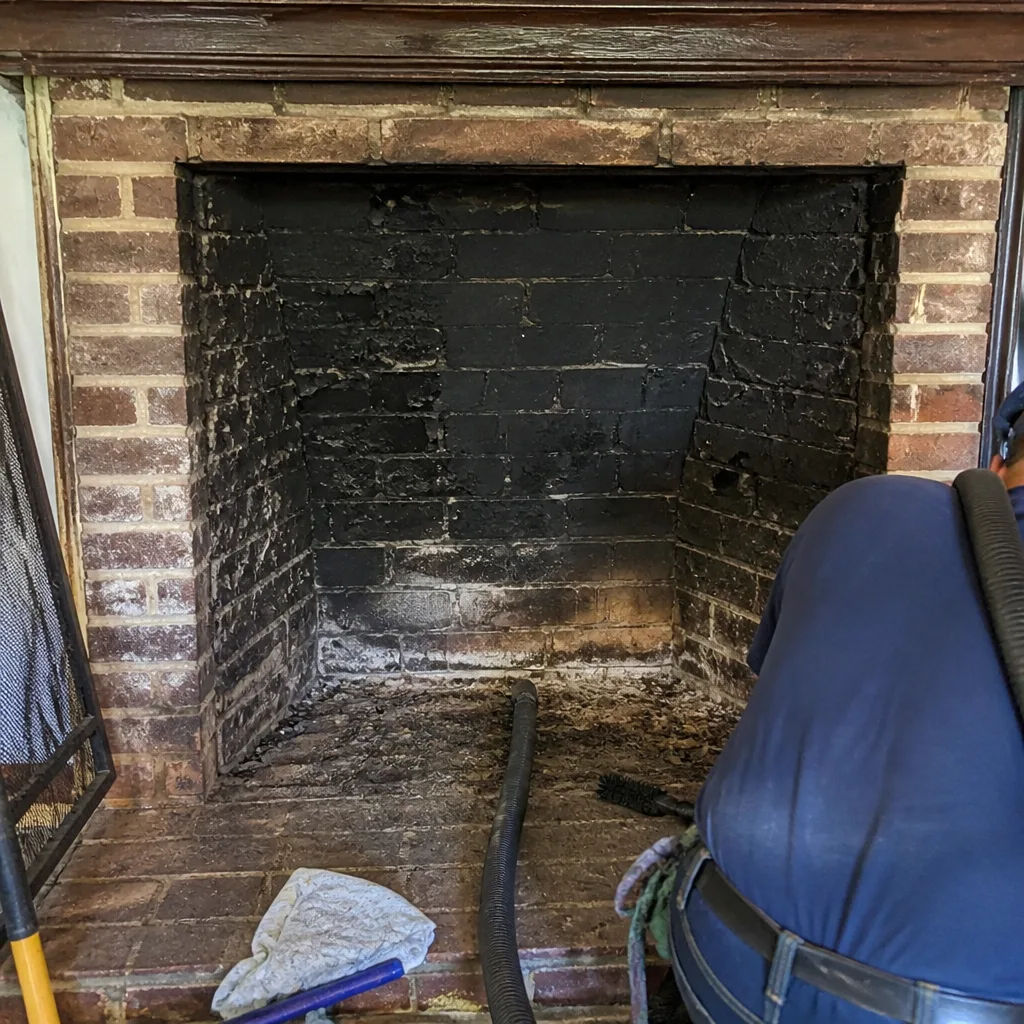
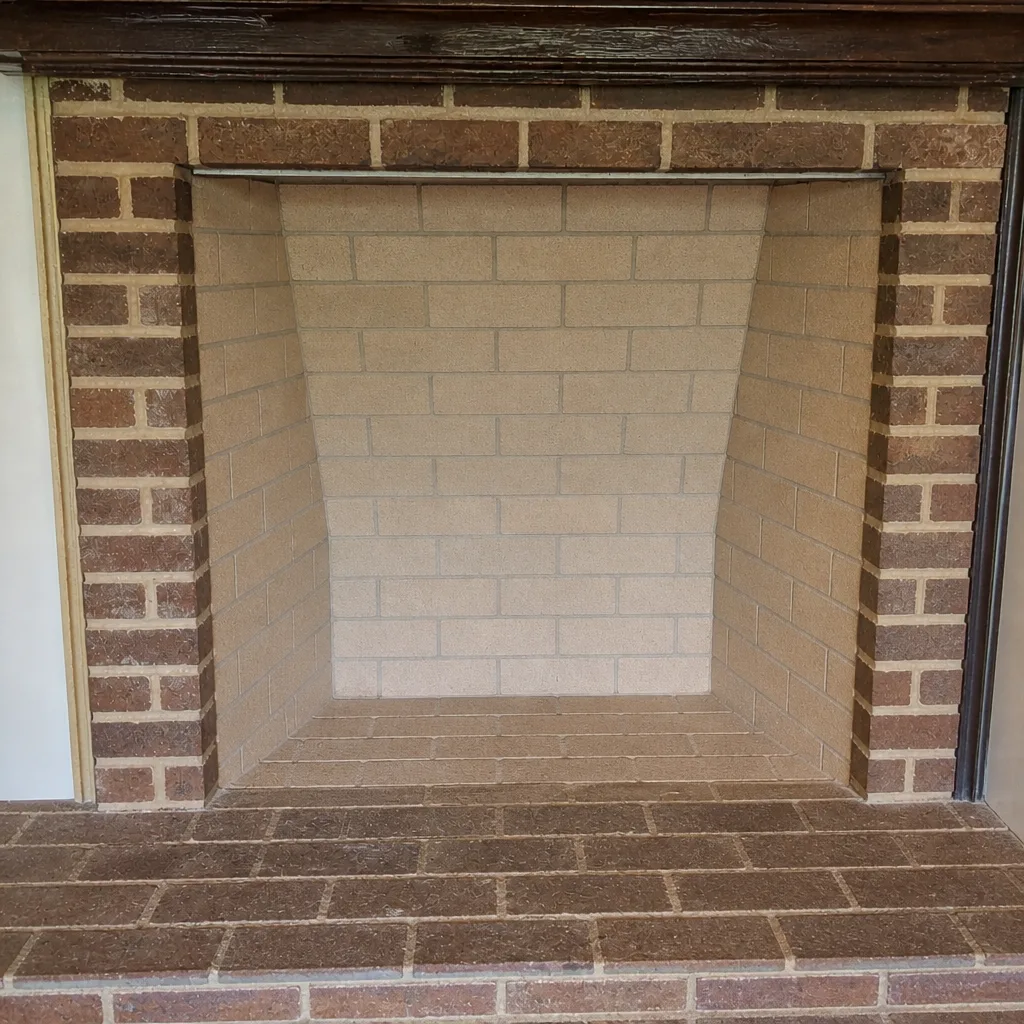
See the difference
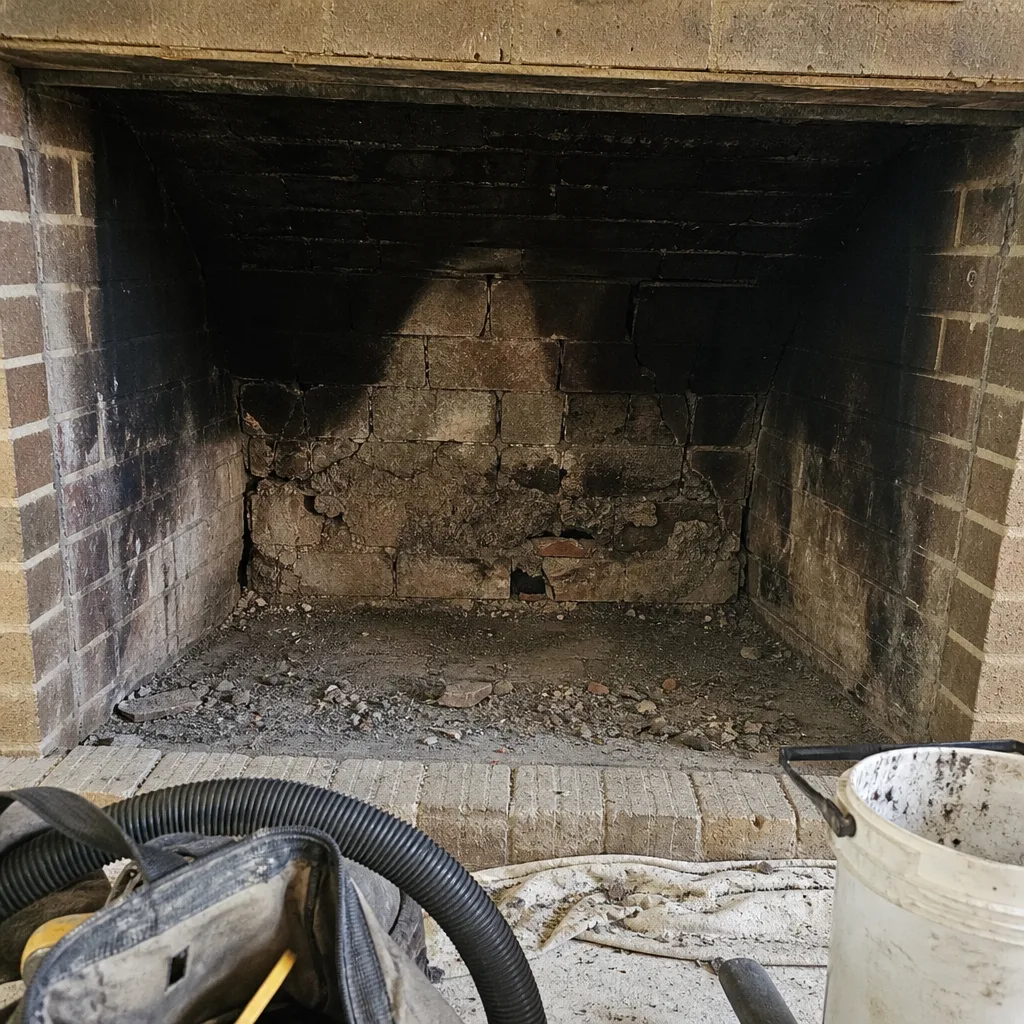 Before
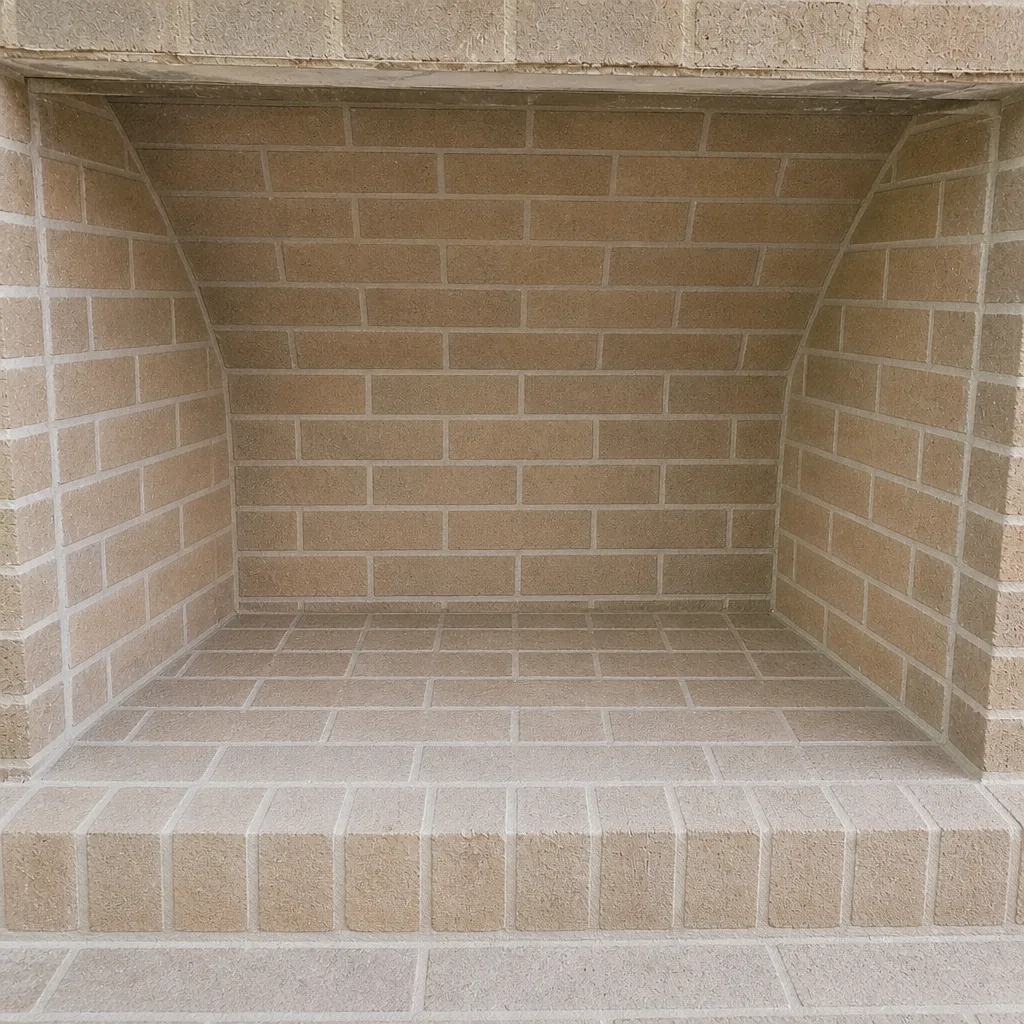 After
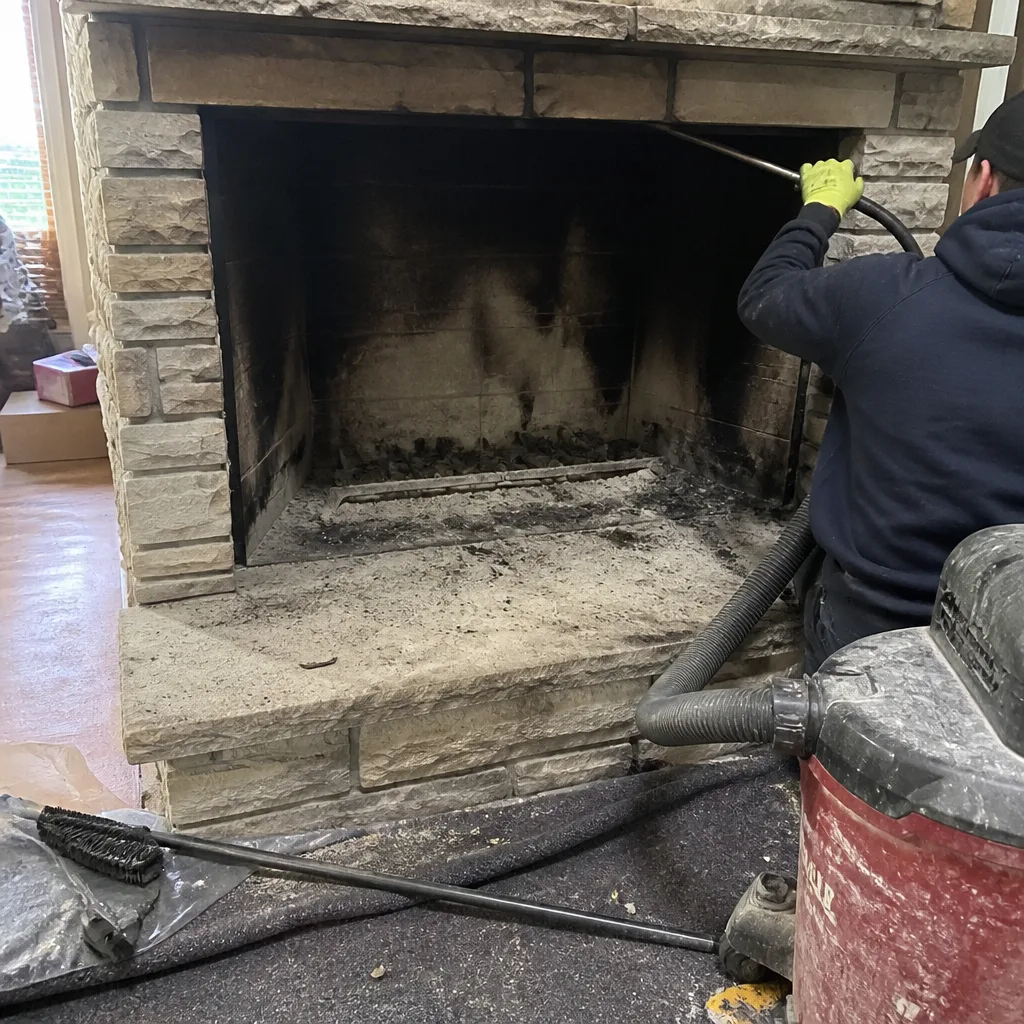 Before
 After
 Before
 After
When to Call a Professional
Call a professional if you’ve never had the chimney inspected, if it’s been more than a year since the last visit, or if you’ve just bought a home and don’t know the system’s history. Call sooner if you’ve had a chimney fire, if smoke rolls back into the room, if you smell a strong odor when the chimney isn’t in use, if you see water stains or white chalky deposits near the firebox, or if you hear or see signs of animals in the flue. Don’t light a fire on a hunch. Tallahassee Chimney Sweep offers free estimates in Tallahassee. Call (855) 904-4110. We answer 24/7. Fast dispatch from 7am to 7pm, Sunday through Friday. Our technicians have up to 14 years of experience, and every recommendation comes with photos you can look at yourself.
Frequently Asked Questions
Once a year if you burn wood regularly, and every second or third year for occasional burners, provided an annual inspection confirms the flue is clear. Gas insert users skip the sweep but still need an annual inspection. The inspection, not the calendar alone, should set the interval. Call (855) 904-4110 for an exact quote; estimates are free.
September is the best month, because it falls after the humid summer and before the mid-November start of the burn season. A September sweep evaluates the flue after its hardest stretch of the year and leaves six weeks to complete any repair. October works too, but December is the worst choice. Call (855) 904-4110 for an exact quote; estimates are free.
Yes, an annual inspection is worth it even with light use, because most chimney problems in Tallahassee come from summer neglect and moisture rather than from burning. Creosote isn’t the only thing that goes wrong. Caps loosen, crowns crack, and animals move in. A light-use household can often skip the sweep itself, but not the inspection. Call (855) 904-4110 for an exact quote; estimates are free.
Creosote builds up, and a heavy deposit in the flue is a fire risk. Separately, an unchecked chimney spends several humid summers accumulating moisture damage, so you can end up with a cracked crown, a corroded damper, or a liner that needs replacing. Skipping maintenance doesn’t usually produce one big problem. It produces several small ones that cost more together than a sweep would have. Call (855) 904-4110 for an exact quote; estimates are free.
A sweep removes soot and creosote from the flue. An inspection evaluates the condition of the whole system: firebox, damper, flue, cap, crown, and exterior. A sweep tells you the flue is clean. An inspection tells you whether it’s safe. You want both, and there’s no reason to book them separately. Call (855) 904-4110 for an exact quote; estimates are free.
You can handle the ground-level checks: the cap, the crown, water stains, the damper, and signs of animals. The flue itself is a different matter. Proper cleaning needs the right brush for the flue type, and the liner and connections need a trained eye. A liner that’s been damaged during a DIY cleaning is a much bigger job than the cleaning would have been. Call (855) 904-4110 for an exact quote; estimates are free.
The Bottom Line
The right chimney maintenance schedule for a Tallahassee home is built around a short burn season and a long, humid off-season, not a national template. Book the annual sweep and inspection in September. Get any repair done in October. Keep an eye on the cap and crown yourself the rest of the year. Match your sweep interval to how you actually burn, and let a professional inspection set it rather than a guess from the driveway. Do that, and the season opens with a clean, safe flue instead of a problem you found out about too late.
Tallahassee Chimney Sweep handles sweeping, repair, and inspection under one roof, with professional-grade materials from DuraFlex, HeatShield, Gelco, Olympia Chimney, Famco, and Copperfield. If you’re ready to put your chimney on a schedule that fits this climate, call (855) 904-4110 for a free estimate. We answer 24/7. Fast dispatch from 7am to 7pm, Sunday through Friday.
Written by the team at Tallahassee Chimney Sweep.