
Last updated November 15, 2026
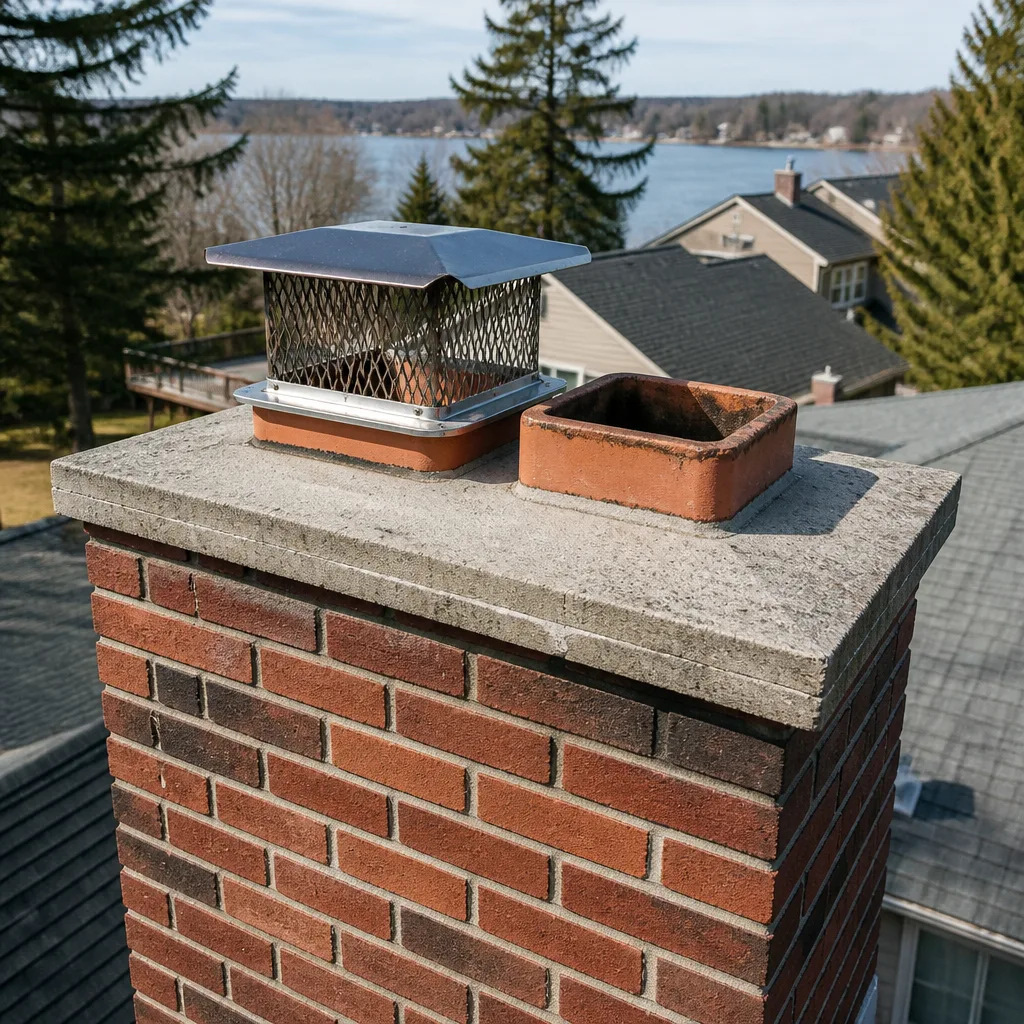 Sweep & inspection
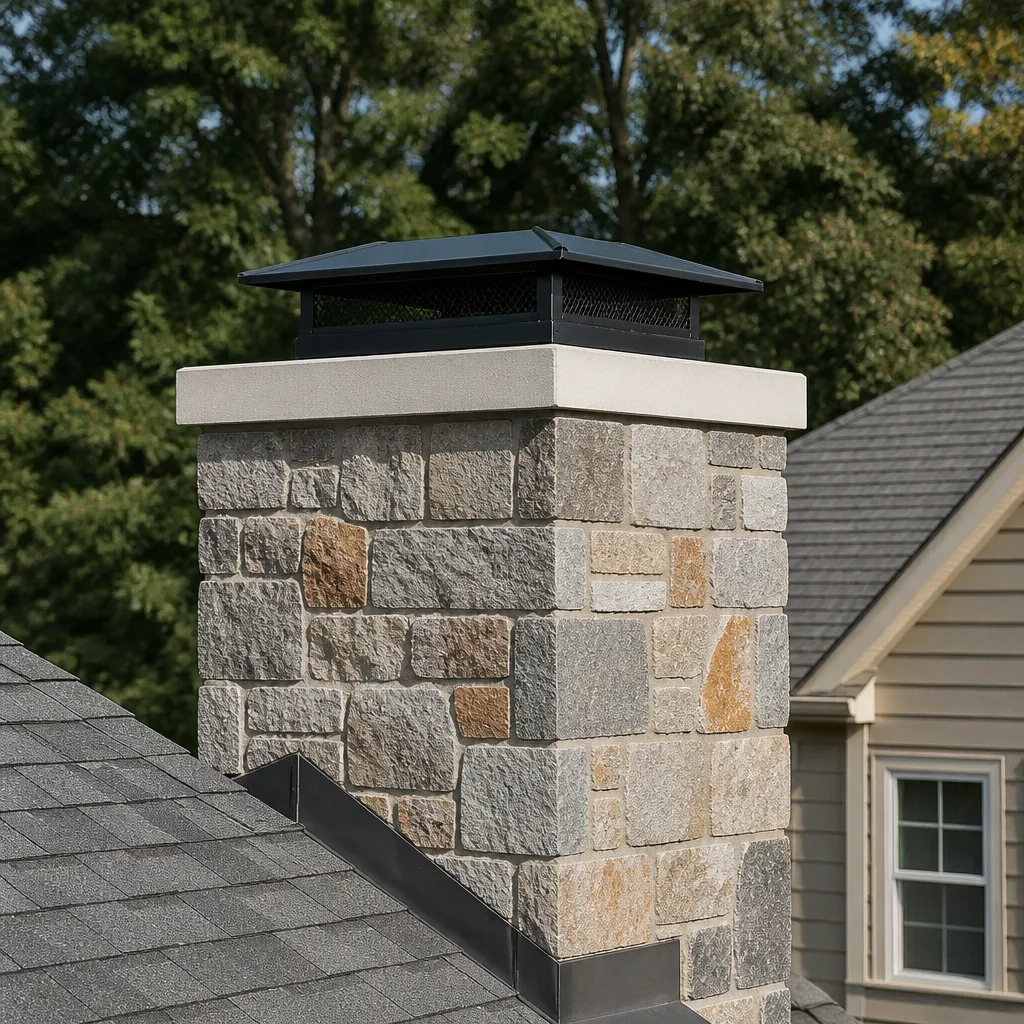 Caps & crowns
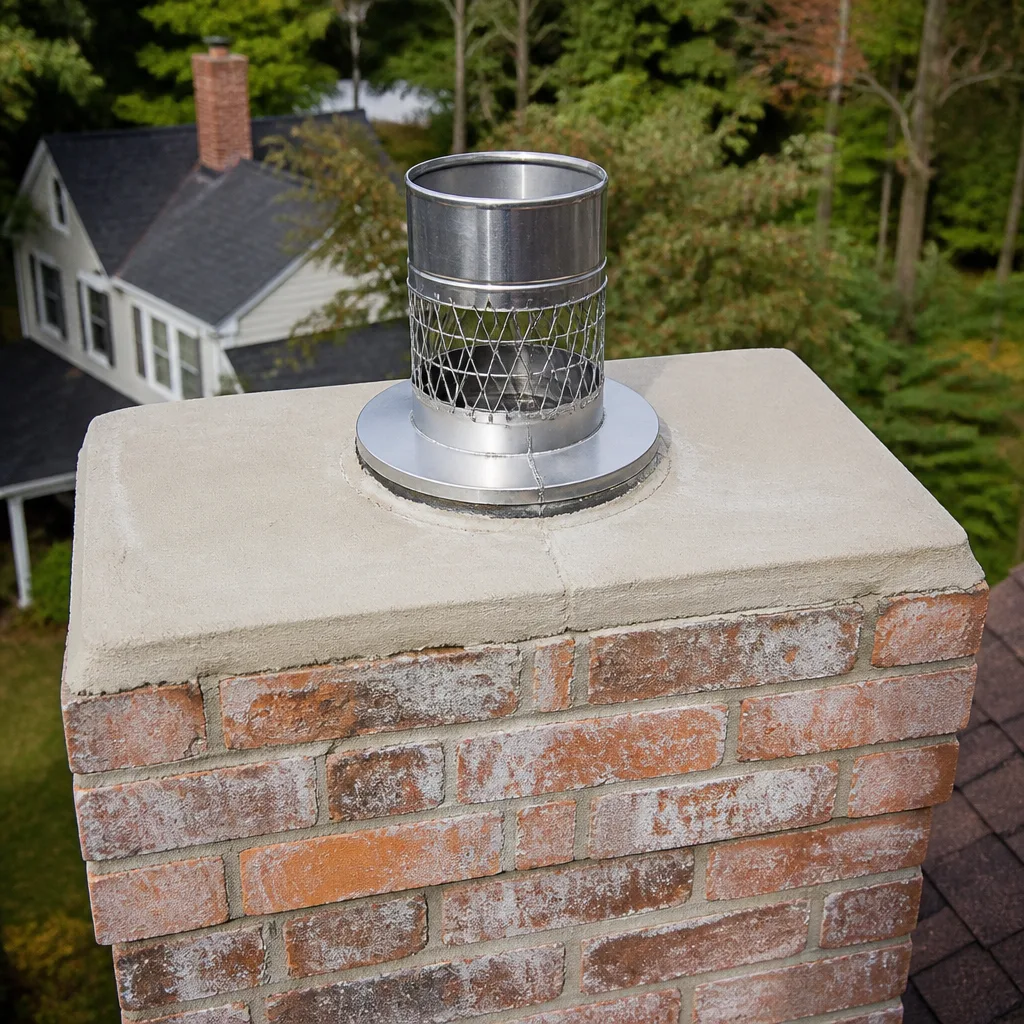 Flue relining
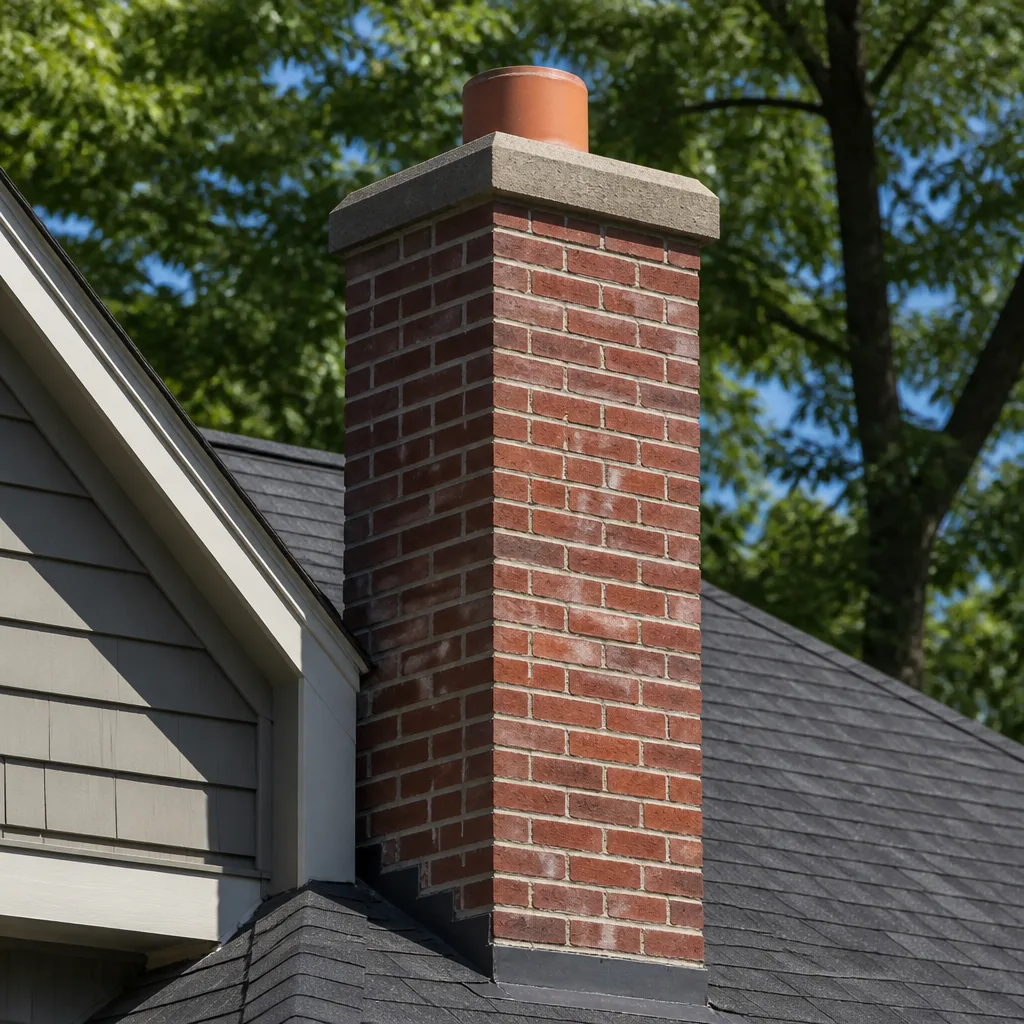 Masonry repair
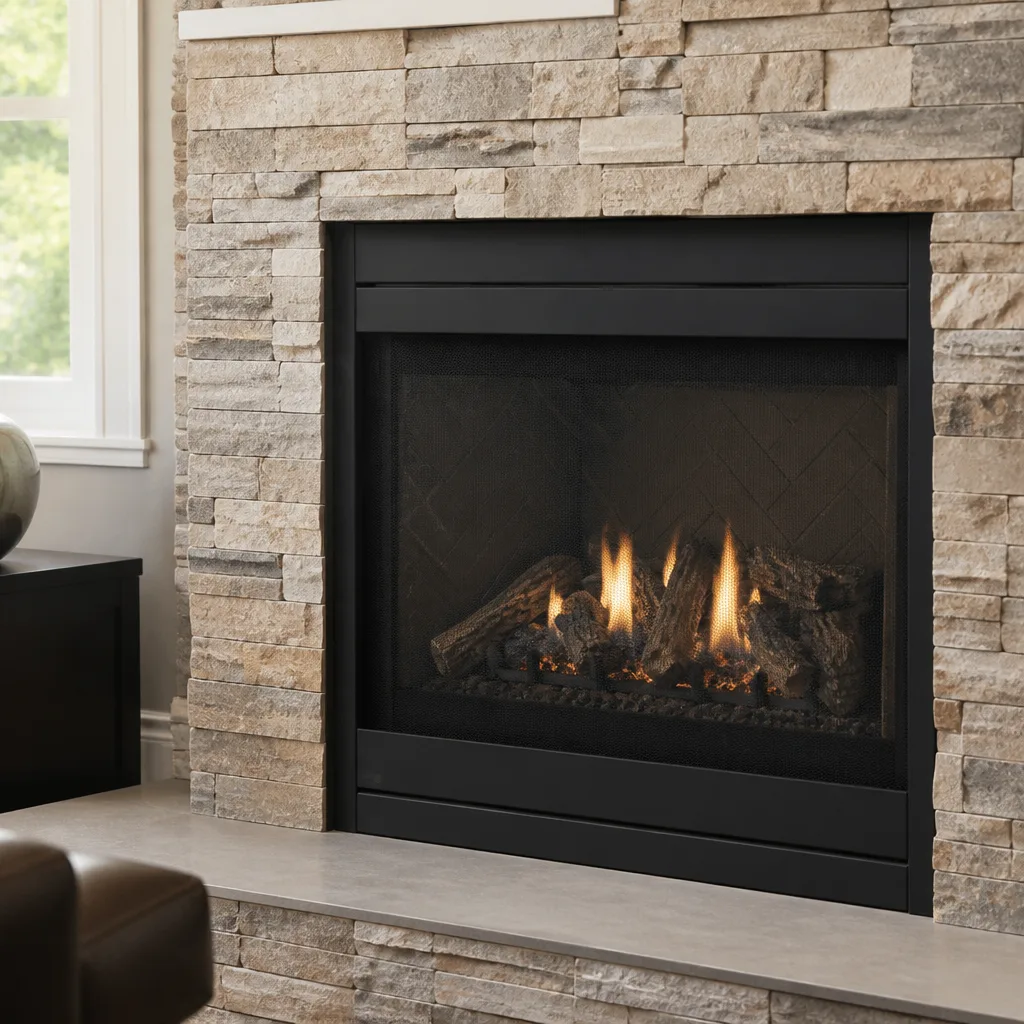 Gas fireplace service
Level 1 sweep and inspection to the NFPA 211 annual standard - flue, crown, cap, and flashing checked and photographed
Chimney sweep logs do not sweep chimneys. They loosen some creosote - which then falls where a brush and vacuum still have to collect it.
The Complete Guide to Chimney Cleaning in Tallahassee
Here’s something that surprises a lot of homeowners: a chimney used ten times a season can build up more dangerous creosote than one used fifty times. The reason is how you burn, not how often. Short, smoldering fires that limp along at low temperature leave behind far more unburned residue than a hot, active fire, and in Tallahassee that low-and-slow burn is exactly how most people use their fireplaces. A few fires on a cool evening, damp wood, the damper cracked to stretch the heat. This guide explains what that pattern does to your flue, why our mild climate changes the maintenance calendar, and how to tell a real cleaning from a quick brush-and-go.
Quick Answer
Chimney cleaning in Tallahassee should happen once a year for most wood-burning fireplaces, timed for late fall before the first fire and backed by a camera inspection that documents the flue’s condition. Our mild winters mean many homes burn lightly, which actually concentrates creosote rather than preventing it. A professional sweep removes that buildup, checks the liner and cap, and gives you a written record of the system’s condition.
Styles & brands we work with
- Sweep & inspection
- Caps & crowns
- Flue relining
- Masonry repair
- Gas fireplace service
Table of Contents
- Why Tallahassee Chimneys Age Differently
- What Is Creosote and Why Low-Use Fires Make It Worse
- The Wood You Burn Matters More Than You Think
- Cleaning vs. Inspection: You Need Both
- Older Brick vs. Newer Prefab: What We Check
- Summer Humidity and Liner Damage
- What a Professional Cleaning Actually Involves
- How Often Should You Schedule Cleaning?
Why Tallahassee Chimneys Age Differently
Most chimney advice you read online is written for cold-climate homeowners who burn steadily from October to April. That’s not how things work in Tallahassee. Here, a wood-burning fireplace is often a mood appliance more than a heating system, lit on the handful of genuinely chilly nights and left alone the rest of the year. That pattern has real consequences for how a flue ages.
The first is that creosote accumulates differently. A fire that burns hot and clean sends most of its byproducts up and out. A fire that smolders, because the wood is damp or the air control is choked down, deposits those byproducts on the flue walls. Light use combined with cool, humid air in the shoulder seasons is a recipe for sticky, glazed deposits rather than the dry, flaky soot many people picture.
The second is that problems go unnoticed longer. A homeowner burning every night tends to notice a change in draft or smell quickly. Someone burning a few times a year might not light a fire for months, which gives a small liner crack or a loose cap time to worsen quietly. When you finally do call for a chimney sweep, the inspection often turns up issues that a heavier user would have caught sooner.
The third is pest and moisture intrusion. With a mild climate and long stretches between fires, chimneys in Tallahassee sit idle in conditions that invite nesting birds, squirrels, and moisture. A proper cap and a pre-season inspection catch this before it becomes a blocked flue or a rusted damper. If you’ve recently bought a home in neighborhoods like Betton Hills or Killearn, an inspection is the fastest way to learn what you actually inherited.
What Is Creosote and Why Low-Use Fires Make It Worse
Creosote is the residue left behind when wood smoke cools on the inside of your flue. It comes in three forms, and each one is a progressively bigger problem.
- Stage 1: Soot and flaky creosote. Dry, powdery, and easily brushed away. This is what a routine cleaning handles without trouble.
- Stage 2: Crusty, brittle deposits. Harder, sometimes flaky but stuck tight to the flue wall. A standard brush removes some of it, but a professional sweep uses the right tools and technique to clear it thoroughly.
- Stage 3: Glazed creosote. Hard, shiny, and difficult to remove. This form is the most combustible, and it’s the reason a neglected flue becomes a fire hazard. It often needs chemical treatment or specialist removal before a standard sweep will work.
Here’s the counterintuitive part: stage 2 and stage 3 creosote form fastest in cool flues. When the fire burns hot, the flue heats up and smoke rises quickly, leaving less behind. When it smolders, the smoke lingers, cools against the flue wall, and sticks. So a homeowner who lights a small fire a dozen times a season, dampens it down to last, and never really gets the flue hot is actually accumulating the worst kind of creosote. That’s the exact pattern we see throughout Tallahassee.
If you notice a shiny, tar-like coating on your flue during an inspection, don’t ignore it. Glazed creosote is a genuine fire risk, and it’s the main reason a cleaning that got skipped for a few light-use seasons can turn into a bigger repair job. Call (855) 904-4110 and we’ll talk through what you’re seeing.
The Wood You Burn Matters More Than You Think
Tallahassee sits under a heavy pine canopy, and that shapes what firewood ends up in local fireplaces. Pine is abundant, cheap, and easy to come by. It’s also one of the worst choices for creosote buildup because it’s resinous and burns hot and fast, then leaves a gummy residue behind. Many homeowners mix pine with hardwood to stretch their supply, which is fine in moderation but not ideal as a steady diet.
What matters most isn’t the species so much as the moisture content. Green or unseasoned wood is the single biggest cause of creosote we see. Wet wood burns cool because the fire spends its energy boiling off water instead of producing heat, and a cool fire deposits more residue. Seasoned hardwood, split and stacked and dried for a season or more, burns cleaner and hotter.
A few practical guidelines for Tallahassee wood:
- Season your wood. Split it and let it dry for at least a full season before burning. Local humidity slows drying, so a covered stack with good airflow matters.
- Mix pine cautiously. Pine is fine to start a fire or stretch a load, but lean on seasoned hardwood for the bulk of your burning.
- Avoid scrap and treated wood. Painted, treated, or manufactured wood releases chemicals that corrode a liner and harm air quality.
- Store wood away from the house. Keeping a stack against the wall invites pests and moisture into the structure.
- Check moisture before burning. If a split piece feels heavy or won’t light easily, it’s not ready.
Good wood is the cheapest chimney protection there is. It won’t replace an annual cleaning, but it slows the rate at which the flue builds up deposits.
Cleaning vs. Inspection: You Need Both
People use these terms interchangeably, but they’re different jobs, and a Tallahassee home needs both before the first fire of the season.
A cleaning removes what’s in the flue: soot, creosote, and debris. It’s a physical service.
An inspection is a documented assessment of the whole system’s condition: the flue, liner, damper, firebox, cap, and the connections where the appliance meets the chimney. It produces a written record of what’s sound and what needs attention.
A cleaning without an inspection is like changing your oil without checking the brakes. You’ve handled the routine part, but you haven’t looked at the things that actually fail. That’s why we treat them as two parts of one visit. Our inspections document the system formally, which is genuinely useful if you’re buying or selling a home, filing an insurance claim, or simply keeping maintenance records for the future.
Here’s how a combined visit typically runs:
- We look at the appliance, firebox, and visible chimney first, then listen to how you’ve been using the fireplace.
- We run a camera down the flue to see the liner’s actual condition, not just the portion we can reach with a brush.
- We sweep the flue with the right tools for your liner type, containing dust as we go.
- We re-check the flue after sweeping and inspect the cap, damper, and all connections.
- We give you a written report and photos: what’s clean, what’s sound, and what needs repair.
For a gas fireplace, the process focuses on the venting and the appliance itself rather than creosote. Famco and Copperfield venting components come into play there, and the inspection covers the termination cap and vent connections that keep exhaust moving safely outside. Either way, the goal is the same: know the system’s condition before you rely on it.
Older Brick vs. Newer Prefab: What We Check
What we look for during an inspection depends heavily on the era and construction of the chimney, and Tallahassee has a broad mix.
Older masonry chimneys, common in established neighborhoods, were often built without a modern liner or with a clay tile liner that has since cracked. In those, we pay close attention to the mortar joints between flue tiles, the condition of the firebox brick, and any gaps where a repair may have been patched over the years. A compromised clay liner is a strong sign that HeatShield ceramic resurfacing or a DuraFlex stainless liner may be needed, but we don’t recommend either without seeing the problem on camera first.
Newer prefab fireplaces, common in construction from the past couple of decades, have their own checklist. The factory-built flue system, the termination cap, the clearance to combustibles, and the condition of the metal liner all matter. Prefab units are engineered systems with specific part requirements, which is why we work with professional-grade brands like DuraFlex, Olympia Chimney, Gelco, and Famco rather than generic hardware. A cap that doesn’t fit properly, or a venting component that isn’t rated for the appliance, is a real safety concern.
Whether your home has an older brick chimney or a prefab unit, the inspection is what tells you which category you’re in and what the right next step is. Our chimney repair work is built on that inspection, not on guesswork. If a repair is recommended, you get photos and a clear explanation of why.
Summer Humidity and Liner Damage
Here’s a point most homeowners miss: in Tallahassee, a lot of chimney damage happens in summer, not winter. The fires get the blame, but the humid off-season does quiet, steady work on a neglected flue.
When a chimney isn’t in use, moisture from humid air and from rain can collect inside it. If the cap is missing or damaged, water gets in directly. That moisture sets up a slow corrosion process on metal liners and a spalling process on masonry mortar. Over a summer, a small amount of trapped moisture can loosen mortar and start the interior of a flue breaking down, and by the time you light the first fire in fall, the damage is already there.
The fix is preventative and inexpensive relative to a liner replacement. A properly fitted cap keeps water and animals out. Cracks in the mortar crown, the masonry around the top, let water seep into the chimney structure and should be sealed before the rainy season. And an inspection in the fall catches anything the humid months caused before it becomes a problem you discover the hard way on a cold night.
This is why we treat the fall cleaning and inspection as a full-system check rather than just a sweep. The flue may look fine from below and be quietly corroding the whole summer. A camera inspection tells you the truth. Tallahassee homeowners who skip the check and light that first fire are relying on assumption, and assumption is exactly what an inspection replaces.
What a Professional Cleaning Actually Involves
If you’ve never had your chimney professionally cleaned, it’s helpful to know what’s actually happening. A proper sweep is methodical, contained, and thorough, not a quick brush down the flue.
- Setup and containment. We lay drop cloths and set up dust control before anything touches the flue. A well-run cleaning leaves your room as it found it.
- Appliance and firebox check. We look at how the fireplace or stove connects to the chimney and note anything that looks off before we start.
- Camera inspection. We run a camera down the flue to map the condition and locate any problem areas.
- Sweeping. We choose brushes and methods that suit your liner type. A stainless liner and a clay tile flue don’t take the same approach.
- Debris removal. We clear the soot and creosote we’ve removed, plus any debris that’s accumulated at the smoke shelf or in the firebox.
- Post-sweep inspection and report. We re-check the flue and go over the cap, damper, and connections, then give you the written findings.
Timing varies with the size of the flue, the amount of buildup, and what the inspection turns up. If a cleaning reveals stage 3 glazed creosote, we may need to treat it and come back rather than pretend a single pass got it all. If it reveals a compromised liner, we explain what we found and what the options are, always with the evidence in front of you. That’s the part we care most about: you should be able to see for yourself what we’re seeing.
How Often Should You Schedule Cleaning?
For most wood-burning fireplaces in Tallahassee, once a year is the right rhythm, timed for late fall before you start lighting fires. That’s a general starting point, not a universal rule. The honest answer depends on how you burn, what you burn, and what your last inspection found.
Signs you may need cleaning sooner than once a year:
- You notice a strong, smoky smell in the room even when the fireplace isn’t lit.
- Smoke spills into the room when you start a fire.
- The draft is weaker than it used to be, or the fire struggles to catch.
- You can see visible soot or creosote buildup inside the firebox or flue.
- It’s been more than a year since your last cleaning, or you don’t know when it last happened.
- You’ve just moved into a home and have no maintenance history for the chimney.
Gas fireplaces follow a different schedule, since they don’t produce creosote, but they still need periodic inspection of the venting and connections. And regardless of fuel type, any wood-burning system that hasn’t been inspected since you bought the home should get one before its first fire.
For the homes we serve around Tallahassee, we recommend booking before the fall chill rather than after. The mild season means schedules fill and last-minute appointments are harder to get, and the humidity of summer is the best reason not to put it off. One call covers the cleaning and inspection, so there’s no coordinating between separate contractors.
Common Mistakes to Avoid
- Burning only low, smoldering fires. Choking the fire down to make it last deposits far more creosote than a hot, active burn. Give the fire enough air to burn cleanly.
- Treating light use as an excuse to skip cleaning. A Tallahassee fireplace that burns a handful of times a year still accumulates creosote, often the sticky kind. Annual cleaning isn’t just for heavy users.
- Burning unseasoned or resinous wood. Green wood and a steady diet of pine are two of the biggest creosote sources in this region. Season your wood and lean toward hardwood.
- Skipping the inspection because the cleaning “went fine.” A cleaning removes what’s there; only an inspection tells you whether the liner, cap, and connections are sound.
- Ignoring the summer months. Most liner damage from moisture and pests happens in the humid off-season, so a fall inspection is really a summer-damage check.
- Fitting a generic cap or venting part. Improvised hardware is a common reason systems fail inspection. Properly rated components from brands like Gelco and Famco matter.
- Burning treated or painted scrap. It corrodes the liner, harms air quality, and offers no benefit over seasoned firewood.
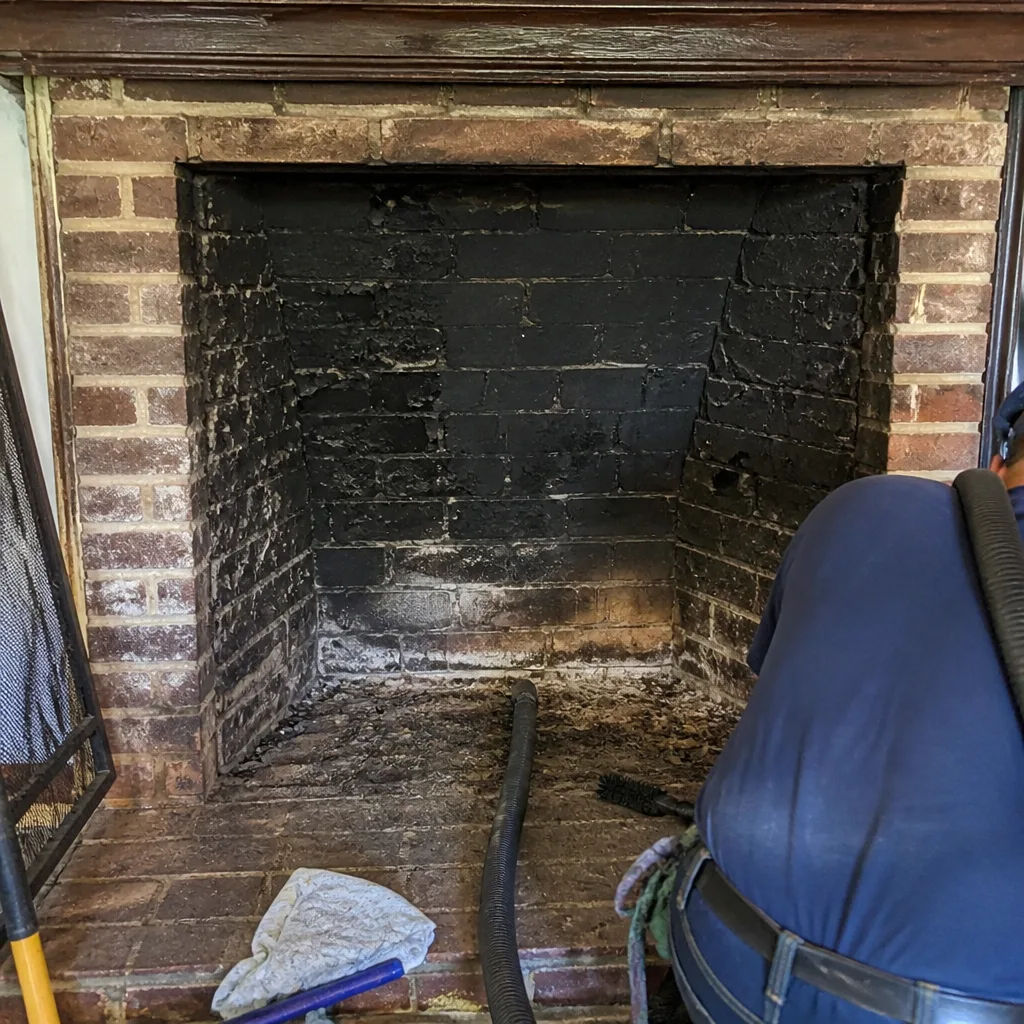
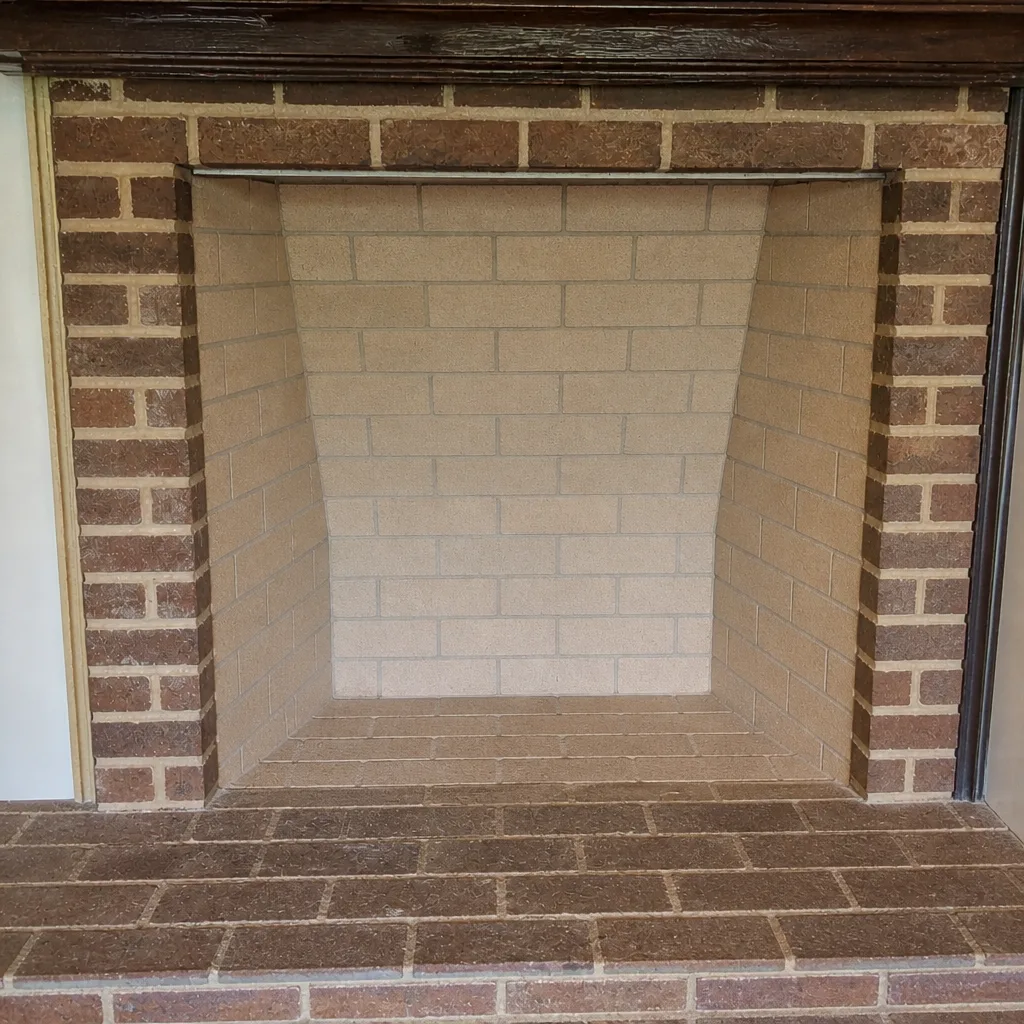
See the difference
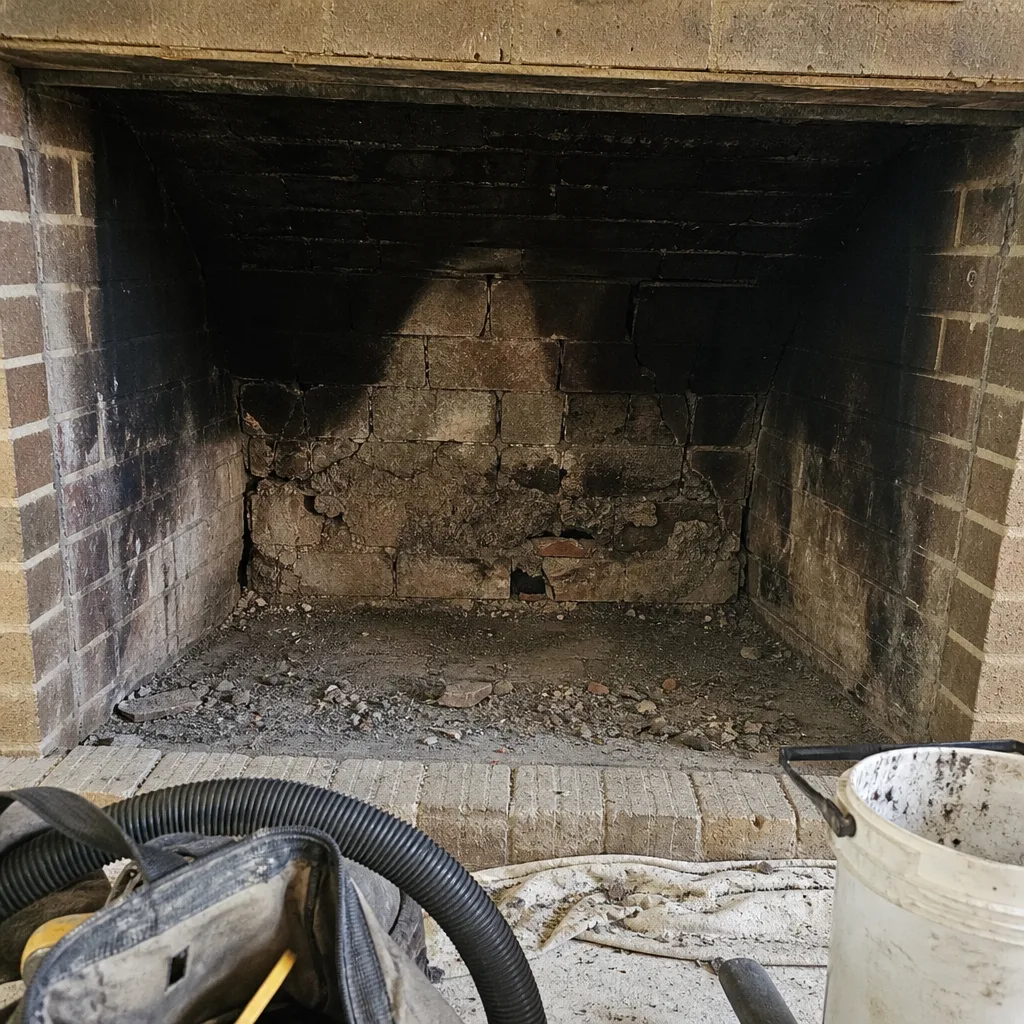 Before
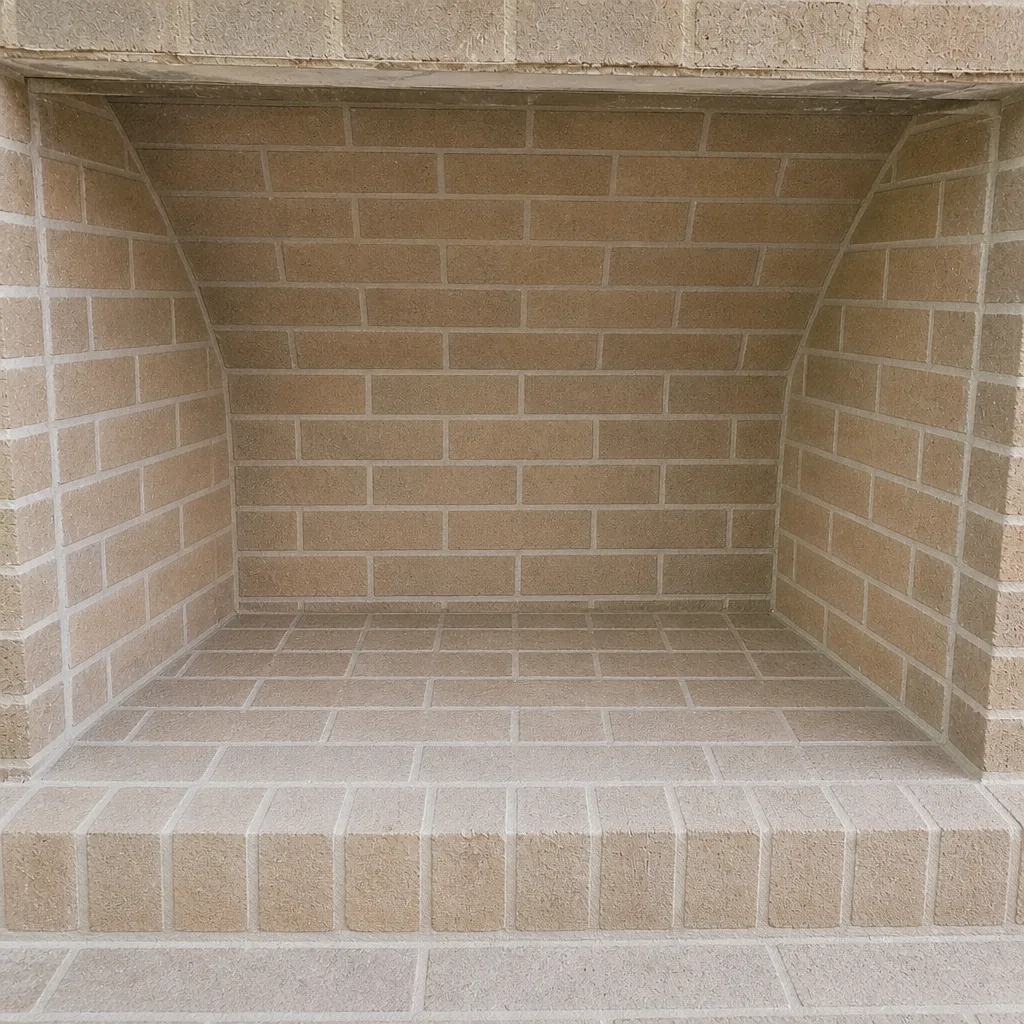 After
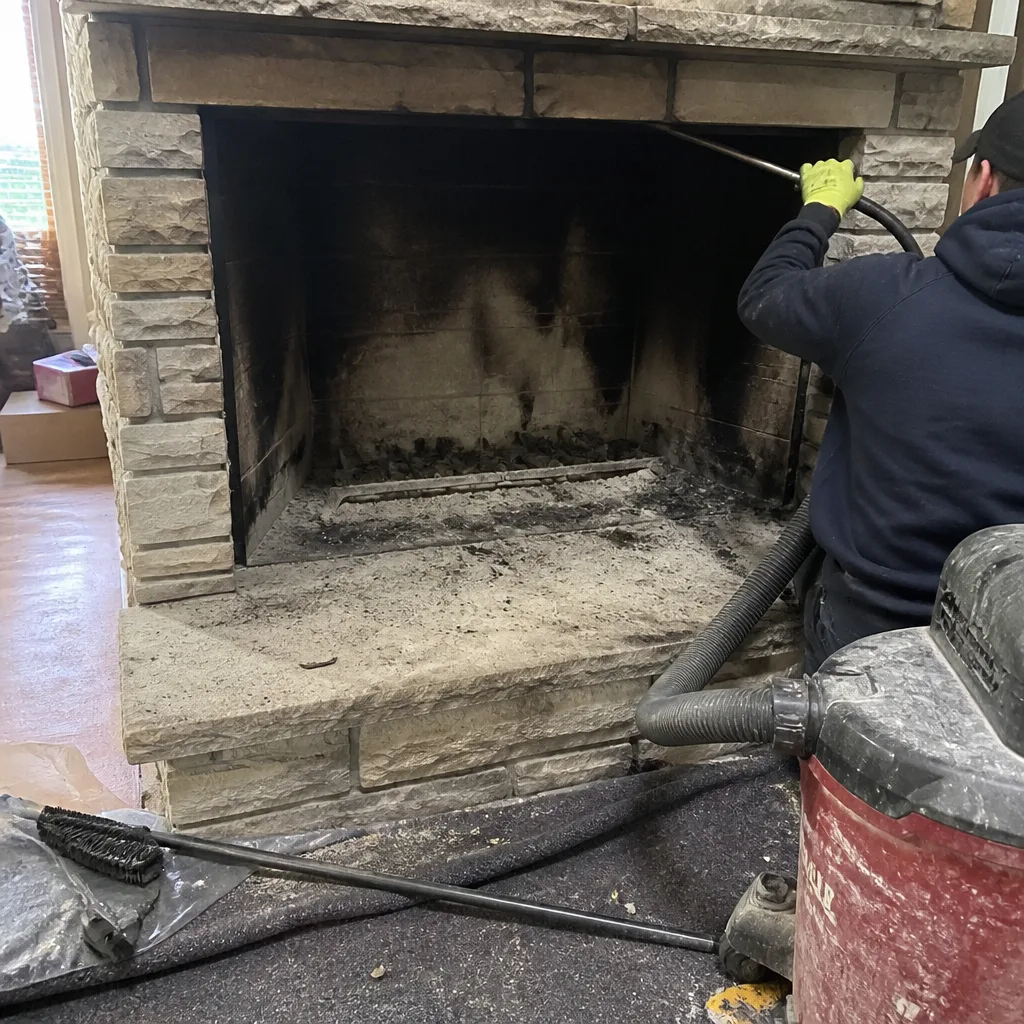 Before
 After
 Before
 After
When to Call a Professional
Call a professional if you smell smoke indoors when the fireplace is off, if smoke backs into the room on startup, if you haven’t had the chimney inspected since buying the home, or if you can see visible soot or glazed creosote in the flue. Any of those is a sign to get the system looked at before the next fire. The same goes for a damper that sticks, a cap that’s loose or missing, or a firebox with cracks in the brick. None of these are things to diagnose by eye from the hearth. Tallahassee Chimney Sweep offers free estimates in Tallahassee – call (855) 904-4110 to schedule a cleaning and inspection together.
Frequently Asked Questions
Chimney cleaning in Tallahassee is priced per job by a written estimate that we set after seeing the flue and how much buildup it has. The estimate is free, and because the price is per job, you know the figure before any work starts rather than being surprised afterward. Call (855) 904-4110 for an exact quote – estimates are free.
Once a year is the right schedule for most wood-burning fireplaces, timed before the burn season. A home that burns only a few times a season still needs the annual visit, because light, smoldering fires build creosote at least as fast as steady use. If your last cleaning is more than a year ago or you don’t know the history, book one now. Call (855) 904-4110 for an exact quote – estimates are free.
Skipping a cleaning lets creosote build up and lets moisture and pest damage go unseen through the off-season. The real risk is a chimney fire, carbon monoxide backing into the home from a blocked or damaged flue, or a liner that fails because a small problem was left to grow. A cleaning and inspection catch these before they become a hazard. Call (855) 904-4110 for an exact quote – estimates are free.
Yes. Light use is exactly when problems hide, because the fireplace sits idle long enough for a small liner crack or a loose cap to turn into a bigger repair. An inspection documented with photos is the only way to know the system’s condition, and it’s especially important if you recently bought the home. Call (855) 904-4110 for an exact quote – estimates are free.
A proper cleaning is contained: drop cloths and dust control go down before anything touches the flue, and the room is left as it was found. In our experience, most of the worry people have about mess comes from a cleaning that wasn’t done methodically. The setup is a routine part of the job. Call (855) 904-4110 for an exact quote – estimates are free.
A cleaning removes soot, creosote, and debris; an inspection assesses the whole system and produces a written record of its condition, with photos. You need both, and they’re best done together. The inspection is what tells you whether a repair is needed and why, and it’s the record you keep for insurance or a future sale. Call (855) 904-4110 for an exact quote – estimates are free.
The Bottom Line
Chimney care in Tallahassee looks different from the standard national advice because our winters are mild and our use patterns are light. Light, smoldering fires build the worst kind of creosote, humid summers quietly damage liners, and infrequent use is the reason problems go unnoticed for months. That makes the annual cleaning and inspection more important here, not less. Schedule a sweeping, a documented inspection, and any repairs from one specialist, and get them in before the first fire. Nothing gets recommended without camera evidence you can see for yourself. If you’ve been putting it off, start with a free estimate.
One call covers every part of your chimney system – sweeping, repair, and inspection – all in-house from a chimney-only specialist. Call (855) 904-4110 for a free estimate. We answer 24/7. Fast dispatch, 7am-7pm, Sunday through Friday.
Written by the team at Tallahassee Chimney Sweep.