
Last updated November 15, 2026
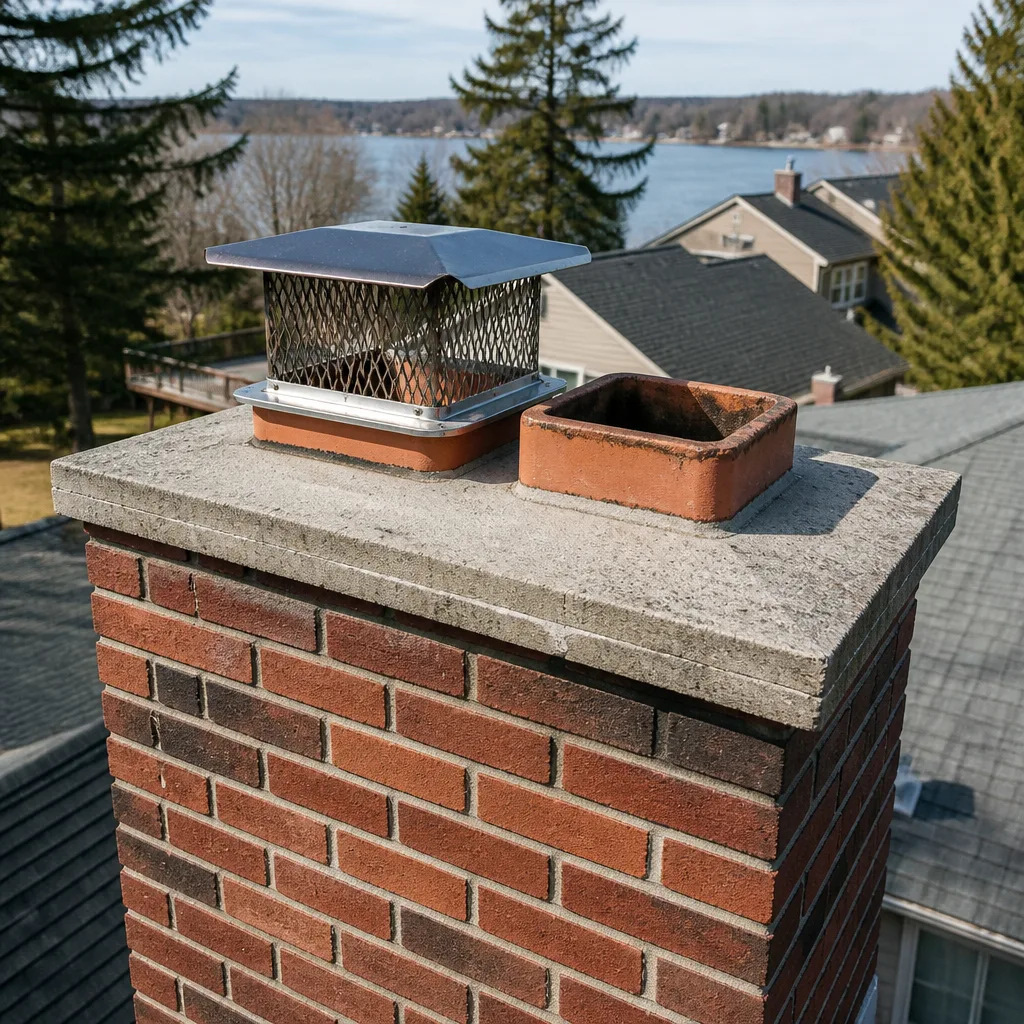 Sweep & inspection
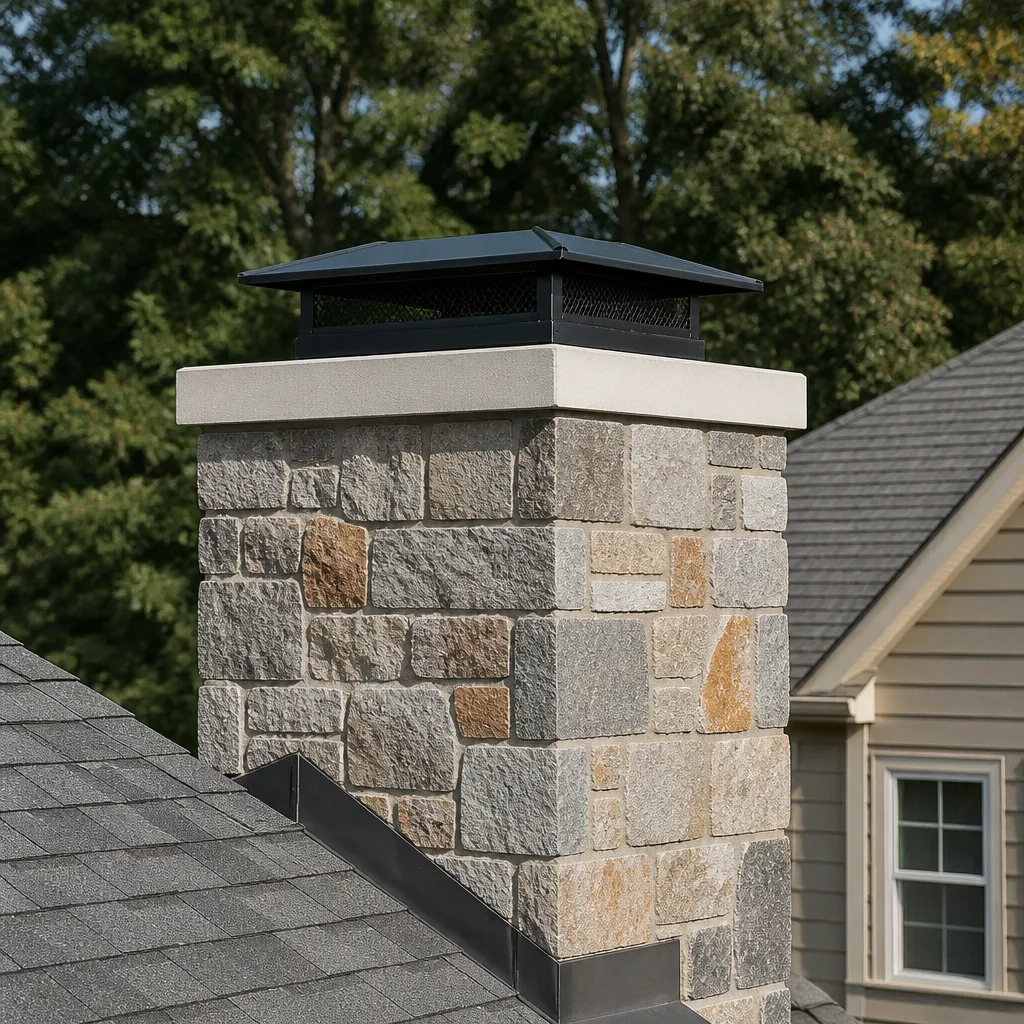 Caps & crowns
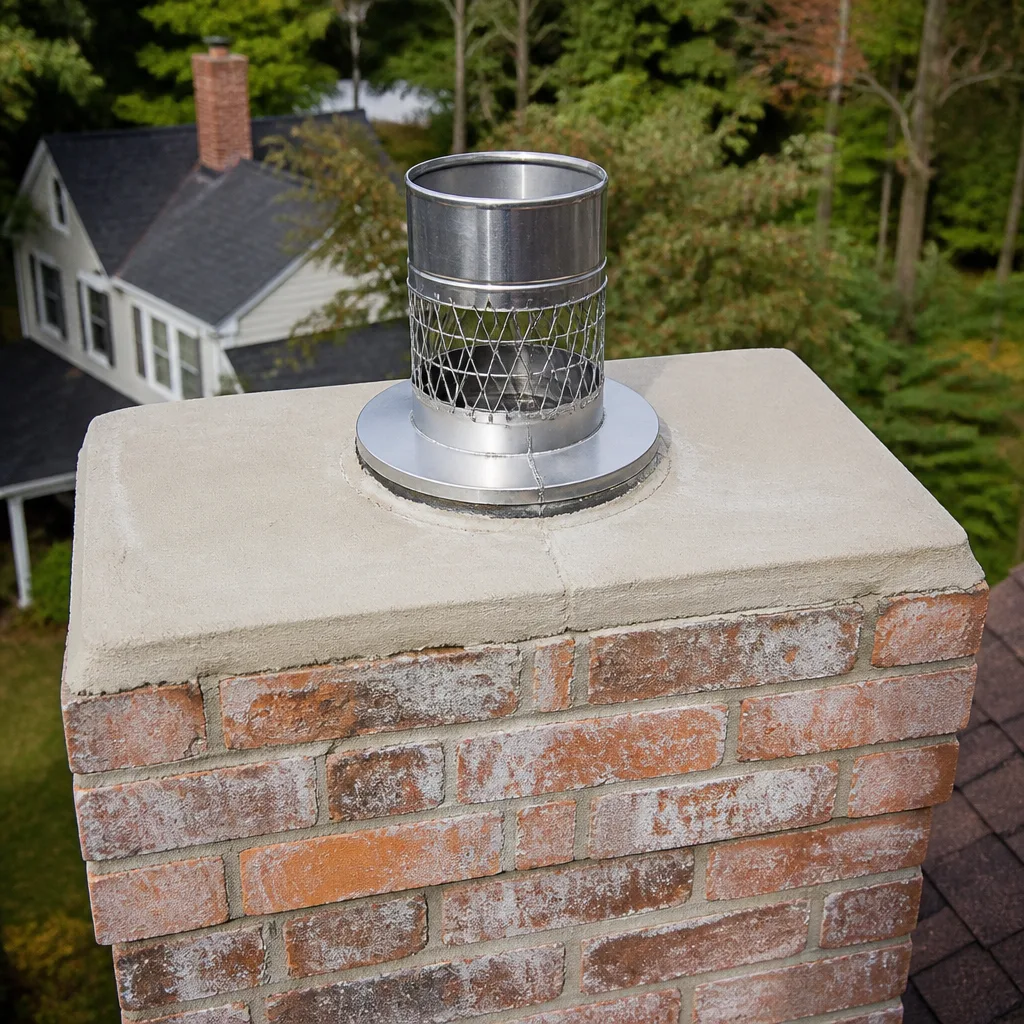 Flue relining
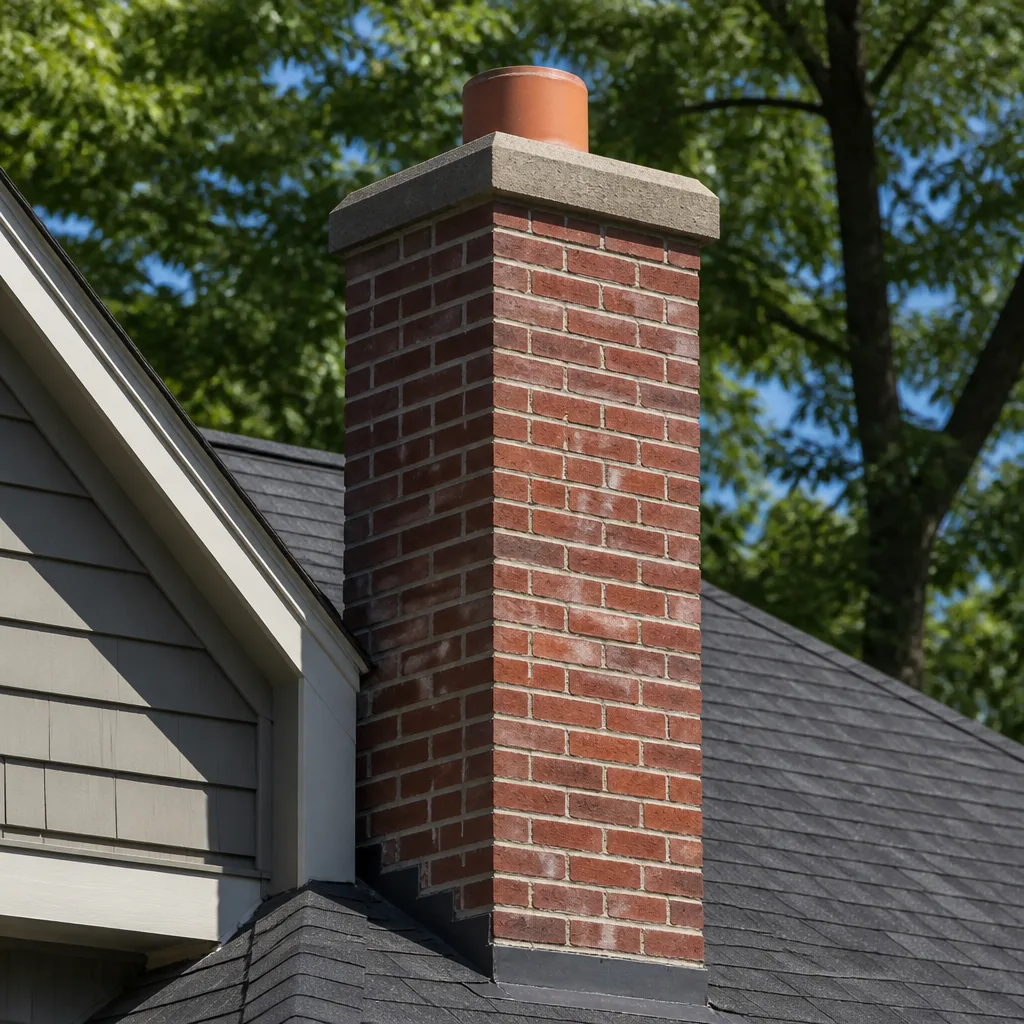 Masonry repair
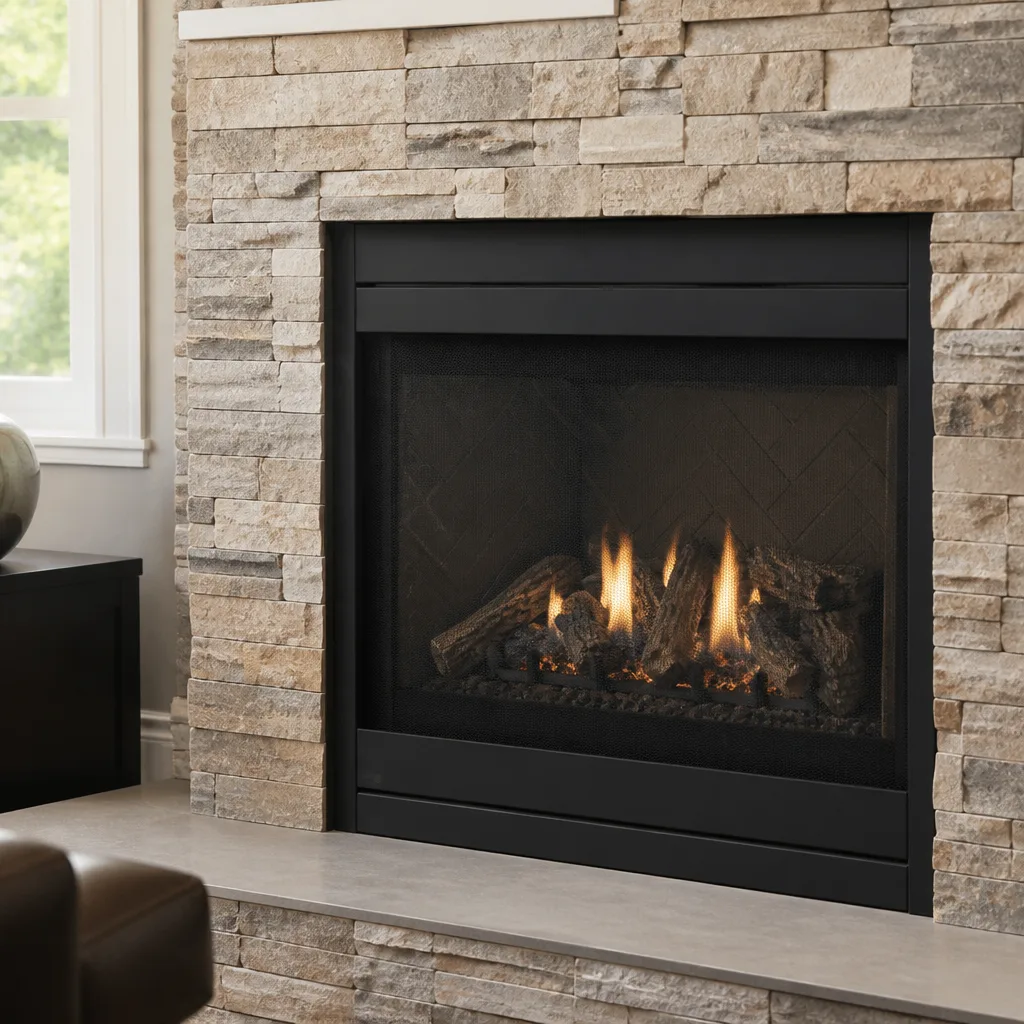 Gas fireplace service
Level 1 sweep and inspection to the NFPA 211 annual standard - flue, crown, cap, and flashing checked and photographed
Chimney sweep logs do not sweep chimneys. They loosen some creosote - which then falls where a brush and vacuum still have to collect it.
Choosing the Right Chimney Cleaning Brand: A Buyer’s Guide for Tallahassee
A hardware-store chimney cap and a professional-grade one can look identical the day both go on the flue. Give them a few years of Tallahassee sun and humidity and they won’t look identical anymore. One holds its coating and its fit. The other starts to pit, loosen, or rust through at the seams. The difference isn’t the price tag you see on the shelf. It’s the material specification underneath, and it’s the thing almost no homeowner asks about before hiring a chimney company. This guide is about closing that gap. We’ll show you why supply brand tiers exist, which product categories matter most in our climate, and exactly what to ask a contractor to find out whether “professional-grade materials” is a real standard or a line in a brochure.
Quick Answer
The right chimney cleaning company in Tallahassee is one that sweeps, repairs, and inspects in-house and names the professional-grade supply brands it installs. Ask which brands a contractor uses for liners, caps, mortar, and sealants. A vague answer or a shrug toward the local hardware store tells you more about their standards than any review will. Brand choice affects how long a repair lasts in Florida’s UV and humidity, and it affects who stands behind the work if something fails.
Styles & brands we work with
- Sweep & inspection
- Caps & crowns
- Flue relining
- Masonry repair
- Gas fireplace service
Table of Contents
- Why chimney supply brand tiers exist
- How to ask a contractor what brands they use
- Where brand quality matters most in Florida’s climate
- Brands, warranties, and who actually honors them
- What “professional-grade materials” should mean in verifiable terms
- Questions to ask before you book a sweep
- Common mistakes to avoid
- When to call a professional
Why Chimney Supply Brand Tiers Exist
Chimney products come in tiers for the same reason lumber and paint do. There’s a specification built for professional installation and long service life, and there’s a cheaper version built to hit a shelf price. The two can share a shape and a function while differing in alloy, coating thickness, mortar chemistry, and how tightly the tolerances are held. A stainless liner is a good example. The alloy grade, the wall thickness, and how the seams are formed all determine whether it survives decades of flue gases or starts to fail early. Retail-grade products aren’t necessarily unsafe on day one. They’re built to a different budget, and that budget usually shows up later.
For a homeowner, the tiers matter because a chimney is a system, not a single part. The cap, the liner, the crown, the mortar joints, and the sealants all interact. When one component is underspecified, it can drag the others down with it. A cap that rusts through lets water into the flue. Water in the flue degrades mortar and can corrode a liner. That chain reaction is why specialists care about where a product comes from, not just whether it fits. We source from a vetted portfolio of industry-recognized brands for exactly this reason – DuraFlex, HeatShield, Gelco, Olympia Chimney, Famco, and Copperfield are the kind of lines certified chimney professionals use nationwide.
You don’t need to memorize brand names to make a good decision. You need to understand that the tiers are real, and that a company’s willingness to talk about them openly is a signal. A contractor who can tell you which liner brand they install and why is a contractor who has thought about longevity. One who can’t, or who waves the question off, is telling you something too.
How to Ask a Contractor What Brands They Use
Most homeowners ask about price and availability. Very few ask about supply brands, which is strange when you consider that the materials are what actually go into your house. The good news is that this is an easy conversation to start, and the answers are revealing. You don’t need to be an expert to ask a good question. You just need to know what a strong answer sounds like versus a weak one.
Here’s a short script you can use when you call any chimney company in Tallahassee:
- Ask which brands they install for liners and caps. A specialist will name specific professional lines without hesitating. A generalist will often say “whatever’s available” or “we get it from the supplier.”
- Ask why they chose those brands. The answer should mention material, durability, or warranty support. “It’s what we’ve always used” is a weaker answer than “it’s rated for this application and it holds up in our climate.”
- Ask who handles a warranty claim if a product fails. The right answer involves the installer standing behind the work, not just handing you a manufacturer’s phone number.
- Ask whether they sweep, repair, and inspect in-house. If they outsource any of the three, you’re coordinating between contractors, and the supply standards may not match across them.
- Ask what they’d recommend for your specific flue, and why. A real specialist inspects before recommending. If they quote a liner over the phone without looking, that’s a red flag.
What the answers reveal is a supply chain. A company that buys from professional-grade distributors has made a decision about quality that echoes through every job. A company that runs to the hardware store for parts is telling you their margins matter more than their materials. Neither answer is a crime, but only one of them tends to produce repairs that last in Tallahassee’s heat and humidity.
We like to put it plainly: before we recommend a repair, we inspect. Before we inspect, we listen. That order matters, because a recommendation that starts with a product instead of a problem isn’t really a recommendation.
Where Brand Quality Matters Most in Florida’s Climate
Tallahassee’s climate is forgiving in winter and hard on materials year-round. Mild winters mean the chimney isn’t stressed by deep freeze, but long stretches of heat and high humidity do their own kind of work. UV exposure breaks down coatings. Moisture finds its way into seams and joints. Organic growth and corrosion both get a foothold in ways they don’t in drier climates. That’s why certain product categories deserve more scrutiny than others. In our experience, four of them account for the majority of premature failures we see.
- Caps. A cap does more than keep rain and animals out. It’s the first line of defense for the whole flue. A retail-grade cap with thin galvanized steel can pit and rust through faster in our humidity than a heavier, properly coated cap. Gelco and Famco components are the kind of professional-grade caps and venting we fit, because a cap that fails early lets water into everything below it.
- Liner systems. The liner is the flue’s structural and safety layer. A stainless flexible liner built to professional specification – like the DuraFlex systems we install – is engineered for the temperatures and corrosive conditions a wood-burning appliance produces. Cheaper liner stock with thinner walls or lower alloy grades can degrade faster, and replacing a failed liner means paying for the job twice.
- Mortar compounds. Repointing and crown repair only last as long as the mortar. Professional-grade mortar and ceramic compounds are formulated to bond, flex, and resist moisture in ways generic mixes don’t. This is where HeatShield’s ceramic resurfacing system earns its place for restoring compromised flue integrity, rather than patching over a problem.
- Sealants and flashing. The sealants around a flashing or a crown are small details with large consequences. A sealant that hardens and cracks in the sun lets water track into the chimney structure. Professional-grade sealants stay flexible through the temperature swings and UV load our region delivers.
You’ll notice a pattern. Every one of these categories is a place where water gets in or heat gets out. Those are the two failure modes that matter, and brand quality is the quiet variable that decides how long you go before either one becomes a problem. If you want a chimney system that performs through a Tallahassee summer, the specification underneath the surface is what carries it.
Brands, Warranties, and Who Actually Honors Them
A warranty is only as good as the chain of responsibility behind it. When a professional-grade product is installed by a specialist who works with that brand regularly, warranty support tends to be straightforward: the manufacturer stands behind the product, and the installer stands behind the installation. When something goes wrong, one call handles it. That’s the practical value of brand alignment, and it’s easy to overlook until you need it.
The weaker scenario is common enough to be worth describing. A generalist buys a part from a big-box store, installs it, and moves on. If it fails in a year, the homeowner is left holding a receipt and a manufacturer’s customer service line, with no installer invested in the outcome. The part may even be out of production by then. Resolving it becomes your project, not theirs. The supply chain, in other words, becomes your problem.
There are a few things you can check before you’re in that position:
- Ask who files a warranty claim. If the answer is “you do,” ask how they’ll support you if it comes to that.
- Ask whether the installed product is documented. A written record of the brand and model installed on your chimney is worth keeping with your home files.
- Ask how long the installation itself is covered. Product warranties and workmanship coverage are two different things, and you want both spelled out.
- Keep your inspection report. A formal inspection that documents system condition before and after a repair is the evidence you’d need if a warranty question ever comes up.
This is where in-house capability pays off. When a company sweeps, repairs, and inspects with its own team, the supply brands and the installation are controlled by the same people. There’s no finger-pointing between a sweep company and a repair subcontractor. For a homeowner, that means one call covers every part of your chimney system, and one party owns the result.
What “Professional-Grade Materials” Should Mean in Verifiable Terms
Every chimney company claims quality. The phrase “we use professional-grade materials” is on half the websites you’ll read today. The useful question is whether the claim can be checked. Professional-grade isn’t a marketing word when it’s backed by named brands, documented installs, and a willingness to show you the product before it goes in. It’s just noise when it isn’t.
Here’s how to tell the difference. A company that actually backs the claim tends to do these things without being asked:
- Names the brands. Not “premium materials,” but specific lines – the kind certified professionals use. Naming them is easy if they’re actually in the supply chain.
- Explains the fit. A real specialist can tell you why a given liner or cap is right for your flue, not just that it’s good.
- Shows you the product. If you ask to see the liner or cap before installation, a professional-grade supplier relationship makes that easy.
- Documents the work. Brand and model on the invoice, an inspection report with photos of the before and after, and a record you can keep.
- Stays inside the trade. A chimney-only specialist doesn’t dabble. The materials standard carries across every job because chimneys are the whole business.
We work exclusively with professional-grade brands like DuraFlex and HeatShield – not whatever’s available at a hardware store. That’s a claim you can test. Ask which brands we install for a relining job and you’ll get a specific answer, because the supply chain is one we’ve chosen deliberately. The same goes for caps and venting through Gelco and Famco, and for the liner and mortar systems that do the heavy lifting on repairs. If a company can’t give you the same specificity, that tells you where their materials come from.
This is also where a company’s focus shows. A general contractor who handles chimneys as a side service can’t maintain the same supply standards across every trade they touch. A chimney-only specialist can, because the entire operation is built around flue and firebox systems. When you’re evaluating a chimney sweep in Tallahassee, that focus is worth more than a long list of unrelated services.
Questions to Ask Before You Book a Sweep
A sweep is often the first real look inside your chimney system, so it’s the right moment to ask the questions that set up everything that follows. The answers help you decide whether the company is the right fit and give you a baseline for future work. Here’s a practical list you can bring to the call.
- What’s included in the sweep? A proper sweep includes a visual inspection and a report. Ask what gets documented.
- Do you inspect before recommending repairs? The answer should be yes. A recommendation without inspection is a guess.
- Which brands do you install? Specific professional lines, or “whatever’s available”?
- Do you handle sweeping, repair, and inspection in-house? If any part is outsourced, ask who does it.
- What will I get in writing? An inspection report and a written estimate are the minimum.
- How do you handle a warranty issue? Who files, who follows up, who stands behind the work?
- What would make you tell me to wait? A specialist who can say “this can safely wait” is a specialist you can trust with the rest.
Those last two questions tend to separate companies quickly. A contractor who can name a situation where no work is needed is telling you they’ll give you an honest read. A contractor who finds something to fix on every visit is telling you something else. In our experience, the honest answer is the one homeowners remember when they need a real repair down the road.
For anyone who’s recently bought a home or hasn’t had the chimney looked at in several years, a formal inspection is the natural starting point. It documents system condition before anything is recommended, and it’s useful for insurance, real estate transactions, and your own maintenance records. If you want to understand how a full inspection fits with routine service, our guide to chimney repair walks through what gets checked and why.
Common Mistakes to Avoid
- Hiring on price alone. The cheapest sweep in Tallahassee is often the one that skips the inspection and recommends work without evidence. The savings disappear the first time a repair has to be redone.
- Not asking about supply brands. If you never ask, you’ll never know whether the liner or cap going in is professional-grade or retail-grade. It’s one question, and it changes the decision.
- Accepting a repair quote without an inspection. Any recommendation that arrives before anyone has looked inside the flue should be treated with suspicion. Ask for the evidence, and ask to see it.
- Letting a generalist handle liner work. Liners and flue resurfacing are specialty work. A handyman with a ladder isn’t the same as a chimney specialist with the right materials and installation methods.
- Ignoring the cap because it looks fine. Caps fail from the inside out in this climate. A quick look from the ground won’t catch the corrosion starting at the seams.
- Skipping the documentation. If you don’t keep the inspection report and the record of what was installed, you have nothing to show an insurer or a buyer later. Keep the paperwork.
- Assuming a warranty is automatic. A warranty depends on the product, the installer, and the paper trail. Ask who honors it before the work begins.
When to Call a Professional
Some chimney issues announce themselves and some don’t. Call a professional if you’ve never had the chimney inspected, if you’ve recently bought the home and don’t have a service record, or if it’s been several years since the last sweep. Call if you notice smoke backing into the room, a persistent odor, visible cracking or spalling on the exterior, or water staining inside the firebox. Call before the burning season starts if you use the fireplace regularly, so any needed repair can happen on your schedule rather than in the middle of winter. And call if you’re selling the home and need a documented inspection for the transaction. A trained technician can assess the system, show you what the camera sees, and tell you honestly whether work can wait. Tallahassee Chimney Sweep offers free estimates in Tallahassee – call (855) 904-4110.
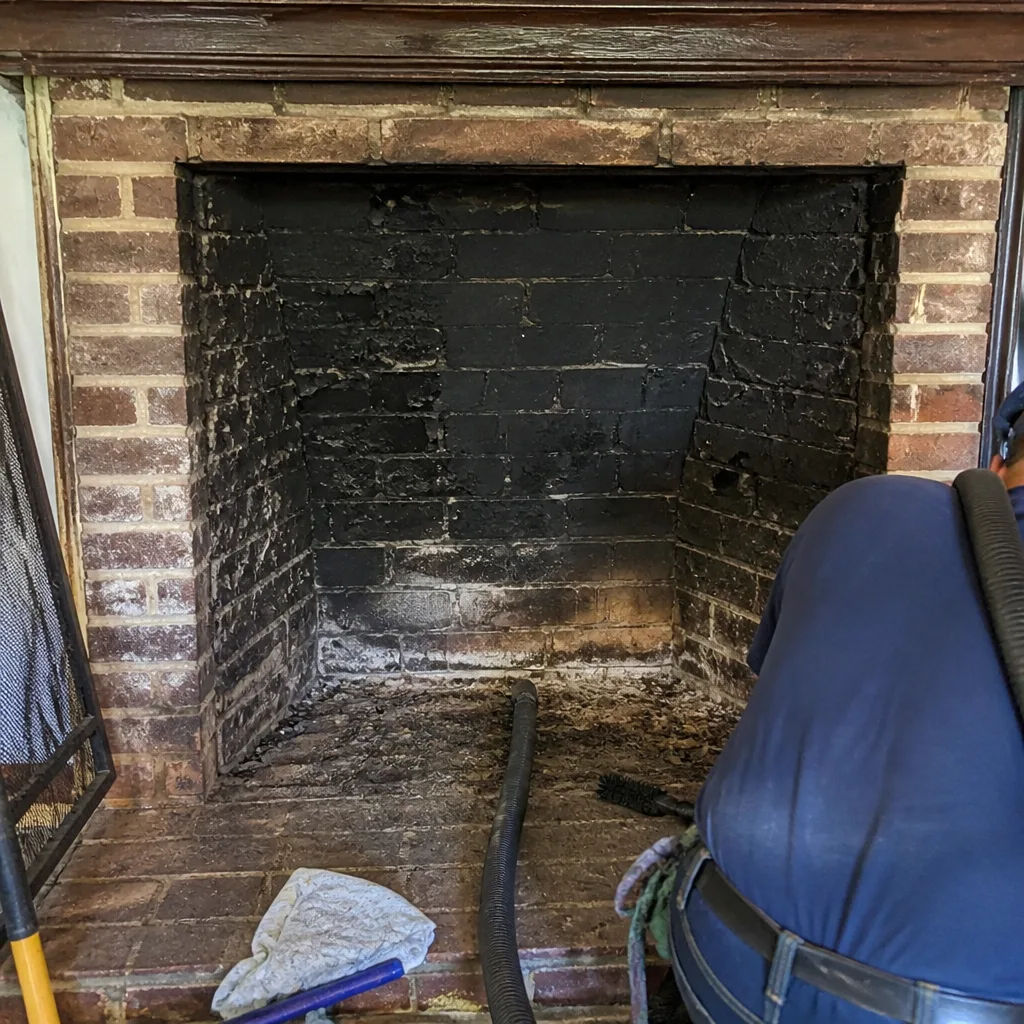
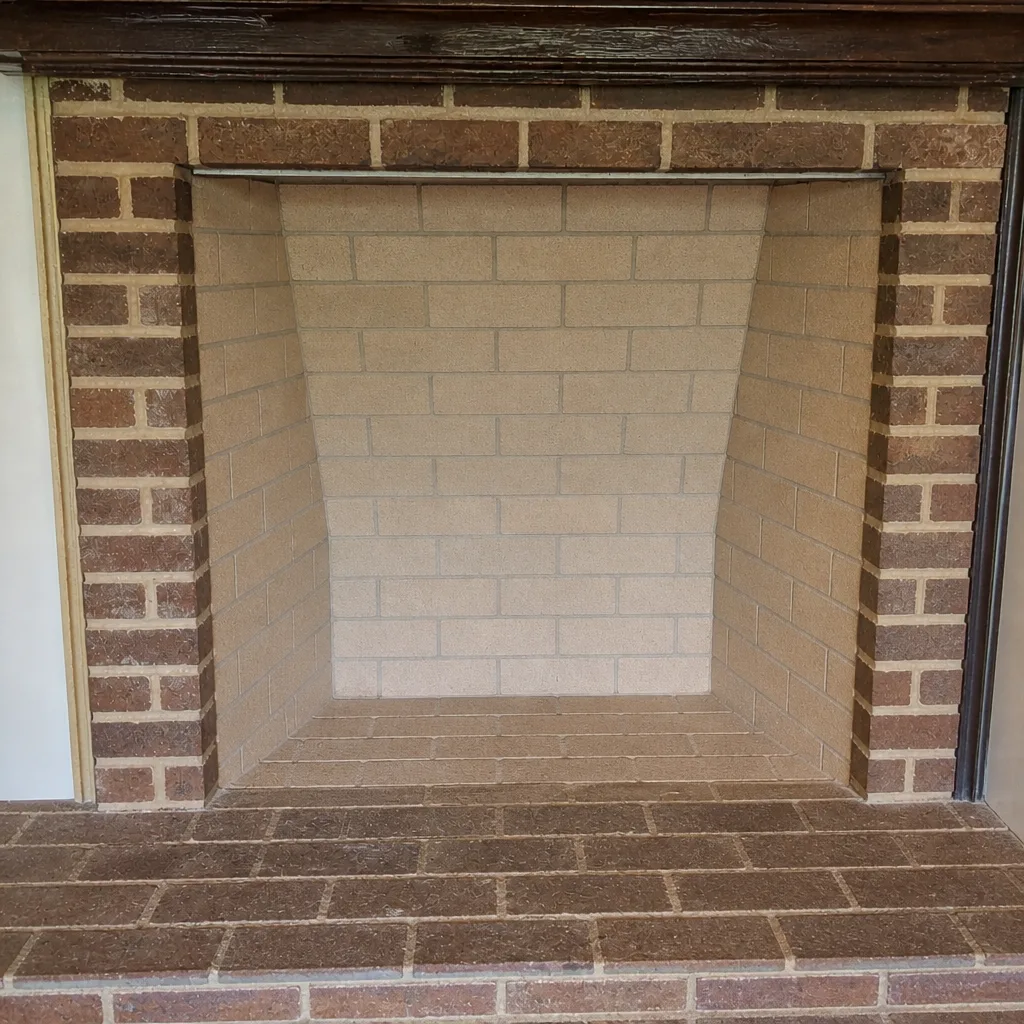
See the difference
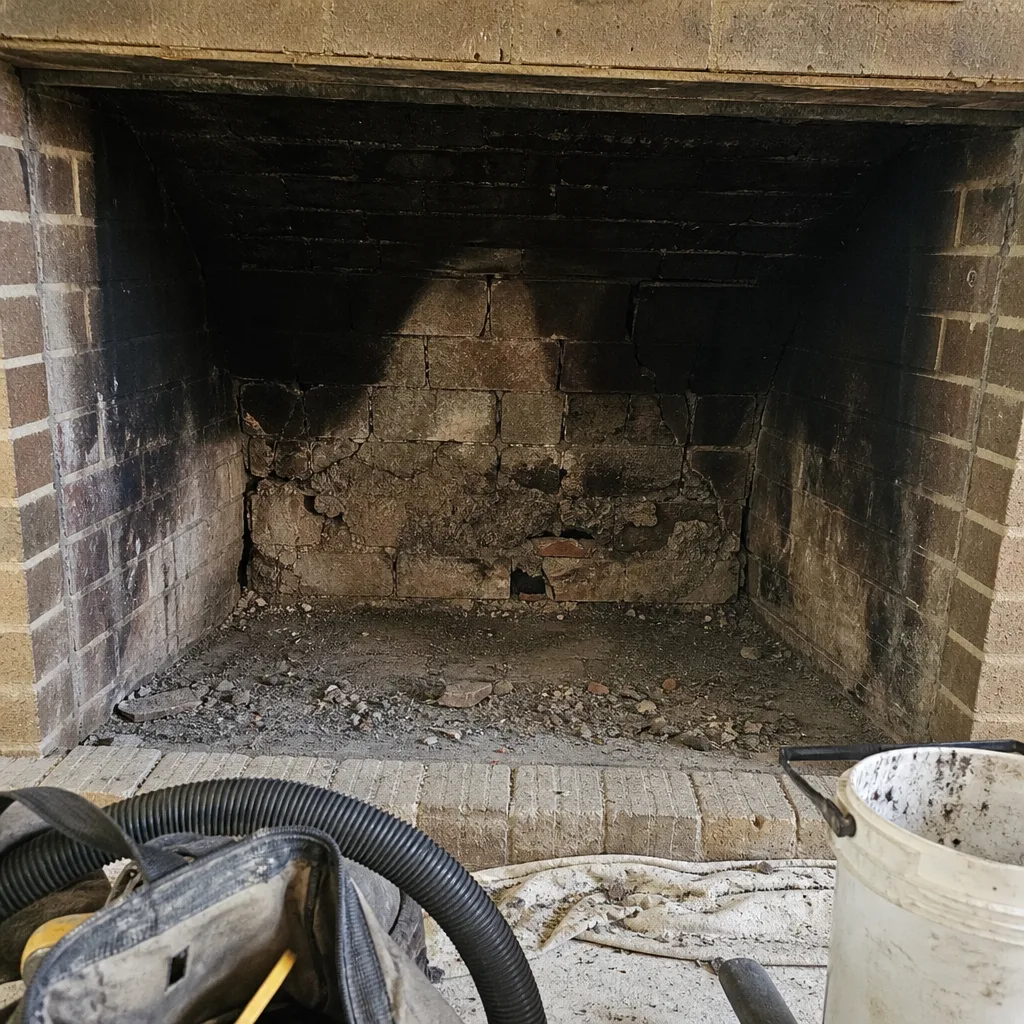 Before
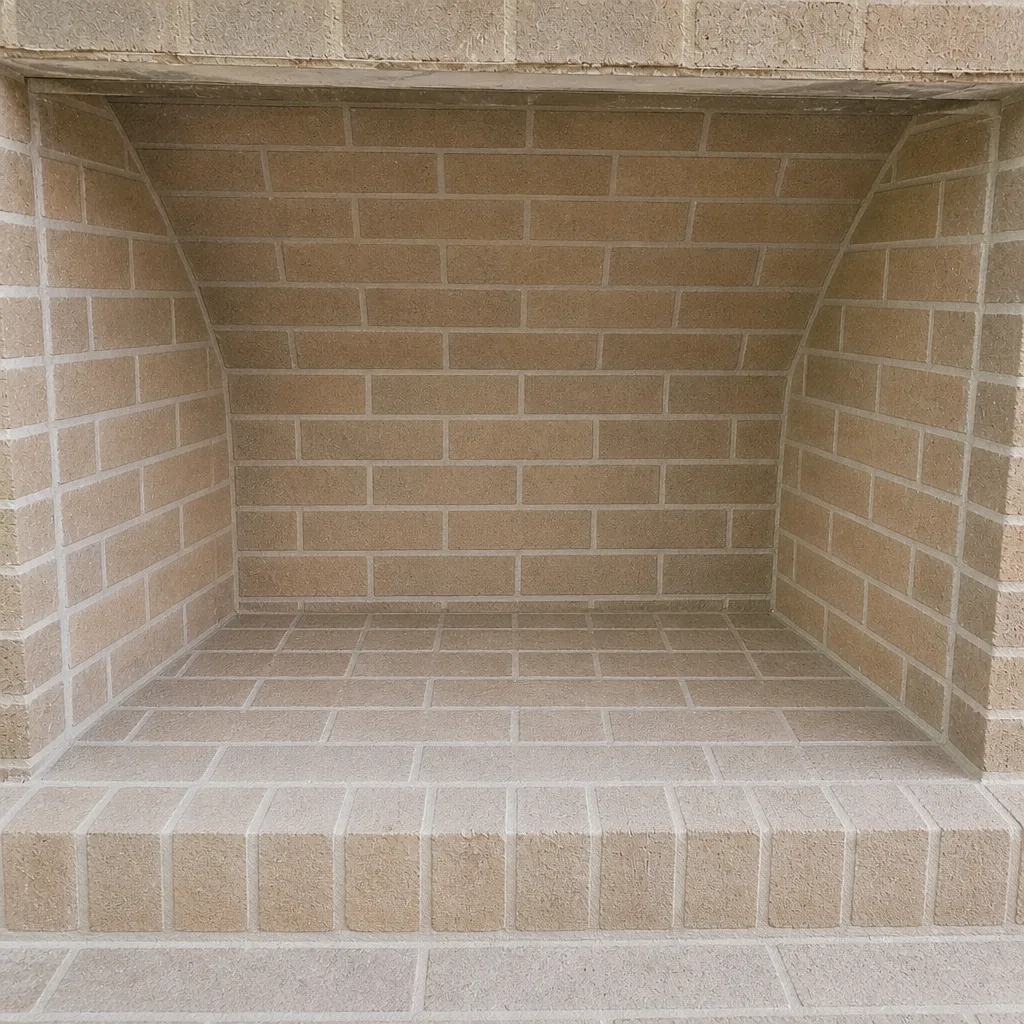 After
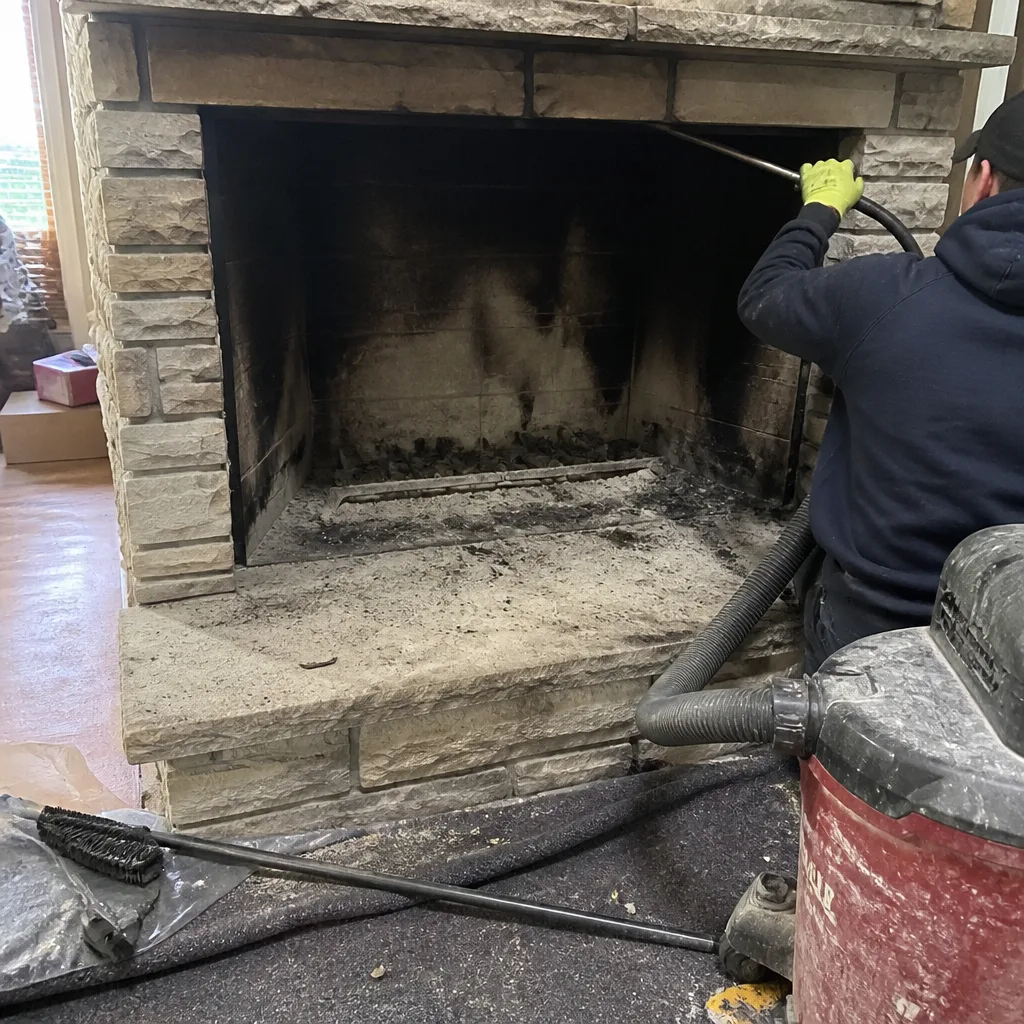 Before
 After
 Before
 After
Frequently Asked Questions
Yes. Professional-grade brands use higher-specification materials – better alloys, thicker coatings, formulated mortar and sealants – that hold up longer in Tallahassee’s heat and humidity. Retail-grade parts can look identical at installation and fail years sooner. The difference shows up in the lifespan of the repair, not the price at the register.
Ask directly. A specialist will name specific professional lines without hesitation and explain why they chose them. A generalist will often say “whatever’s available” or defer to the supplier. If the answer is vague, ask to see the product before installation. Call (855) 904-4110 for an exact quote – estimates are free.
Caps, liner systems, mortar compounds, and sealants are the four where brand quality has the most direct impact here. UV exposure and humidity break down coatings and find seams in ways drier climates don’t. A properly specified cap or liner resists that longer, and a professional-grade mortar or sealant keeps water out where a generic mix won’t.
It can, because a specialist who installs a brand regularly has a working relationship with that supply chain and is invested in the outcome. Ask who files a warranty claim before the work begins. If the answer is “you do,” ask how the installer will support you. In-house sweeping, repair, and inspection keeps one party accountable.
You can, but a retail-grade cap often pits and rusts through faster in this climate, and a failed cap lets water into the flue and the masonry below it. A professional-grade cap fitted properly is a small up-front difference that prevents a larger repair later. Ask a specialist to check the fit and the material before you install one yourself.
Ask what’s included in the sweep, whether they inspect before recommending repairs, which brands they install, whether sweeping, repair, and inspection are in-house, and what documentation you’ll receive. Ask who handles warranty issues. Then ask what would make them tell you to wait – a specialist who can say “this can safely wait” is one you can trust with the rest. Call (855) 904-4110. We answer 24/7. Fast dispatch from 7am to 7pm, Sunday through Friday.
The Bottom Line
Most homeowners never think about supply brands, and that’s exactly why they matter. The brands a chimney company installs tell you whether their materials are built for the long run in Tallahassee’s climate or for the shelf price. Ask which brands they use. Ask why. Ask who honors the warranty. A sweep, repair, and inspection specialist who answers those questions with specifics is one you can trust with the work. One call covers every part of your chimney system, and the standards carry through from the first inspection to the final install. Contact Tallahassee Chimney Sweep to book a sweep or inspection – call (855) 904-4110 for a free estimate. We answer 24/7. Fast dispatch from 7am to 7pm, Sunday through Friday.
For a closer look at our full service area across Tallahassee, and to see how chimney sweeping, repair, and inspection fit together, start at Tallahassee Chimney Sweep.
Written by the team at Tallahassee Chimney Sweep.